

 English
 русский
 Español
 Deutsch


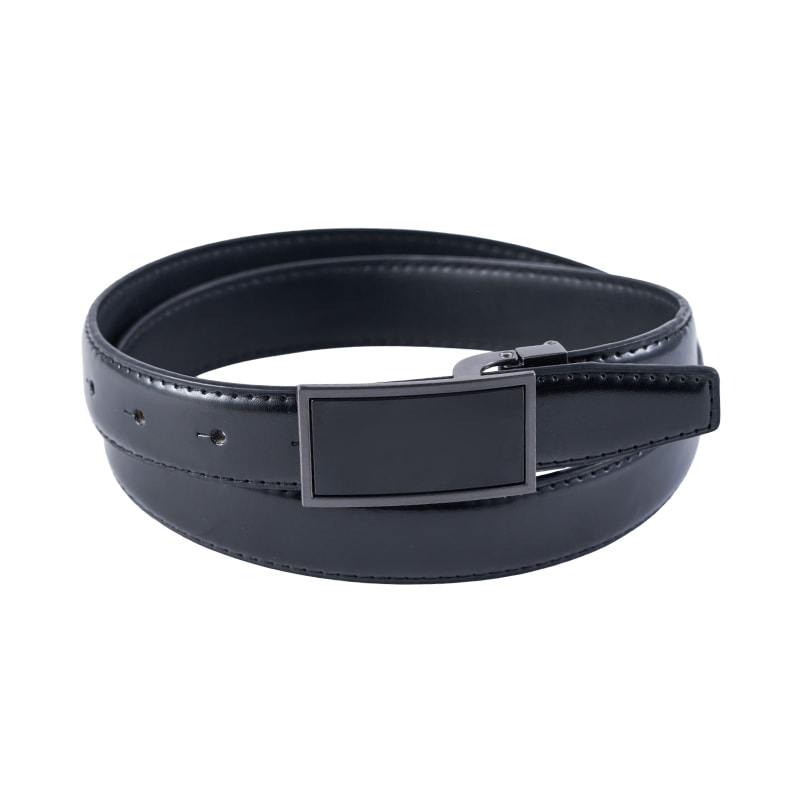
An embossed crocodile pattern creates a distinctive raised surface that catches light and gives the belt visual depth. The depth of the embossing, the type of surface coating and the base material all influence how the belt looks over time and how it should be cleaned and stored. A black finish pairs readily with formal and everyday clothing, provided the surface remains free of scratches, cracks and discoloration. Different base materials respond differently to moisture, oils and cleaning agents, so the care method must match the actual construction. A Crocodile Pattern Belt with a clear embossed texture therefore requires attention to both the raised pattern and the protective finish that covers it.
Recognizing How the Embossed Surface Is Formed and Protected
The crocodile pattern is pressed into the surface under controlled pressure and heat so that the scales remain distinct. Deeper embossing produces stronger shadow lines; shallower embossing yields a subtler effect. A surface coating or finish is then applied to seal the material, reduce water absorption and help the color remain even. The combination of embossing depth and finish determines both the initial appearance and the later maintenance needs. Black embossed leather or leather-like material gains its formal character from the uniform color and the way light plays across the raised scales; that same surface will show dust, oil marks and abrasion more readily if left uncleaned.
Cleaning the Embossed Surface Without Flattening or Scratching It
Loose dust is removed with a soft, dry cloth wiped lightly across the surface. The cloth follows the direction of the scales so that particles are lifted rather than pushed deeper into the recesses. For light soiling a cleaner confirmed to be compatible with the base material is applied sparingly, again with a soft cloth, and the excess is removed at once. The recessed areas of the pattern receive particular attention because dirt tends to collect there and become harder to remove if left for long periods. Strong solvents, stiff brushes and any product not verified for the material are avoided; they can dissolve the finish or abrade the raised edges of the embossing. After cleaning the belt is left to air-dry away from direct heat and sunlight so that the finish is not stressed while still soft.
Protecting the Black Finish Against Common Sources of Damage
The surface coating slows the entry of moisture and helps the black color stay uniform. Prolonged contact with water, sweat, oils or household chemicals can still soften or stain the finish, so the belt is kept dry whenever possible and wiped promptly if it becomes damp. Any conditioning or protective product is tested on a small, inconspicuous area first to confirm that it does not alter the color or leave a sticky residue. Black surfaces can pick up dye from other dark materials under continuous friction; separating the belt from such items during storage reduces the risk of color transfer.
Reducing the Formation of Cracks, Creases and Localized Wear
Repeated sharp bending, especially near the buckle holes and the buckle attachment, concentrates stress and can open small cracks in the finish. Selecting a length that fits the waist without constant over-tightening keeps tension evenly distributed. After use the belt is relaxed rather than left under continuous stretch. Heavy objects placed on top of the belt or prolonged compression in a crowded drawer can flatten the embossing and crease the material. Periodic inspection of the edges, stitching, buckle connection and the embossed surface itself reveals early signs of wear so that further damage can be limited.
Storing the Belt So That Shape and Texture Remain Intact
A dry, ventilated place away from direct sunlight prevents the finish from drying out or fading. The belt may be laid flat or hung loosely so that tight folds do not form. High heat, persistent humidity or rapid temperature swings are avoided because they can cause the material to expand and contract unevenly. Sharp metal objects or rough surfaces that could scratch the embossing are kept separate. Belts that will not be worn for an extended period are checked occasionally to ensure the storage conditions remain suitable.
How Material Choice and Embossing Quality Influence Care Requirements
Base Material and Its Response to Cleaning and Flexing
Genuine leather, coated leather and synthetic materials differ in flexibility, abrasion resistance and the cleaners they tolerate. A material that remains soft under repeated flexing is less likely to crack, yet it may still need protection against oils and moisture. The care routine is therefore matched to the specific substrate rather than applied uniformly.
Clarity and Consistency of the Embossed Pattern
Uniform embossing with well-defined scales holds its visual interest longer and is easier to clean because dirt sits in predictable recesses. Uneven or shallow embossing can wear unevenly and may show surface abrasion more quickly.
Surface Finish and Its Effect on Appearance and Maintenance
A well-applied finish resists light moisture and helps the black color remain even. The same finish dictates which cleaners and conditioners can be used safely; incompatible products may dull or streak it.
Edge Treatment and Its Contribution to Overall Durability
Neatly finished edges resist fraying and moisture ingress. Edges that are left rough or poorly sealed can open and collect dirt, shortening the useful life of the belt.
Stitching and Buckle Attachment as Structural Anchors
Secure stitching and a firmly attached buckle keep the belt functional even as the surface ages. Loose threads or a shifting buckle concentrate stress on adjacent material and accelerate local wear.
Common Care Errors That Shorten Surface Life
Cleaners formulated for unrelated materials can strip the finish or leave permanent marks. Aggressive scrubbing flattens the embossing and abrades the raised scales. Leaving the belt in direct sun or near heat sources dries the finish and encourages cracking. Storing a damp belt traps moisture and can promote staining or mold. Applying untested oils or waxes may darken or soften the surface in unintended ways. Neglecting regular inspection of edges, stitching and the buckle area allows small problems to become structural failures.
Selecting a Black Embossed Belt for Both Appearance and Daily Wear
A black crocodile-pattern surface pairs with formal and casual clothing and remains versatile across seasons. Material type, embossing depth, belt width, length and buckle design are all confirmed against the intended use. Surface finish and structural details influence both the initial look and the amount of care required later. Available color, size and buckle options, together with any branding or packaging requirements, are reviewed when the belt is intended for retail or bulk supply. Clear material and process specifications allow the finished product to meet both visual and durability expectations.
Overview of Care Practices and Their Effect on Surface Longevity
| Care Aspect | Recommended Practice | Risk if Neglected |
|---|---|---|
| Daily dust removal | Soft dry cloth following the embossed pattern | Dirt embeds in recesses and becomes harder to remove |
| Spot cleaning | Compatible cleaner applied sparingly and wiped off | Stains set or finish is damaged by wrong products |
| Moisture and chemical contact | Keep dry; wipe promptly; avoid untested substances | Softening, staining or loss of color uniformity |
| Flexing and tension | Correct length; avoid sharp bends and constant over-tightening | Cracks near holes and buckle attachment |
| Storage | Dry, ventilated, away from sun and sharp objects | Fading, permanent creases or surface abrasion |
| Periodic inspection | Check edges, stitching, buckle and embossed surface | Small defects grow into irreversible damage |
Preserving the Embossed Surface Through Consistent and Suitable Care
Regular light cleaning, protection from moisture and chemicals, avoidance of excessive stress, proper storage and attention to material-specific requirements keep the embossed texture and black finish intact. Material choice, embossing quality and surface treatment determine both the initial appearance and the care methods that can be used safely. Yiwu Yonger Belt Co., Ltd. produces embossed crocodile-pattern belts for everyday and formal use. Review of available materials, embossing styles, finish options and size ranges against the intended wear conditions and care preferences allows selection of a belt whose surface can be maintained in good condition over repeated use.