Men's Belts: Leather, PU, Pin Buckle and Automatic Belt Solutions for Modern Apparel Brands
A men's belt does two jobs at once—holding trousers in place and rounding out the rest of the outfit. Within apparel manufacturing and fashion merchandising, though, it's rarely treated as just a basic accessory. It ends up carrying a fair bit of weight as a style element, one that says something about brand positioning, material quality, craftsmanship, and how it actually performs once someone's wearing it day after day.
A belt worth making well needs a stable fit, enough flexibility to stay comfortable, edges finished cleanly, and durability that lasts. Business wear calls for something clean and formal-looking. Casual wear leaves more room for texture, color, and general styling flexibility. And for uniform programs, gift collections, or private-label fashion lines specifically, consistent sizing and reliable materials matter even more than usual, simply because production quality has to stay stable across large runs.
At Yonger, men's belts get produced in standard widths ranging from 3.0 cm to 4.0 cm, with 3.5 cm turning up most often for everyday formal and casual use alike. The belt body itself can be built from genuine top-grain leather, split cowhide, or high-density PU—which one depends largely on the target market, the price point aimed for, and whatever style the project calls for.
Key Features of Men's Belts
A men's belt that's done right needs appearance, structure, and wear resistance all working together. No single component decides the quality on its own—it comes down to how the leather or PU body, buckle, stitching, holes, edges, and finishing process all mesh with each other.
1. Practical Width and Comfortable Fit 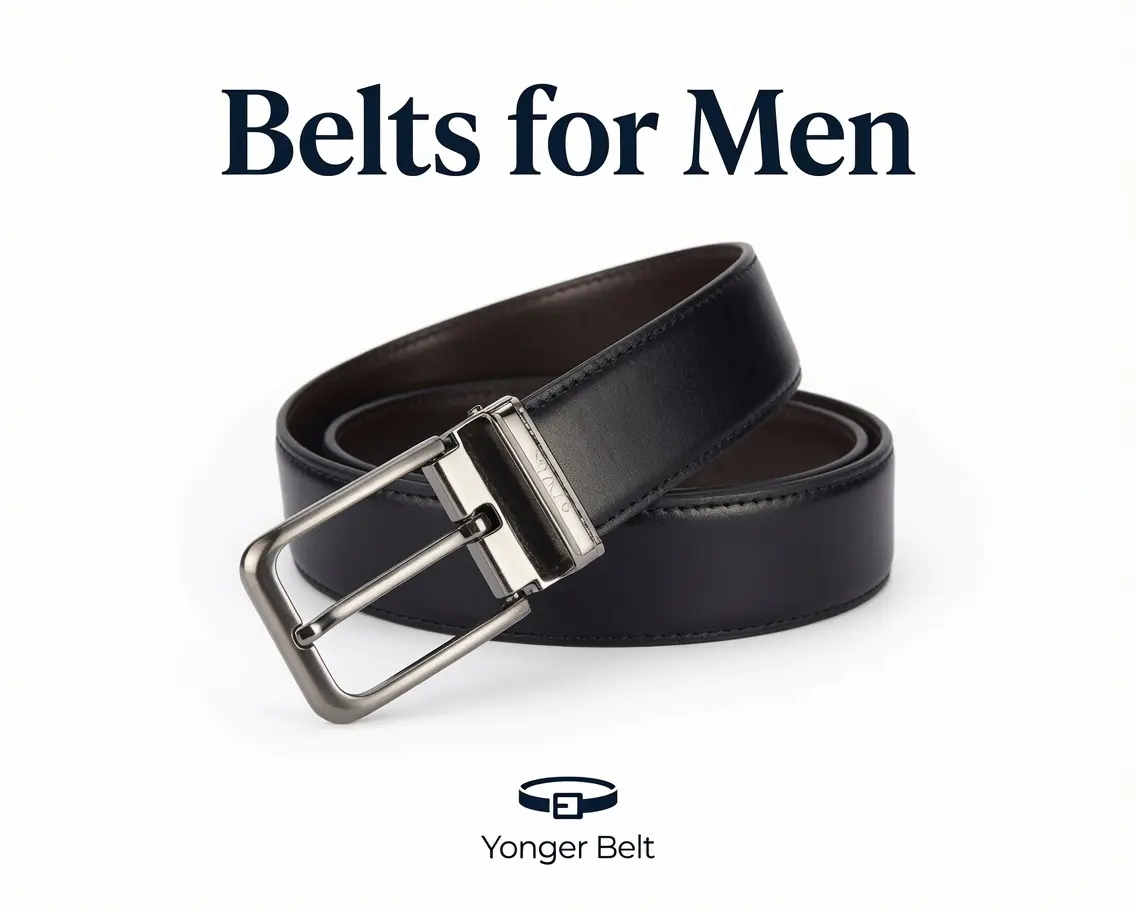
Most men's belts land somewhere between 3.0 cm and 4.0 cm in width, which fits comfortably through trouser loops on office pants, chinos, jeans, and casual trousers alike.
- 3.0 cm tends to show up on formal dress trousers
- 3.5 cm ends up the most versatile, suited to daily wear generally
- 4.0 cm gets chosen more often for jeans, casual trousers, and heavier styling
Thickness usually stays controlled between 3.0 mm and 3.8 mm, giving the belt enough body without tipping into stiffness.
2. Reliable Belt Body Structure
Belt materials need solid tensile strength and shape stability if they're going to hold up over time. Pre-stretching the belt body ahead of production helps cut down on later deformation once it's actually being worn—which matters, since a poorly made belt can stretch out, curl, crack, or lose its shape faster than expected.
A belt body that's stable should feel firm in hand without crossing into brittle. It needs to bend naturally around the waist and bounce back afterward.
3. Durable Buckle Performance
Alloy pin buckles and automatic buckles cover most of what shows up on men's belts.
- Pin buckles stay classic—simple, reliable, no surprises
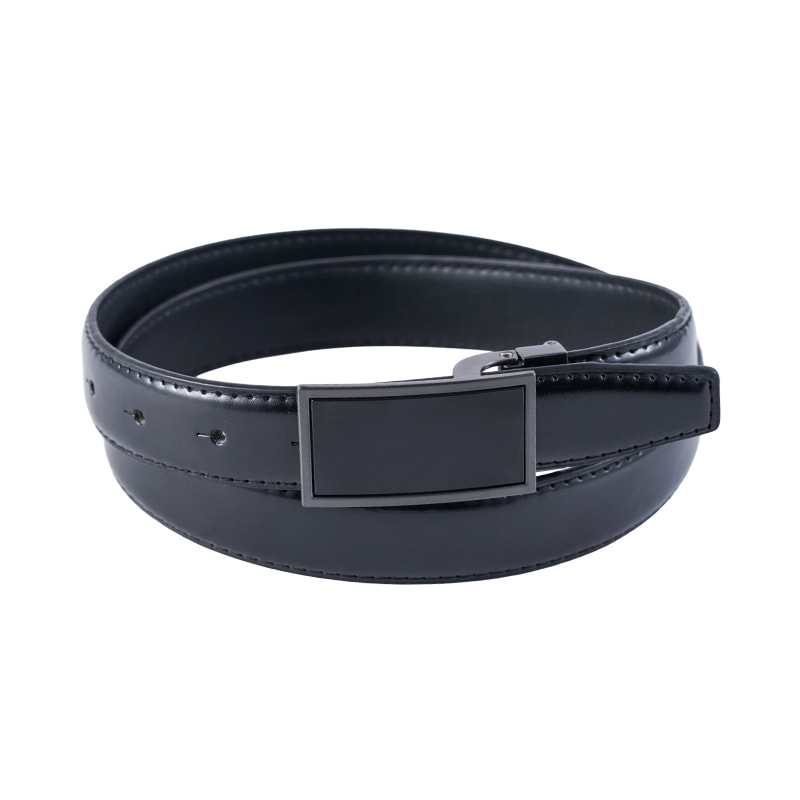
- Automatic buckles rely on an internal ratchet mechanism, allowing fine adjustment without needing traditional holes at all
On automatic belts specifically, the internal spring and ratchet system needs repeated testing to confirm it locks smoothly and doesn't slip during actual wear. It's a small detail, but it shapes user satisfaction more than people expect.
4. Clean Hole and Edge Finishing
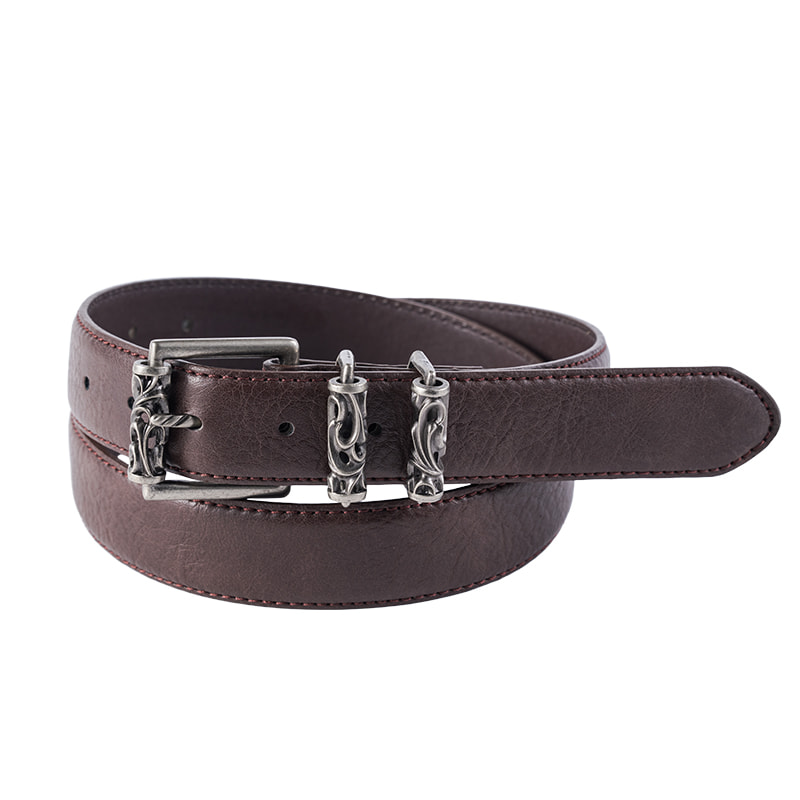
Pin buckle belts typically get oval-punched holes, matching the buckle pin more comfortably than round holes would. Spacing around 2.5 cm tends to give a balanced adjustment range.
Edge painting protects the belt body from moisture, exposed fiber, and fraying over time—and a smooth edge just looks better on the finished belt besides.
Common Materials Used in Men's Belt Manufacturing
Material choice ends up shaping product level, hand feel, pricing, and how a brand comes across overall. Knowing the differences between these materials makes it a lot easier for apparel companies to pick the right belt for whatever collection they're building.
Genuine Top-Grain Leather
Top-grain leather earns its place through natural grain, strength, and a touch that just feels premium. It shows up most often on formal belts, business belts, and higher-positioned fashion accessories.
What defines it:
- A genuinely natural leather texture
- Good flexibility
- Aging that actually improves the look over time
- A stronger sense of perceived value
- Compatibility with embossing and finer finishing work
Top-grain leather belts tend to land in professional wardrobes, gift sets, executive accessories, and premium apparel ranges more than anywhere else.
Split Cowhide
Split cowhide comes from the lower layer of cowhide, and once it's finished with coating, embossing, or other surface treatment, it ends up with a consistent, even appearance.
Where it stands out:
- A cost that stays competitive
- A surface appearance that holds steady
- A good fit for larger production runs
- Solid structure, provided it's reinforced properly
Split cowhide fits naturally into mid-range men's belts, where appearance, cost, and durability all need to balance out against each other.
High-Density PU
High-density PU turns up constantly in fashion belts, vegan-friendly lines, and collections built around price sensitivity. Set against lower-grade synthetics, it manages better surface texture, smoother finishing, and stronger resistance to everyday wear.
What it brings to the table:
- Color and texture that stay consistent
- Flexibility in design
- Easier color matching across a range
- Compatibility with embossed, smooth, or textured finishes
- Lower maintenance overall
For PU belts specifically, everything hinges on the base layer quality, coating strength, edge sealing, and bonding process. Get that right, and the belt resists peeling, cracking, and stretching too far out of shape.
Manufacturing Process and Quality Details
Making a men's belt runs through several distinct steps, and each one leaves its mark on how the final product looks, holds up, and feels to wear.
Material Cutting
Leather or PU sheets get cut into strips matching the required width and length. Cutting accuracy is what keeps the belt body straight and consistent from one piece to the next—get it wrong, and edges turn uneven, the strip twists, or the width ends up irregular.
Pre-Stretching and Body Preparation
Pre-stretching goes a long way toward improving dimensional stability, which matters most for belts that will see frequent wear. A belt body prepared properly this way is far less likely to stretch out of shape after repeated use over time.
Edge Painting or Edge Sealing
Edges go through polishing, coating, and controlled drying. Good finishing here means the edge stays smooth, even, and resistant to cracking down the line. Some belt tips also pick up heat sealing or reinforced stitching, adding a bit more strength where it's needed.
Hole Punching
For pin buckle belts, holes get punched with consistent spacing—2.5 cm tends to be the common measure. Oval-shaped holes help cut down on tearing right around the adjustment points, where stress concentrates most.
Buckle Assembly
Buckles attach through stitching, screws, rivets, or clamp structures, depending on what the design calls for. Alloy pin buckles and automatic buckles show up most often, and the buckle surface itself can end up polished, brushed, plated, or finished in whatever color the project needs.
Final Inspection
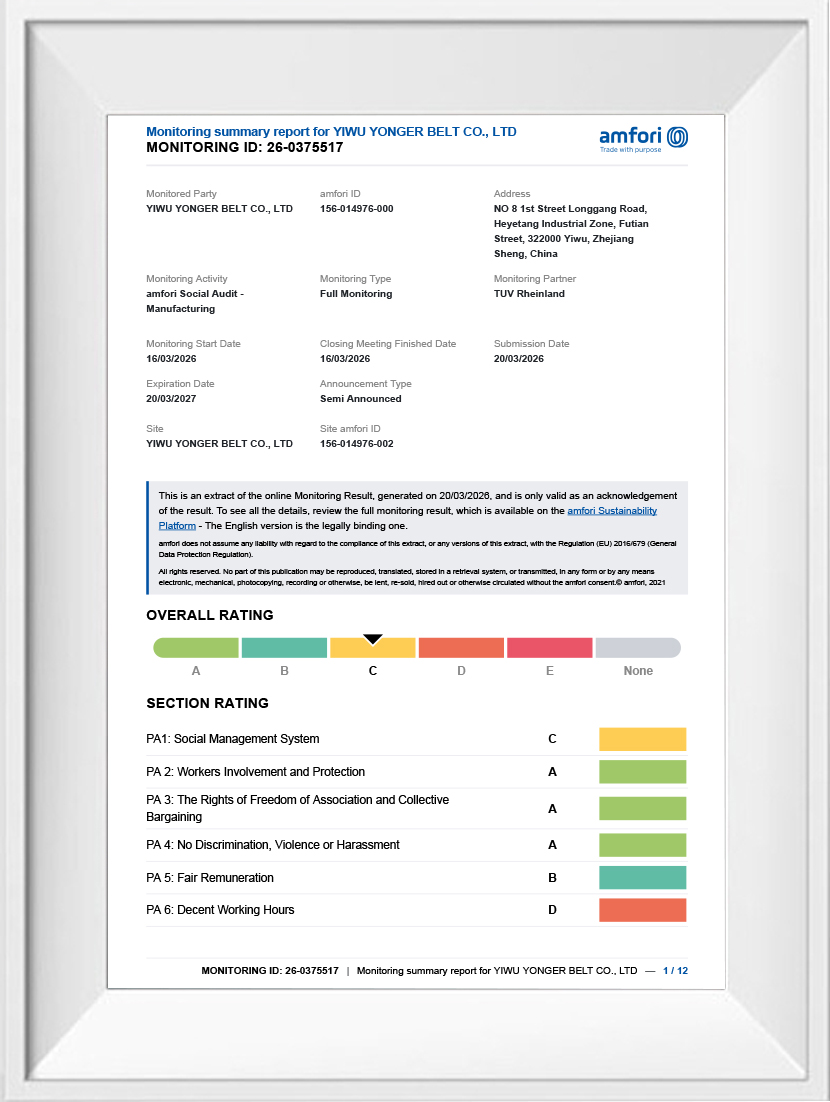
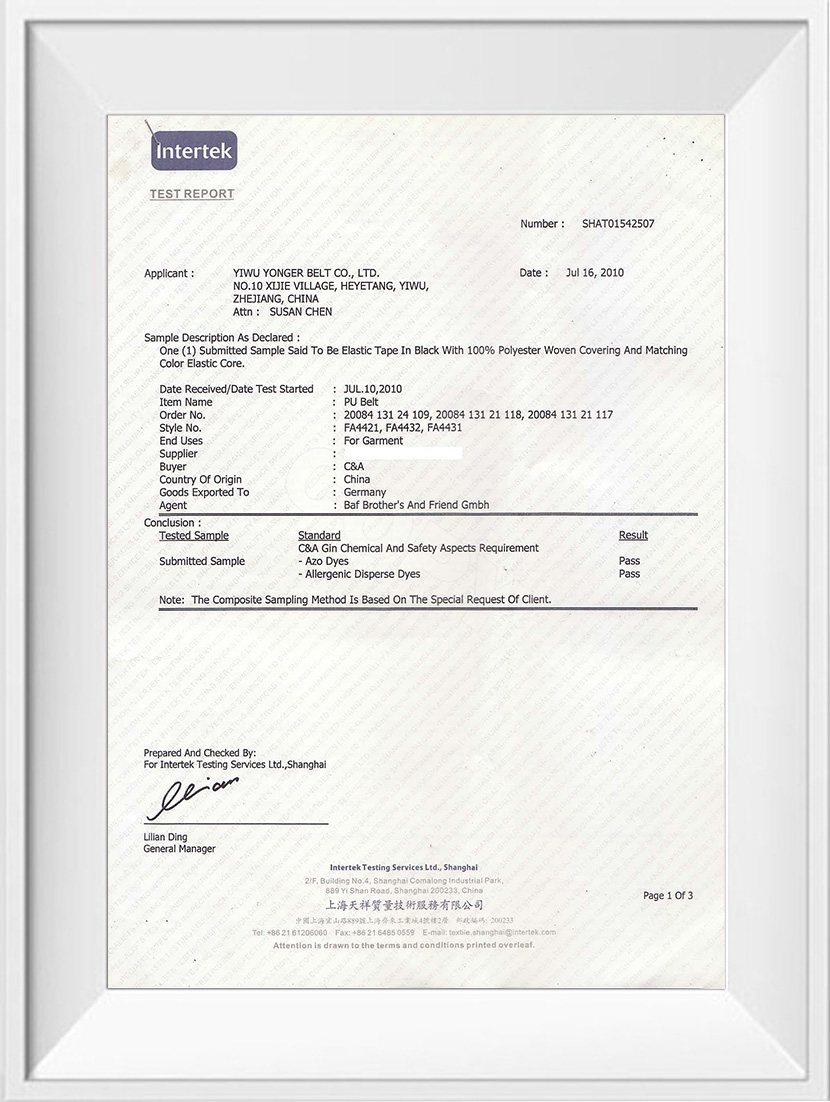
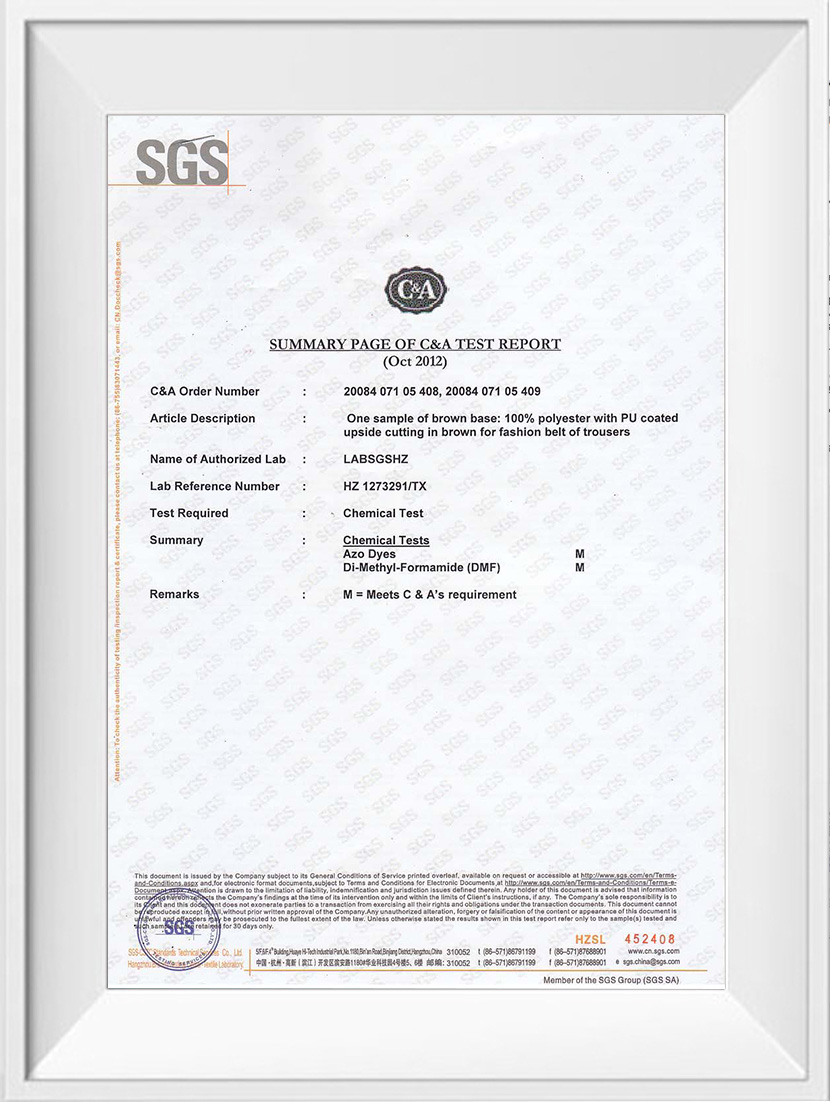
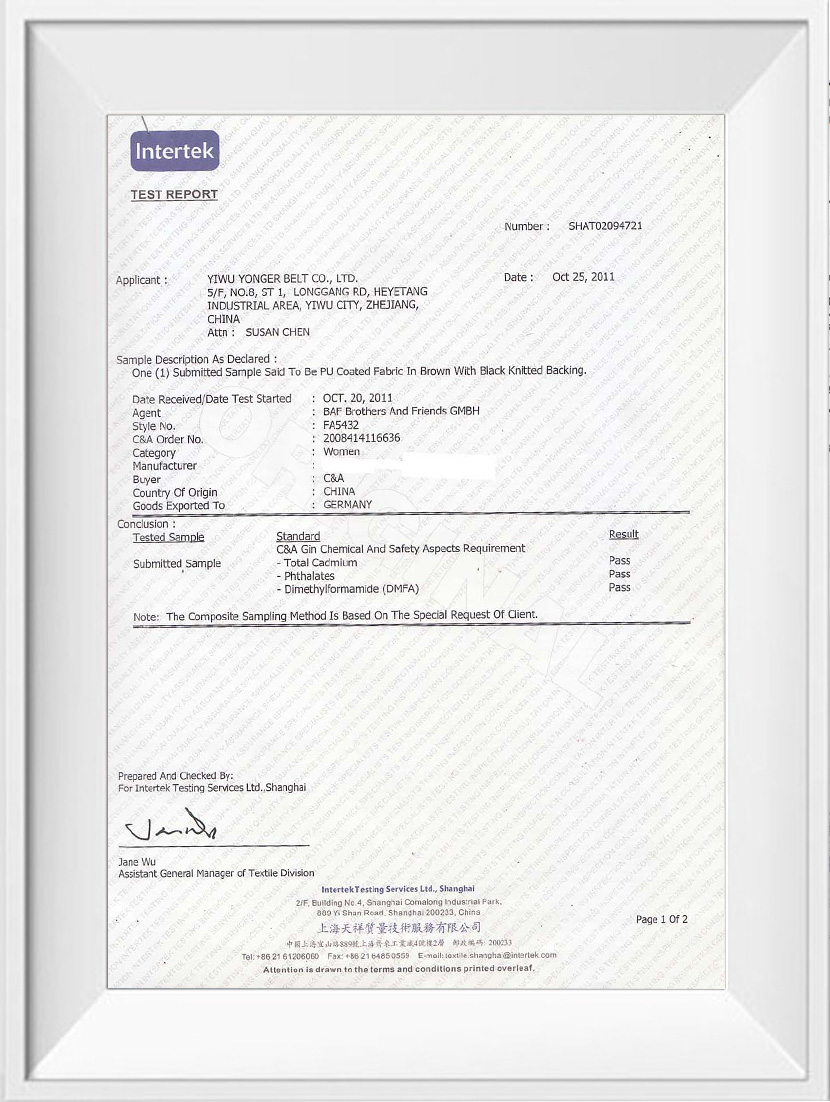
Before anything ships, a proper factory runs checks across belt length, width, thickness, buckle function, stitching quality, edge finishing, surface defects, and packing condition. Chemical compliance testing typically covers AZO, nickel, cadmium, and lead, particularly for belts headed toward European and North American markets.
Main Styles of Men's Belts
Men's belts branch out into quite a few styles, shaped mostly by use case, market positioning, and whatever identity a brand is going for.
Formal Leather Belts
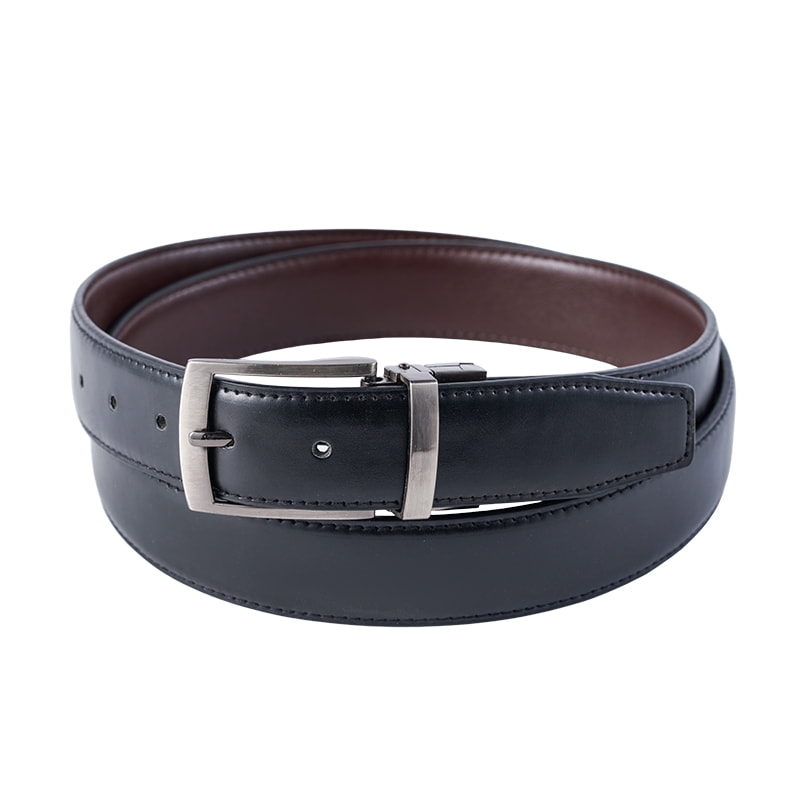
Formal belts generally stick to smooth leather, simple buckles, dark colors, and clean edges. Black and brown remain the go-to choices here, and these belts fit naturally with suits, dress trousers, office wear, and professional uniforms.
Casual Belts
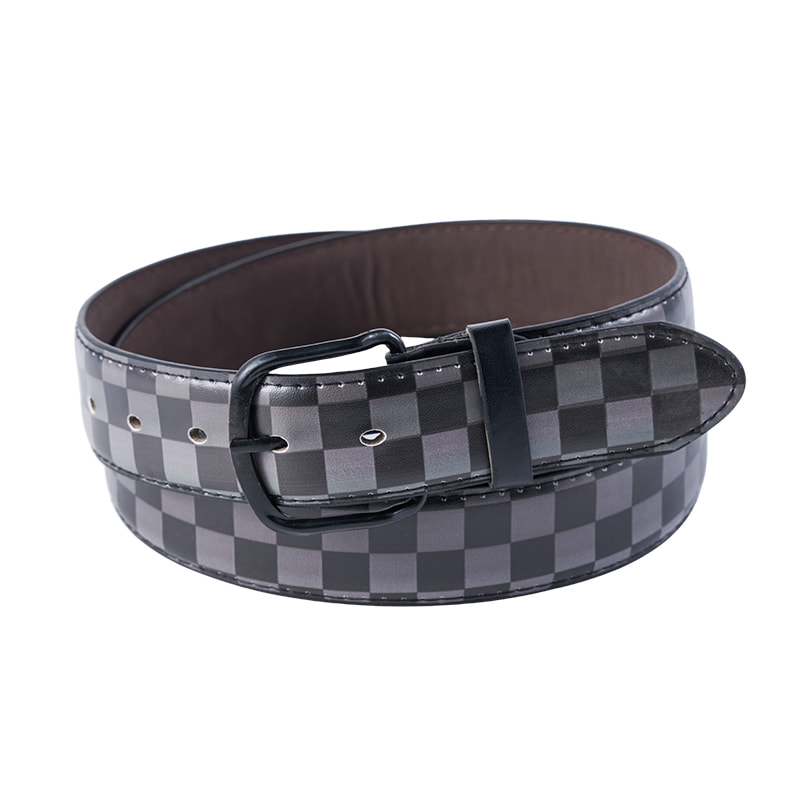
Casual belts have more room to play—wider widths, textured surfaces, contrast stitching, matte buckles, two-color splicing. They pair naturally with jeans, chinos, and the kind of relaxed outfits people wear day to day.
Automatic Buckle Belts
Automatic belts adjust in fine increments through a ratchet system, and they've caught on largely because they keep a neat appearance without visible holes anywhere. What matters most here is that the buckle mechanism stays stable and smooth, without any tendency to slip.
Reversible Belts
Reversible belts let someone switch between two colors or surfaces on the same piece. That flexibility turns out to be genuinely useful for travel, for gifting, and for anyone trying to keep their wardrobe compact.
Extended-Length Belts
Extended lengths running up to 140 cm get produced for plus-size markets, workwear programs, and regional sizing needs that fall outside standard ranges. Getting the sizing right matters here more than usual—it cuts down on returns and makes a real difference in how comfortable the belt actually feels once worn.
Application Scenarios
Men's belts turn up across a wide range of apparel and lifestyle categories, and the scenario largely dictates what materials and construction standards actually make sense.
Business Formal Wear
Office and formal dressing calls for a refined surface, width that stays slim to medium, a polished buckle, and stitching that looks clean throughout. Top-grain leather tends to be the preferred pick for this segment specifically.
Daily Casual Wear
Casual wear leans more toward comfort, durability, and styling that's easy to work with day to day. Split cowhide and high-density PU can both hold up well here, provided they're processed properly.
Uniform and Corporate Apparel
Uniform belts need color that stays consistent, sizing that stays stable, and quality that repeats reliably across large orders. The design itself usually stays simple and practical, matching easily with trousers or work outfits.
Gift and Brand Accessory Collections
Belts often get bundled into gift sets alongside wallets, card holders, or other small leather goods. In that context, packaging, logo presentation, and finish consistency end up mattering more than they might elsewhere.
Fashion Retail Collections
Fashion lines tend to ask for seasonal colors, distinctive textures, contrast edges, logo embossing, and customized buckle finishes. Having flexible development capability on hand makes it a lot easier to turn a design concept into an actual finished product without losing time along the way.
Customization and OEM Capability
At Yonger, men's belt production covers a broad range of customization options, giving apparel brands, accessory labels, and retail programs room to build products that actually fit their visual identity and market level.
What's available for customization:
- Logo embossing on leather or PU surfaces
- Debossed or hot-stamped branding
- Custom alloy buckle shapes
- Pin buckle and automatic buckle options
- Two-color splicing
- Contrast stitching
- Edge color matching
- Belt lengths up to 140 cm
- Widths ranging from 3.0 cm to 4.0 cm
- Smooth, pebbled, grain, matte, or glossy finishes
- Packaging customized to match brand style
Before a new belt moves into sampling, a handful of details really need confirming first—who's actually going to wear it, the price range aimed for, material preference, buckle type, sizing, color palette, testing requirements, and how it'll be packaged. Nailing down those technical details early tends to cut development time down and keeps production a lot more consistent once things scale up.
Why Choose Yonger Manufacturer for Men's Belts?
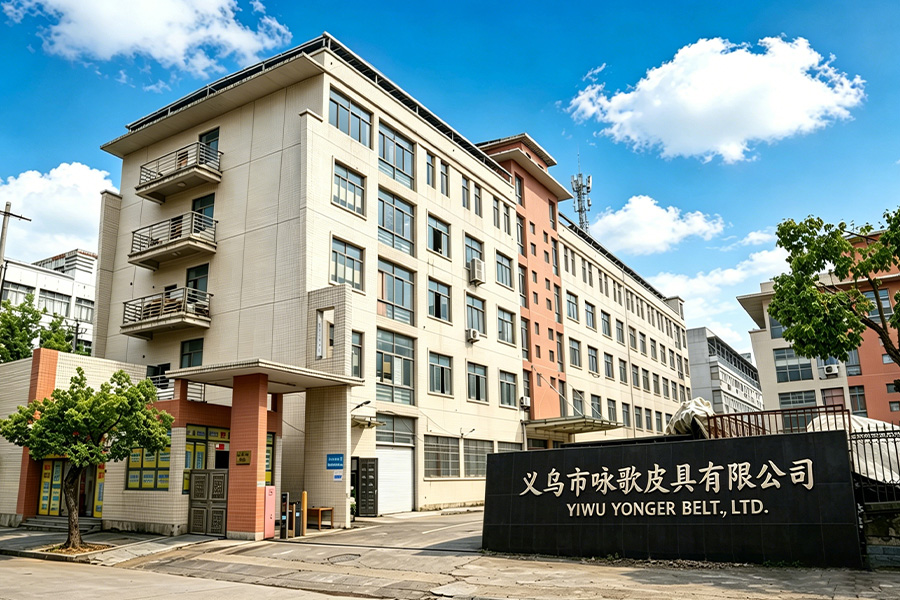
Yonger brings together years of belt production experience with manufacturing capacity that stays reliable order after order. The factory has a working understanding of the practical details that shape belt comfort, durability, and how a product actually presents commercially.
Where the strengths show up:
- Widths ranging from 3.0 cm to 4.0 cm
- 3.5 cm as the common choice for business and casual belt development
- Top-grain leather, split cowhide, and high-density PU as material options
- Belt body thickness between 3.0 mm and 3.8 mm
- Pre-stretched belt body preparation
- Alloy pin buckle and automatic buckle assembly
- Ratchet and spring testing built into automatic belt production
- Oval punched holes paired with edge-painted finishing
- Heat-sealed or double-stitched belt tips
- Logo embossing and two-color splicing
- Extended length production reaching up to 140 cm
- Monthly production capacity of 500,000 pieces
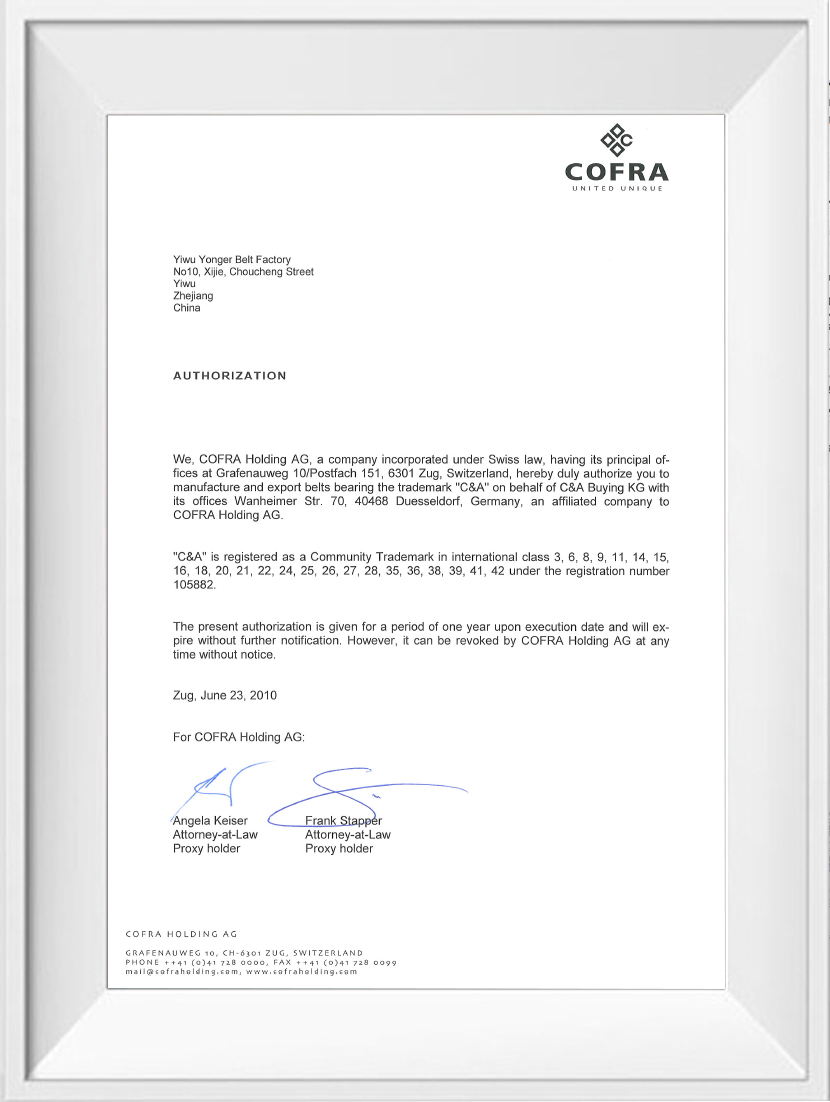
- Ongoing supply experience with European and American apparel brands
Being an actual belt manufacturer means the work goes well beyond making something look good in a product photo. The real substance sits in material selection, cutting accuracy, bonding, edge finishing, buckle testing, inspection, and production control that holds steady batch after batch. It's these details, more than anything else, that end up producing belts which look professional, wear comfortably, and hold up a brand's reputation over the long run.
How to Source Men's Belts from a Factory
Sourcing men's belts goes a lot smoother once the technical requirements get spelled out clearly right from the start. A project brief that's actually complete tends to cover the following:
- Belt width and length range
- Material type—top-grain leather, split cowhide, or PU
- Buckle type—pin buckle or automatic buckle
- Color and surface texture
- Logo position and branding method
- Stitching style and edge color
- Packaging requirements
- Compliance testing needs
- Target application, whether that's formal wear, casual wear, gift sets, or uniform use
Once these details are locked in, the factory can move ahead with samples, check on material availability, work out production timing, and confirm whether everything's technically feasible. Coming in with this kind of structured approach cuts down on back-and-forth confusion later and keeps the finished product lined up with whatever market it's actually headed for.



 English
  русский
  Español
  Deutsch