Chain Belt Manufacturing Guide: Materials, Styles, Applications, and Quality Standards
A chain belt centers on interlocking metal links, paired with clasps, rings, and small decorative pieces—leather or PU strips get added when a brand wants the size to adjust more easily. The real difference from an ordinary belt isn't functional; it's visual. Metal catches light differently than fabric, sits against denim or leather in a way that adds contrast, and gives designers room to experiment with proportion and shine rather than just holding pants up. That's largely why apparel and accessory brands reach for chain belts so often, working them into jean styling, jacket looks, dresses, skirts, and corset-inspired pieces where a bit of hardware detail changes the whole feel of an outfit.
What Is Chain Belt?
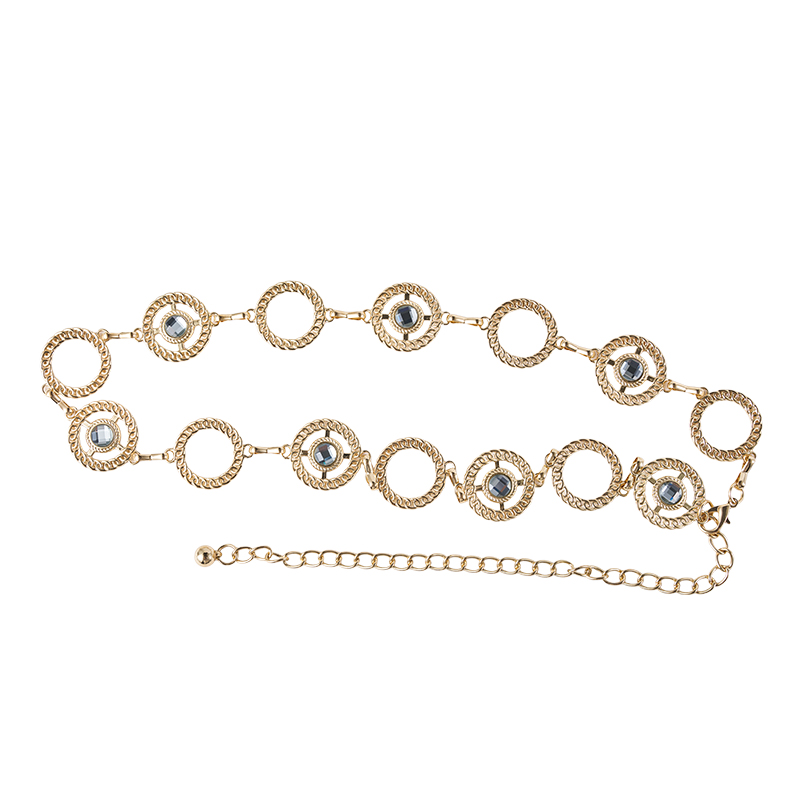
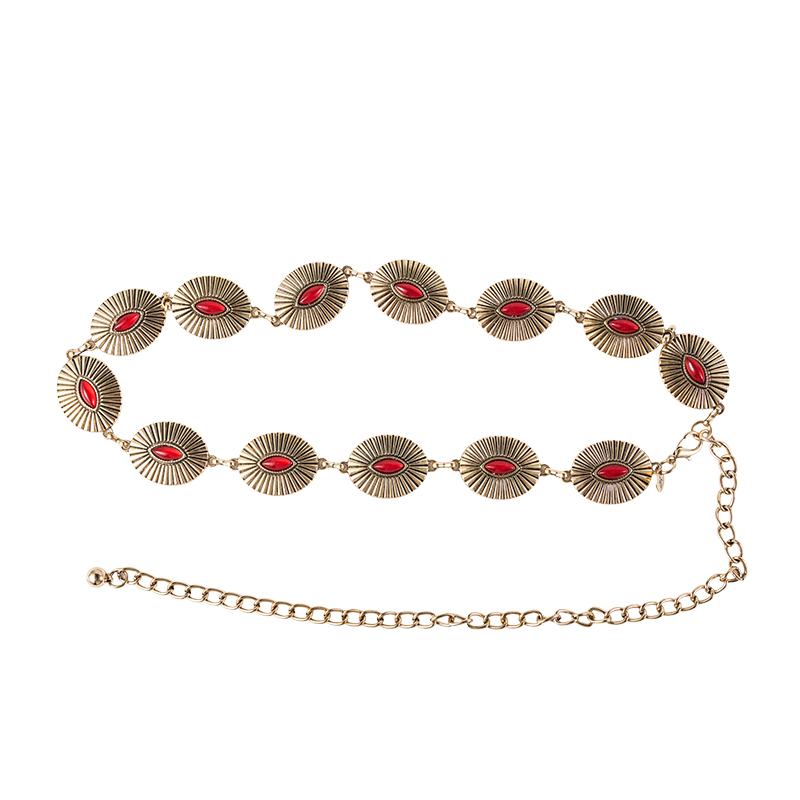
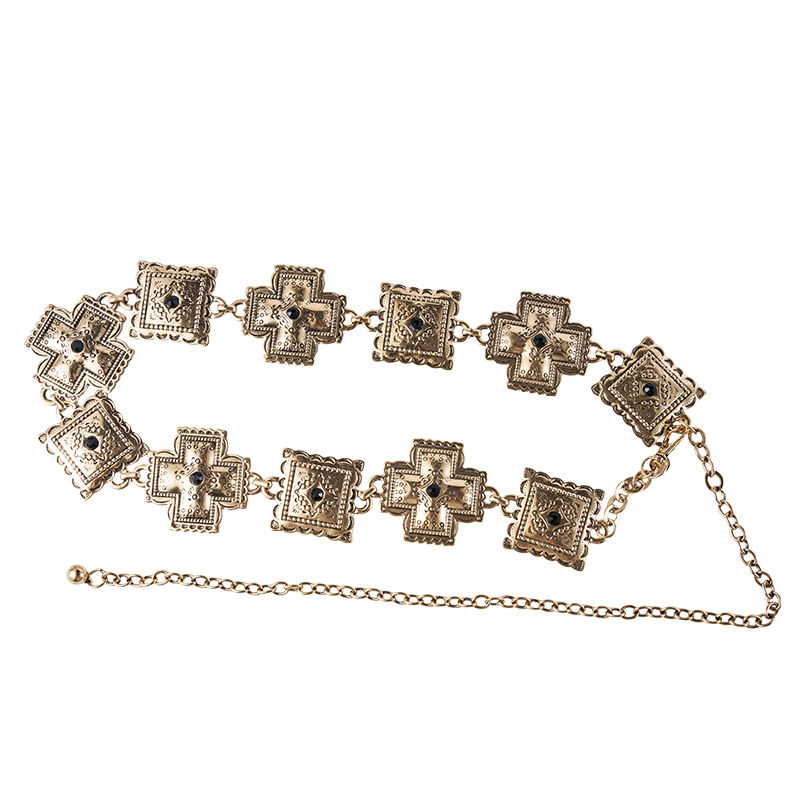
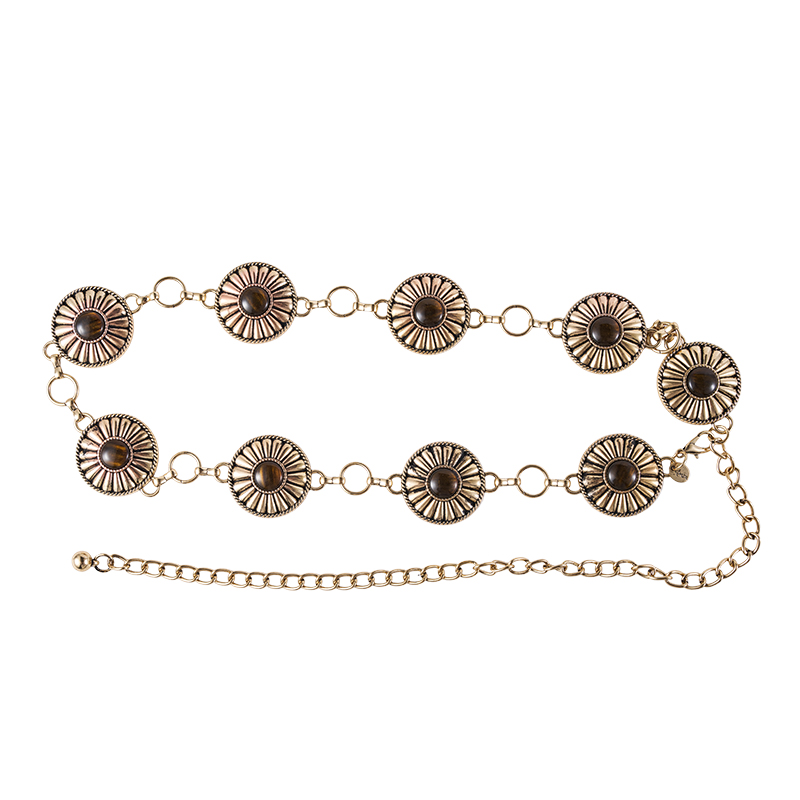
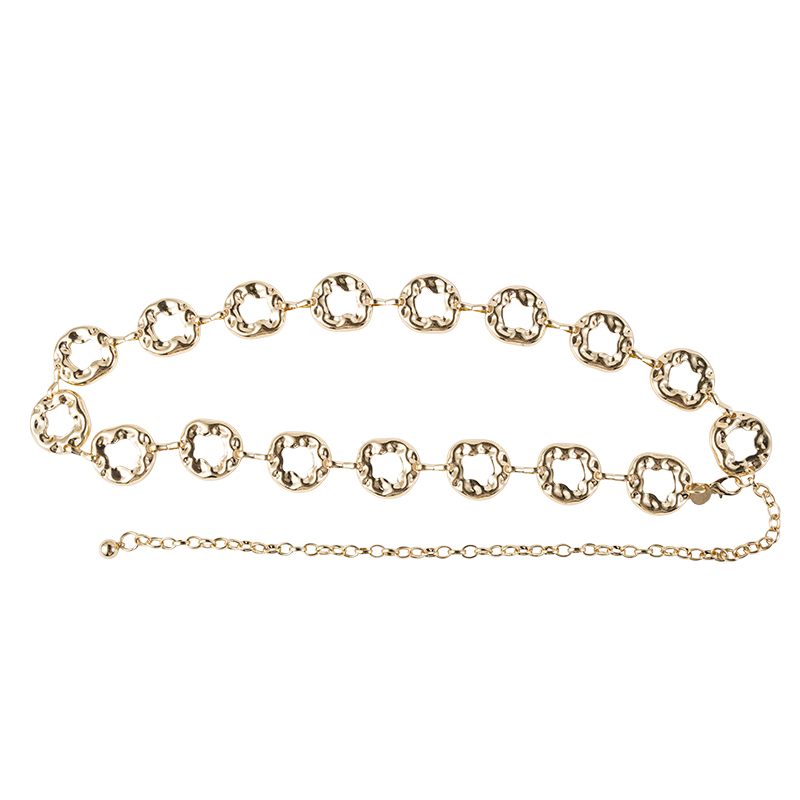
A chain belt is built around a series of connected metal links, typically finished off with hooks, lobster clasps, welded rings, extension chains, pendants, or logo plates. Many designs also bring in PU or genuine leather sections, mainly to make the length easier to adjust and the belt more comfortable to wear.
Leather belts rely on holes and a buckle to fit different waist sizes—chain belts work differently. Adjustment usually comes from one or more of these:
- Extension chains
- Hook closures
- Lobster clasps
- Adjustable connecting rings
- Leather or PU strap sections
- Multi-position metal links
Looks matter with chain belts, but so does how well they're put together. A few things tend to separate a solid chain belt from a flimsy one:
- Smooth, snag-free link edges
- Rings that are properly welded shut
- Clasps that hold under normal use
- Plating that doesn't wear off quickly
- Resistance to rust and corrosion
- Chains that can handle everyday tension
- A comfortable feel against skin or clothing
- Links that sit evenly, without twisting
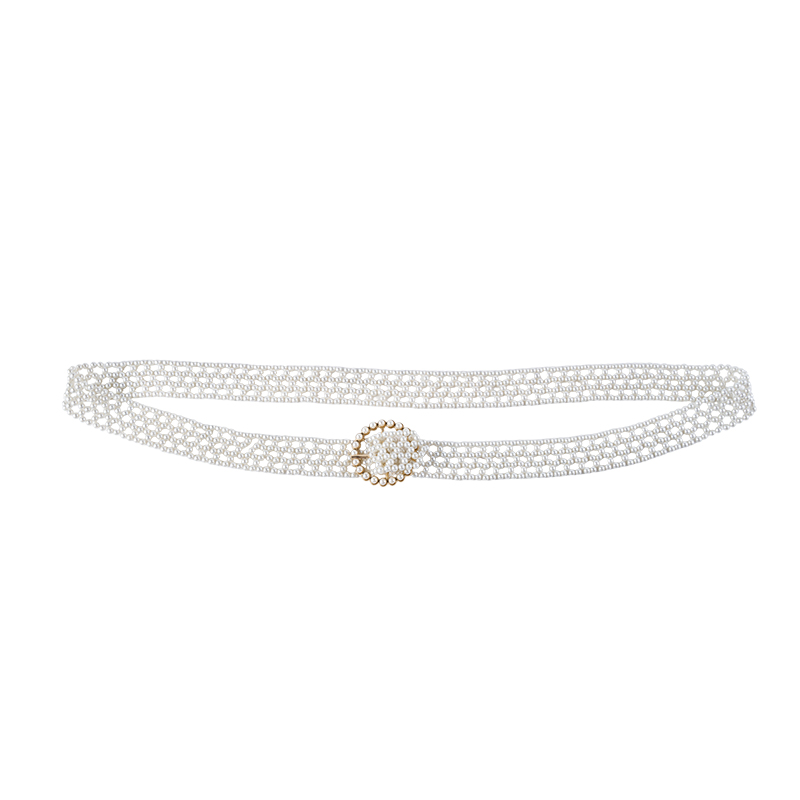
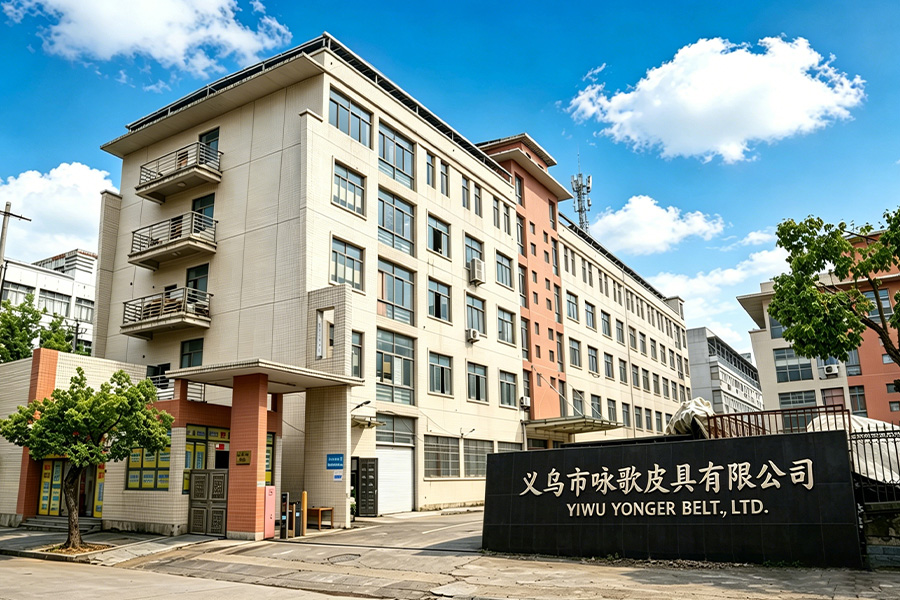
Yonger Belt works with a range of materials for chain belt production—iron alloy, zinc alloy, 304 stainless steel, PU, genuine leather, acrylic, resin, pearls, rhinestones, and various pendant styles. As a manufacturer, the focus stays on getting both the look and the build right: welded joints that hold, clasps that don't fail, and surfaces that get tested for durability before they leave the factory.
Key Features and Materials
What separates a well-made chain belt from a mediocre one usually comes down to five things: the material chosen, how the chain is structured, the quality of the plating, how strong the welds are, and how carefully the final product gets checked. Each of these has a direct effect on how the belt looks, how long it lasts, and how it feels to actually wear.
Main Features of Chain Belts
People gravitate toward chain belts mainly because of how versatile they are to style. A few traits show up consistently across well-designed pieces:
- Chain structure that shows off metal texture rather than hiding it
- Length adjustment built in through extension chains or strap sections
- Finish options spanning gold, nickel, gun black, silver, rose gold, and antique brass
- Link sizes that typically run somewhere between 8mm and 15mm
- Rings that are fully welded shut for a stronger connection point
- Enough compatibility to attach pendants or small charms
- Tensile strength built to handle regular wear, often rated at 300N or higher
- Enough flexibility to work with jeans, jackets, dresses, skirts, or corset styles
- Mixed-material builds combining PU, leather, acrylic, resin, or decorative stones
Link size ends up shaping the whole personality of the piece. Smaller links tend to read as refined and understated, while larger, chunkier links push toward a bolder statement—the kind of look that shows up often in streetwear, going-out pieces, and trend-driven accessory lines.
Common Material Options
Different materials create different product performance. A professional Chain Belt Factory should recommend materials according to appearance, strength, weight, corrosion resistance, and target price level.
| Material |
Key Characteristics |
Typical Use |
| Iron Alloy |
Cost-efficient, suitable for many chain structures, easy to plate |
Fashion chain belts and seasonal accessories |
| Zinc Alloy |
Good for molded shapes and decorative hardware |
Pendants, charms, logo plates, special parts |
| 304 Stainless Steel |
Stronger corrosion resistance, clean metal appearance |
Premium chain belts and long-wearing designs |
| PU |
Lightweight, flexible, color-friendly |
Adjustable strap sections and decorative panels |
| Genuine Leather |
Natural texture, stronger premium feel |
Chain and leather combination belts |
| Acrylic / Resin |
Rich color effects, lightweight, stylish |
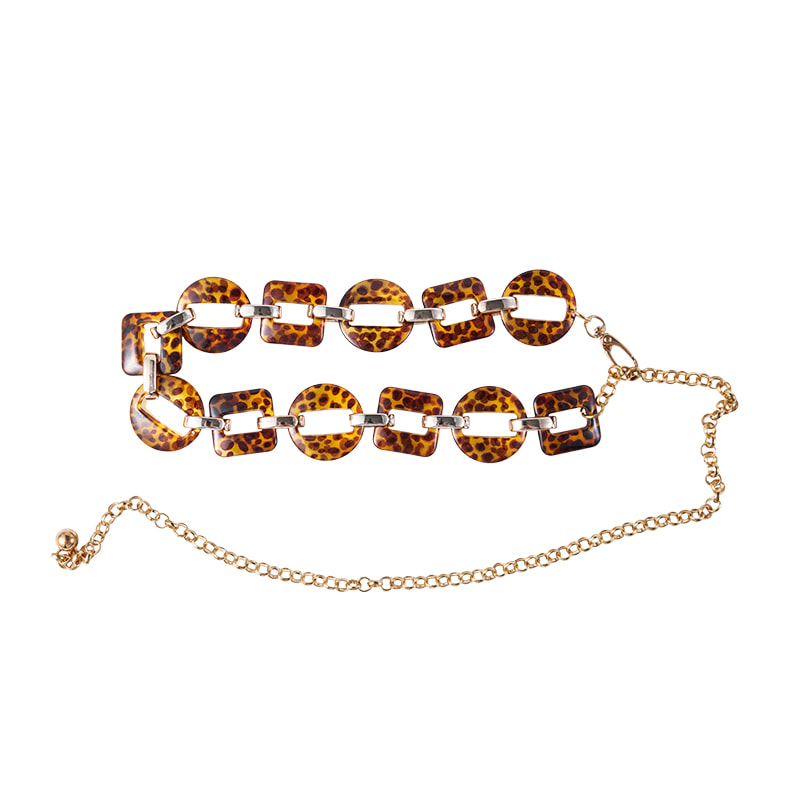
Tortoise shell links, transparent links, decorative inserts |
Iron alloy is widely used for fashion chain belts because it offers flexible structure choices and competitive production cost. Zinc alloy is suitable for decorative pendants and special hardware shapes. 304 stainless steel is preferred when corrosion resistance and long-term durability are important.
Surface Treatment and Plating
The color and protective layer on a chain belt come from electroplating. Most factories offer a fairly wide color range, including:
- Gold
- Light gold
- Nickel
- Silver
- Gun black
- Matte black
- Antique brass
- Rose gold
- Brushed finish
- Polished finish
Getting there involves several steps in sequence—cleaning the surface, polishing, plating, sealing, drying, and a final check. Skip or rush any of these, and problems tend to show up: plating that peels, color that comes out patchy, small black spots, edges that feel rough, or a coating that just doesn't hold well.
To catch these issues before shipping, plating usually gets tested through:
- Cross-cut adhesion testing
- Salt spray testing
- Sweat resistance testing
- Abrasion testing
- Surface scratch checks
- Color consistency checks
This level of testing matters because chain belts spend a lot of time in contact with skin, fabric, moisture, perfume, and sweat. Plating that's done right holds up against fading, oxidation, and staining far longer than plating that's rushed through.
Strength and Safety Details
Even on pieces designed mainly for looks, the underlying structure still needs to hold together under normal wear. That means paying attention to:
- Rings that are welded or fully closed
- Clasps that stay securely attached
- Chain edges free of burrs or rough spots
- Consistent thickness across the chain
- Extension chains that don't loosen over time
- Pendant connections that stay firm
- Weight that feels balanced rather than lopsided
- Tensile strength rated at 300N or above
Before any chain belt leaves the factory, it typically gets checked at the weld points, clasp movement, surface finish, chain alignment, and plating quality. This step is what keeps performance consistent from one batch to the next.
Styles and Applications
Chain size, link shape, finish color, decorative details, and closure type all play into how a chain belt turns out. Change any one of these variables and you get a noticeably different fashion effect.
Common Chain Belt Styles
Classic Metal Chain Belt
The most straightforward version—just a chain with a hook or lobster clasp. It fits comfortably into jeans, skirts, dresses, and everyday casual outfits without demanding much attention.
Chunky Chain Belt
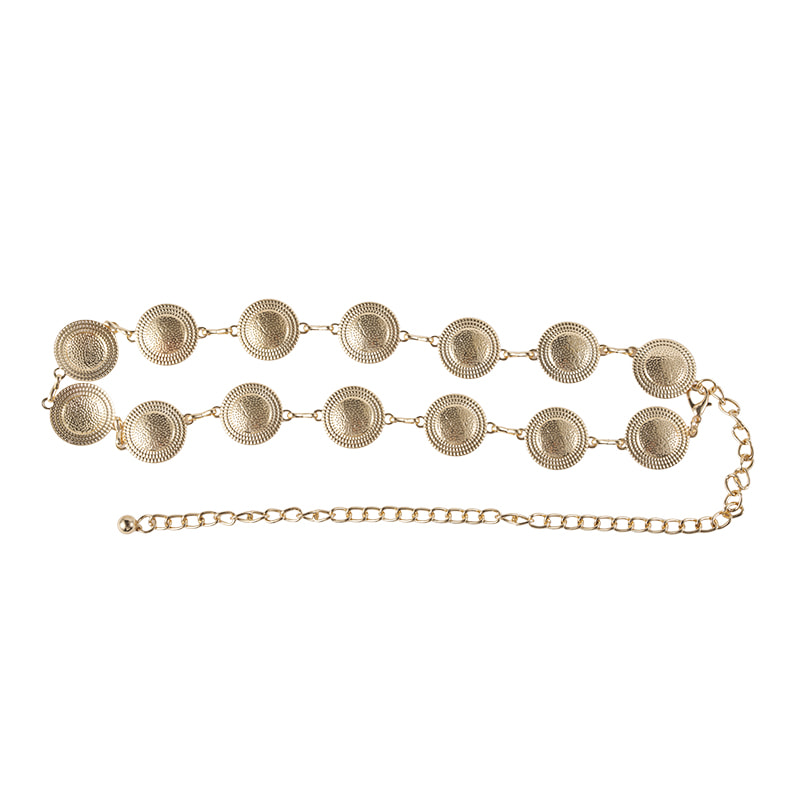
Built from larger links, usually somewhere in the 12mm–15mm range or bigger. The size alone gives it presence, which is why it shows up so often in streetwear and going-out looks that want to make a statement.
Waist Chain Belt
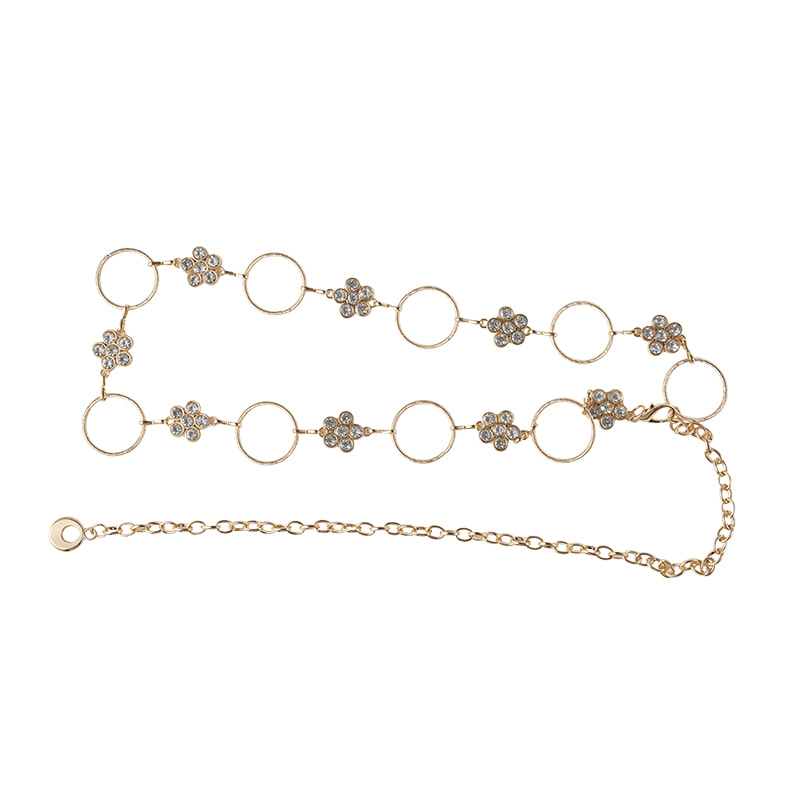
A lighter, more decorative option meant to sit at the waist rather than through belt loops. Works nicely with dresses, fitted tops, skirts, and layered pieces where you want detail without bulk.
Jeans Chain Belt
Made specifically for denim styling. Some wear it around the waist, others clip it to belt loops—either way, it leans casual with a fashion edge.
Corset Chain Belt
Built for structured garments and waist corsets specifically. These often include side chains, leather panels, a decorative center piece, or connection points at multiple spots.
Pendant Chain Belt
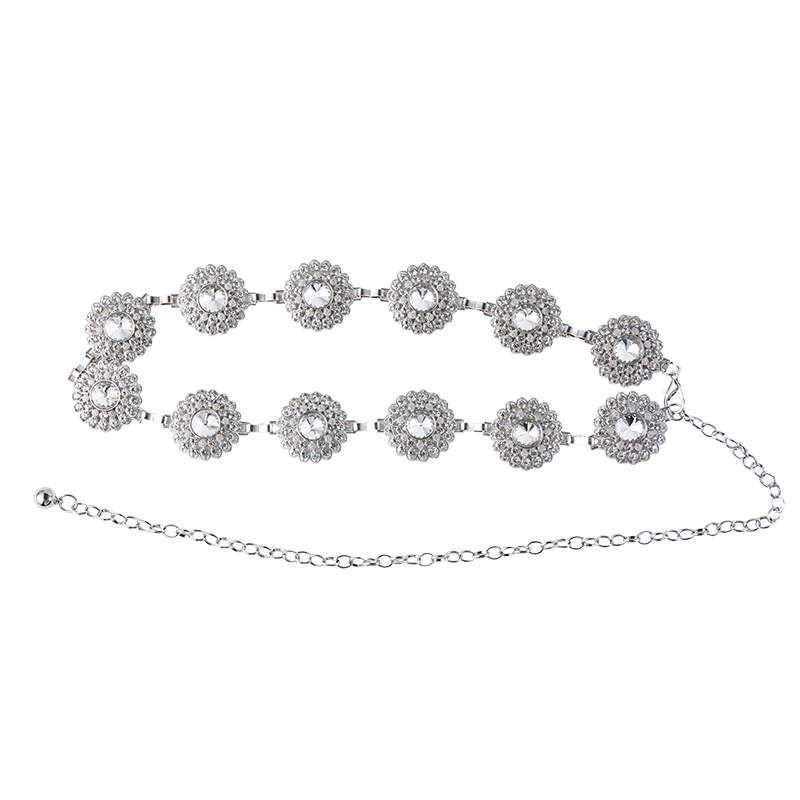
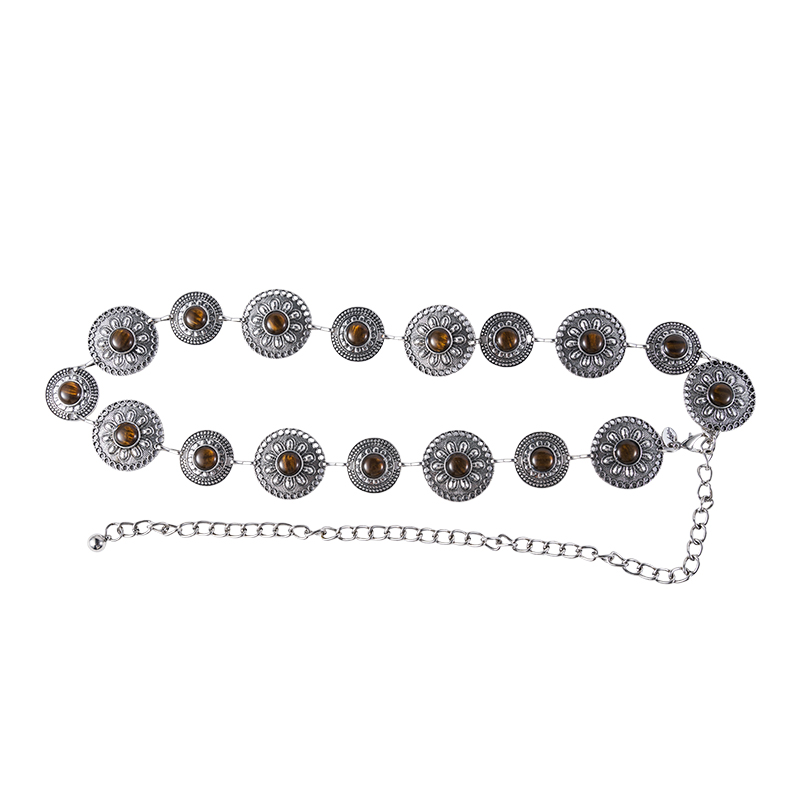
The chain becomes a base for charms, coins, pearls, rhinestones, acrylic pendants, or logo plates. Good fit for themed collections or pieces meant to catch the eye.
Leather and Chain Combination Belt
Metal chain paired with PU or genuine leather sections—mainly to make the fit easier to adjust while keeping some shape and comfort that pure metal can't offer on its own.
Multi-Layer Chain Belt
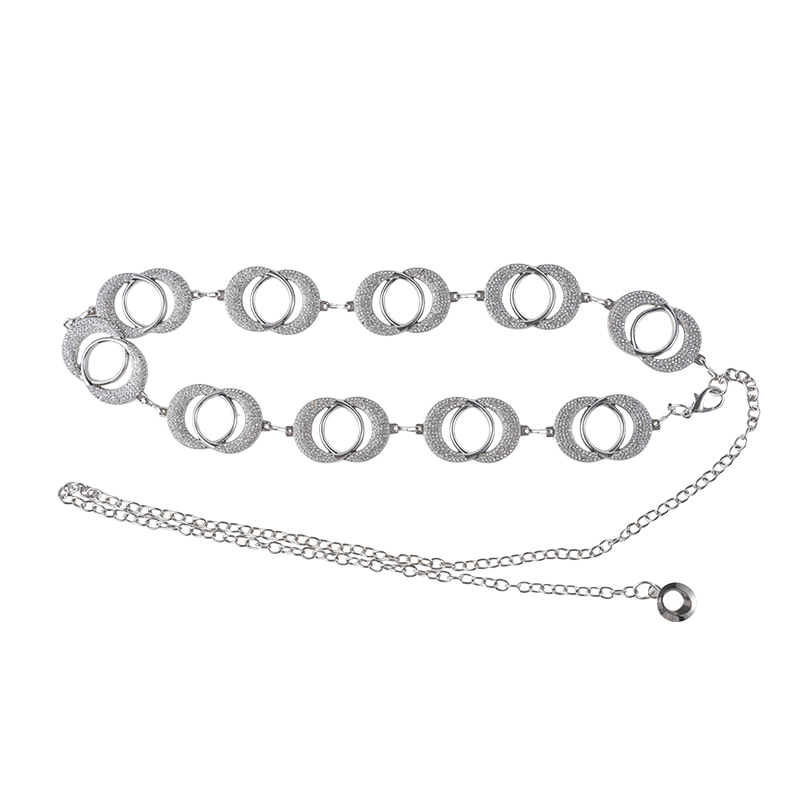
Two or more chain rows layered together for a fuller, more dimensional look. Common in dress styling, festival outfits, and anywhere a bit more visual weight around the waist makes sense.
Acrylic Link Chain Belt
Metal hardware combined with acrylic or resin links—tortoise shell, transparent, marble, or colored variations. The mix tends to feel lighter and a touch more modern than an all-metal build.
Application Scenarios
Chain belts show up across a fairly wide range of fashion contexts:
- Denim jeans
- Dresses and skirts
- Jackets and coats
- Waist corsets
- Streetwear outfits
- Festival clothing
- Partywear
- Boutique accessories
- Fashion photography styling
- Apparel collection matching
- Private-label fashion accessories
Color choice shifts the whole feel of the piece. Gold tends to read warm and polished. Nickel or silver comes across clean and modern. Gun black leans edgier, while antique brass pulls toward something more vintage.
Customization Options
Yonger Belt works with brands on custom design, OEM/ODM production, material choices, color options, sizing, and packaging when developing chain belts—covering most of what a brand would actually need to get from concept to finished product.
Customization typically covers:
- Chain link shape, size, width, and thickness
- Finish options including gold, nickel, gun black, silver, rose gold, antique brass, or matte
- Material choices such as iron alloy, zinc alloy, 304 stainless steel, PU, leather, acrylic, or resin
- Development of pendants, charms, logo plates, or other decorative hardware
- Adjustable length setup, extension chains, clasp type, and waist size range
- Logo engraving, stamping, or a branded metal tag
- Packaging in polybags, hang tags, paper cards, pouches, boxes, or eco-friendly materials
When a brand comes in with a new design, the starting point can be a sketch, a reference image, a physical sample, or a full technical drawing—whatever's available. From there, the development team works through material suitability, chain weight, clasp strength, whether the plating is feasible, and how the final piece is likely to look and hold up.
How to Choose a Reliable Manufacturer?
Picking a chain belt manufacturer isn't just about how the samples look. What actually matters is whether the factory understands materials, structure, plating, and testing well enough to back up that appearance.
1. Material Knowledge
A factory worth working with should be able to walk you through the trade-offs between iron alloy, zinc alloy, stainless steel, PU, leather, acrylic, and resin—not just list them.
- Iron alloy covers most standard chain structures
- Zinc alloy suits pendants and molded decorative pieces
- 304 stainless steel holds up better against corrosion
- PU stays light and takes color well
- Genuine leather adds a more premium hand feel
- Acrylic and resin bring visual variety without adding weight
Getting this wrong shows up later—as excess weight, a finish that doesn't hold, or flexibility issues.
2. Plating Quality
Plating is what people actually see and touch, so the process behind it—polishing, cleaning, plating, sealing, drying, inspection—needs to be tight. Watch for:
- Even color across the surface
- Strong adhesion, no peeling
- No black spots or visible scratches
- Smooth edges
- Decent resistance to sweat and abrasion
Abrasion resistance matters more than people expect, since chain belts rub against fabric constantly during wear.
3. Chain Structure
This is what keeps the belt from falling apart mid-use. Key points:
- Rings that are welded shut, not just bent closed
- Clasps installed securely
- Extension chains that don't loosen
- Smooth link edges, accurate alignment
- Pendant connections that stay firm
- Tensile strength that holds up
Each piece should get checked individually at the weld points and clasp—not just spot-checked in a batch.
4. Testing Capability
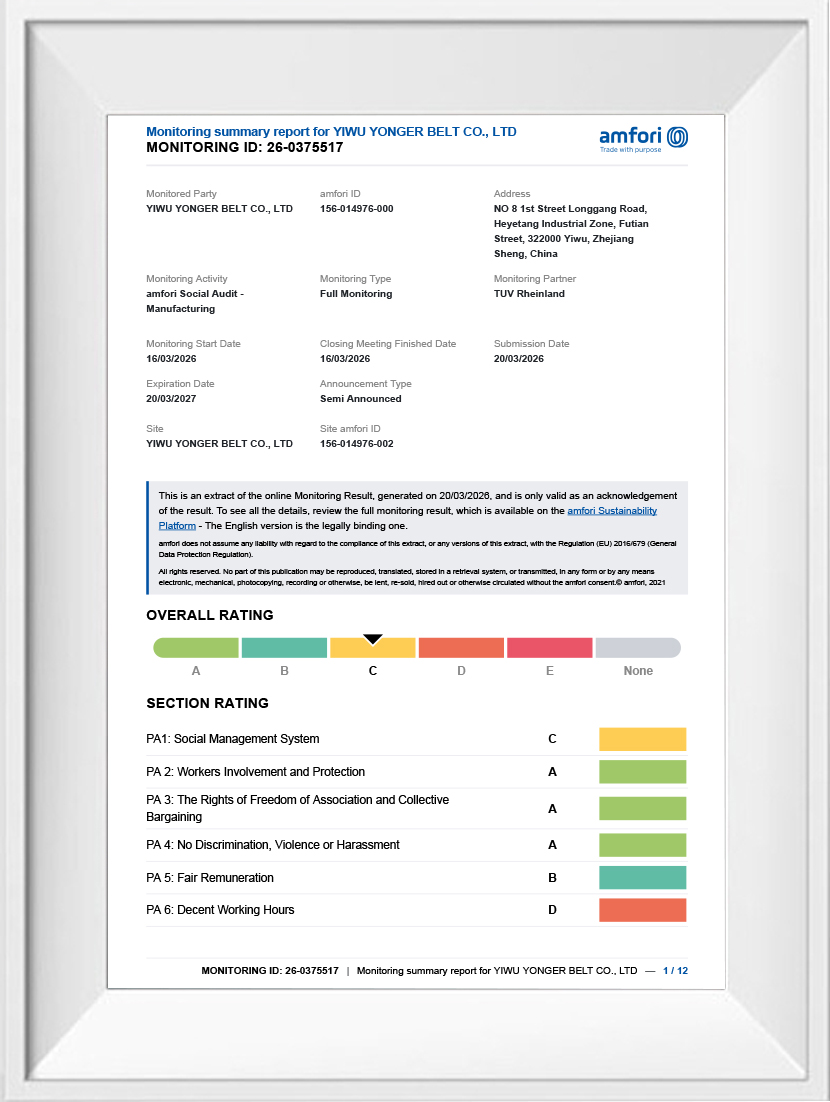
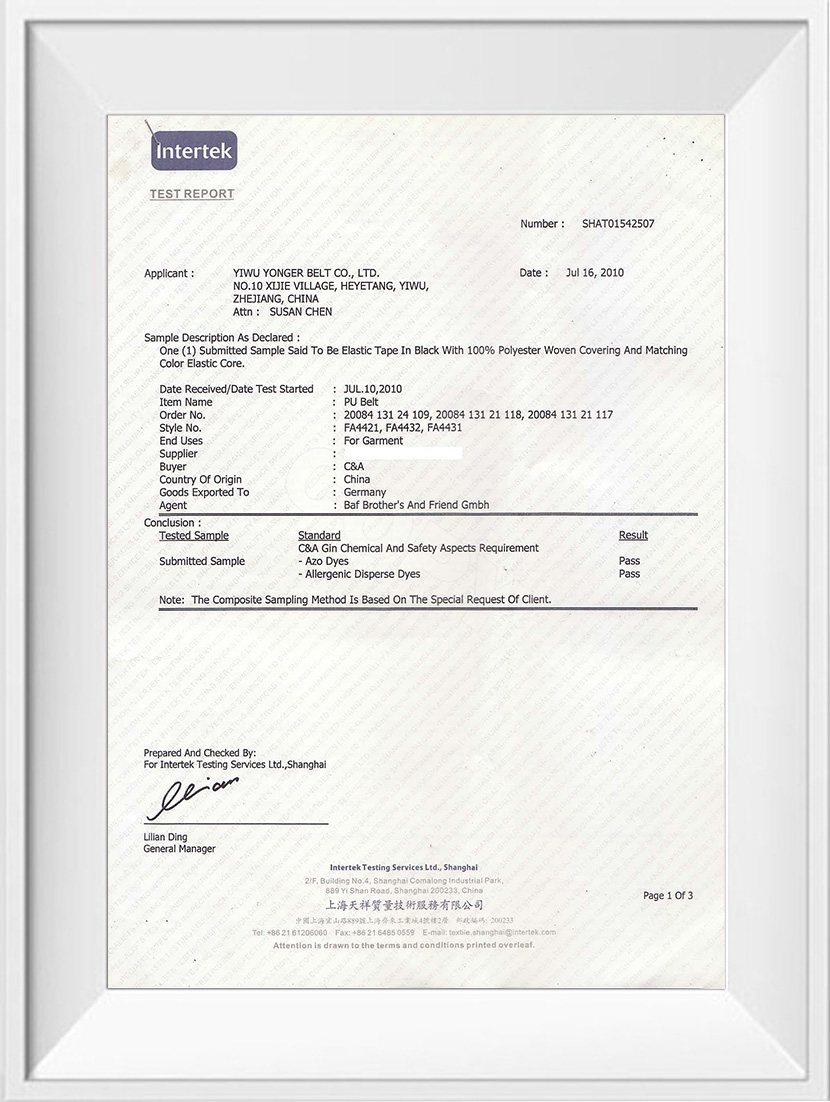
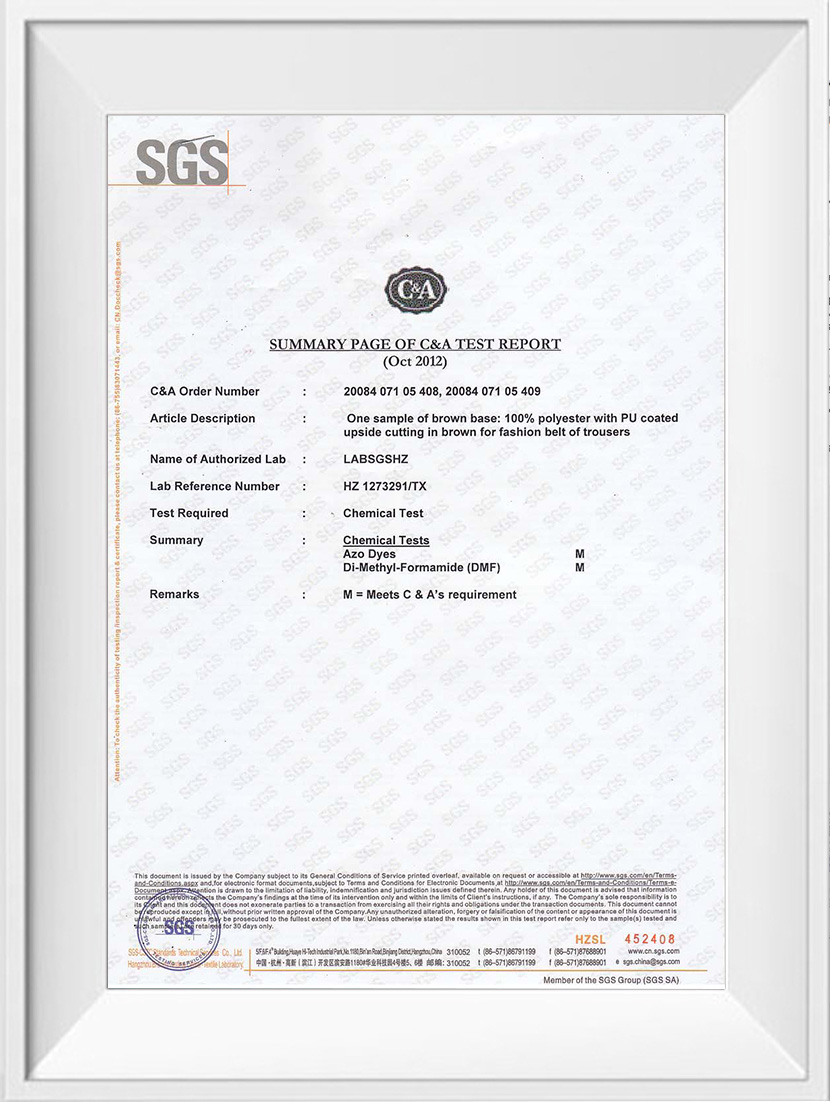
A factory should be able to run or arrange basic quality tests: cross-cut adhesion, salt spray, sweat resistance, tensile strength, abrasion, and clasp open/close cycles, along with a visual check. This is what catches problems before shipping, not after.
5. Development Support
Beyond production, a good partner should offer real input on chain size, weight, material pairing, plating color, clasp choice, pendant structure, adjustable length, and packaging protection—the kind of feedback that comes from actually having made these before.
Yonger Belt works across these areas for fashion labels, apparel collections, and private-label accessory projects, with production and inspection built around these same standards.
FAQ
1. What is a chain belt?
A chain belt is a waist accessory made mainly from metal chain links, clasps, connecting rings, and decorative parts. It can be worn with jeans, dresses, jackets, skirts, and corsets for styling and waist decoration.
2. What materials are commonly used for chain belts?
Common materials include iron alloy, zinc alloy, 304 stainless steel, PU, genuine leather, acrylic, resin, pearls, rhinestones, and metal pendants. Each material offers different advantages in weight, appearance, durability, and cost.
3. Which plating colors are available for chain belts?
Common plating colors include gold, nickel, silver, gun black, rose gold, antique brass, matte black, and polished finishes. Color selection depends on the fashion style and collection direction.
4. How can chain belt quality be tested?
Quality can be checked through cross-cut adhesion testing, salt spray testing, sweat resistance testing, abrasion testing, tensile strength testing, clasp testing, and visual surface inspection.
5. Can Yonger Belt produce personalized chain belt designs?
Yes. Yonger Belt Manufacturer can develop chain belts with different chain styles, materials, colors, lengths, clasps, pendants, logo plates, and packaging methods through OEM/ODM service.



 English
  русский
  Español
  Deutsch