Children’s Belts: Safe, Comfortable, and Adjustable Belts for Kids’ Apparel
Children's belts serve a fairly specific purpose—waist accessories built for school uniforms, kids' fashion, holiday outfits, and everyday wear. But a children's belt can't just be a scaled-down version of an adult one. It needs to be lighter, softer against the skin, safer overall, and simple enough for a child to fasten alone. Holding trousers up is really just the baseline. Comfort, freedom of movement, restricted substance limits, buckle safety, and an age-appropriate look all factor in too.
At Yonger, children's belts get built on the same practical factory experience that goes into construction, material selection, sewing, edge finishing, and compliance testing across the board. Widths typically fall between 1.8 cm and 3.0 cm, and lengths run somewhere in the 60 cm to 90 cm range, adjusted based on the child's age group, the garment it's paired with, and whatever the target market calls for.
A children's belt that's done well should feel secure without pressing too hard against a child's waist. Strong enough to hold up through daily wear, sure, but never so stiff that it gets uncomfortable once a kid starts actually moving around. That balance is exactly why making children's belts turns out to be more technical than it might look at first glance.
What Is a Children’s Belt?
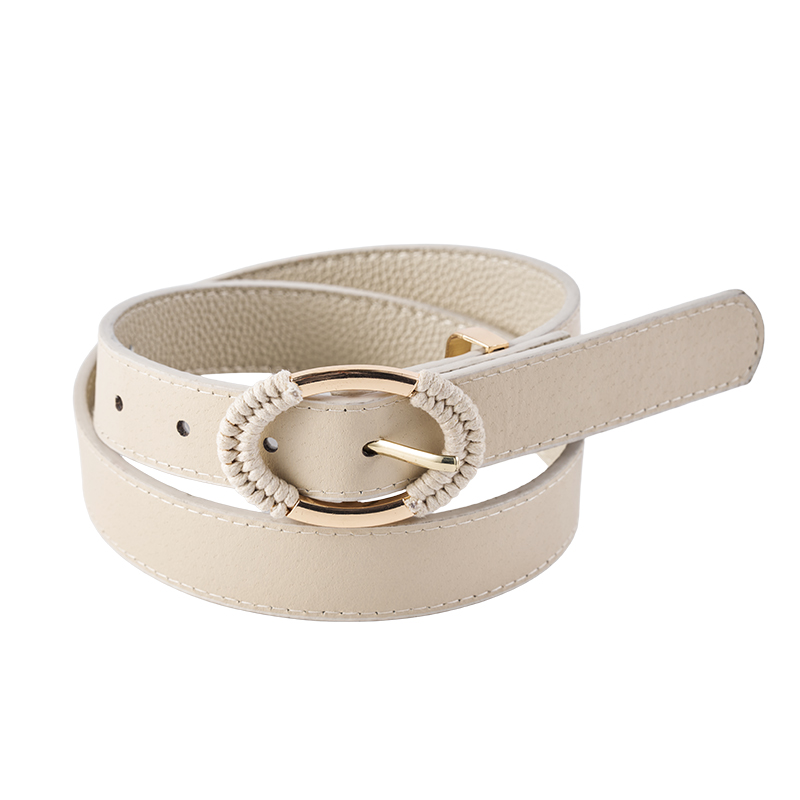
A children's belt is essentially a smaller, adjustable belt made for boys' and girls' trousers, skirts, school uniforms, casual outfits, and dressier clothing alike. Materials range from leather to polyester webbing, elastic webbing, braided textile, or other synthetics chosen specifically to meet what's expected of children's product safety.
Set next to an adult belt, a children's version usually differs in a few consistent ways: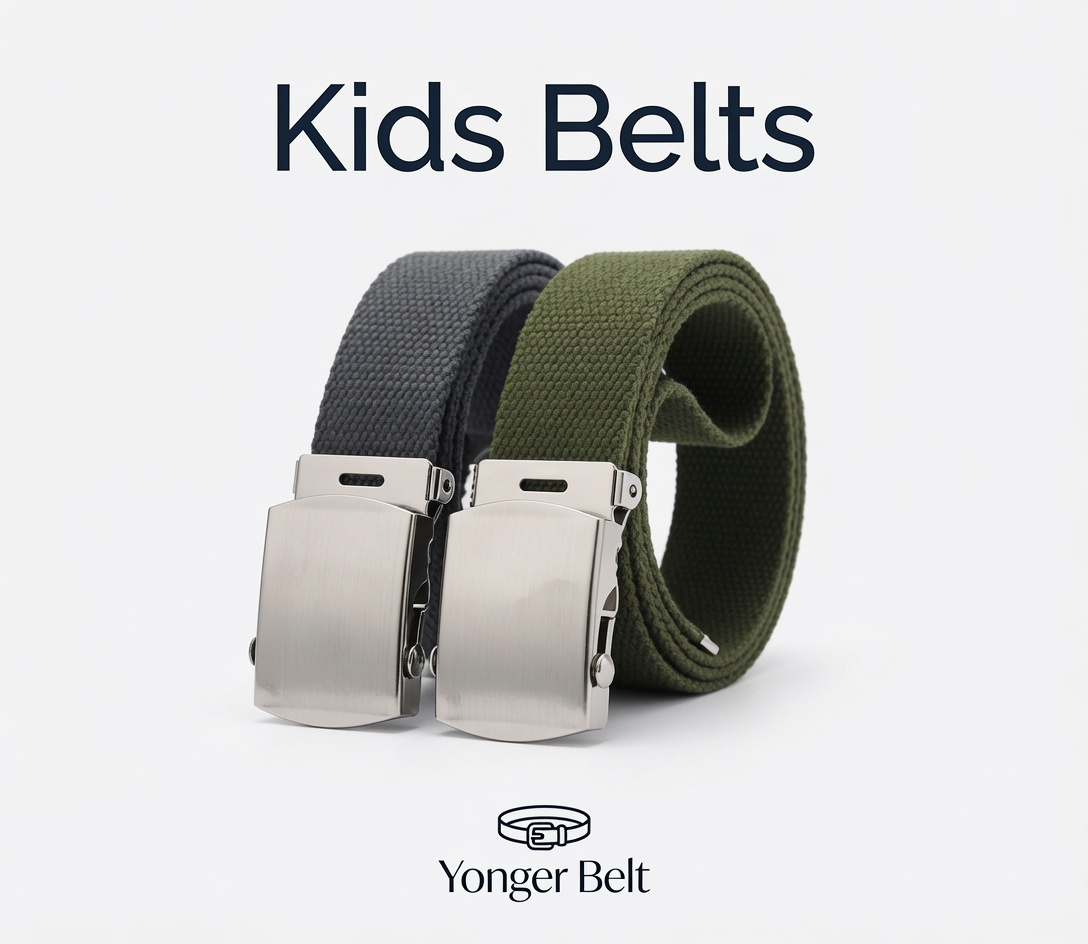
- Narrower, to fit through smaller belt loops
- Shorter overall, matching a child's waist size
- Edges rounded off, cutting down on skin irritation
- Buckles kept lighter, so wearing it stays easy
- Tensile strength kept moderate, avoiding anything too tight
- Hardware shaped without sharp corners
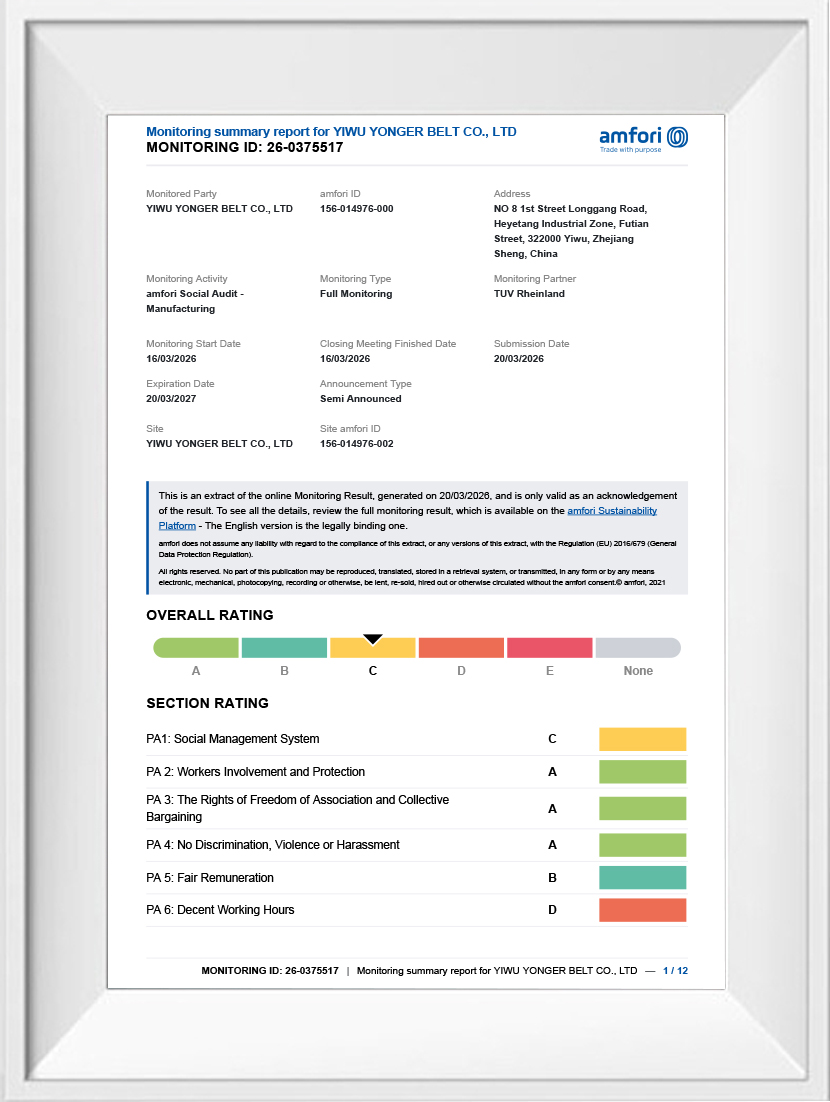
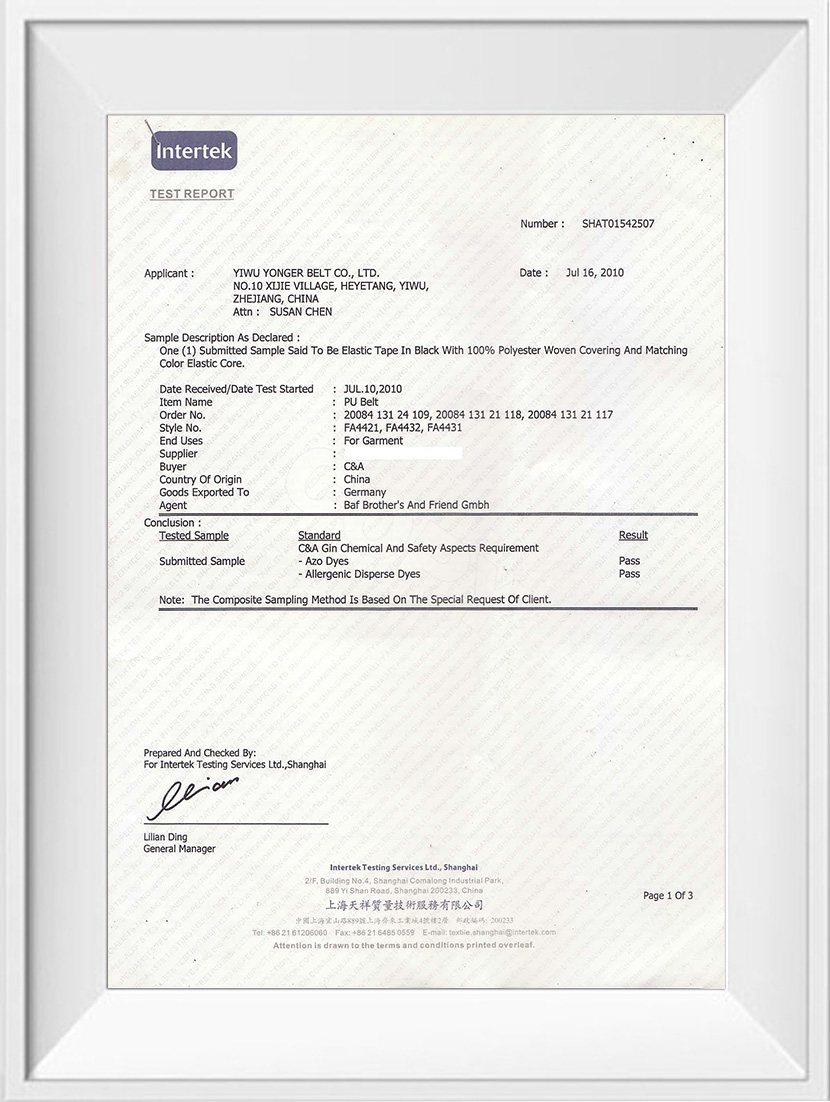
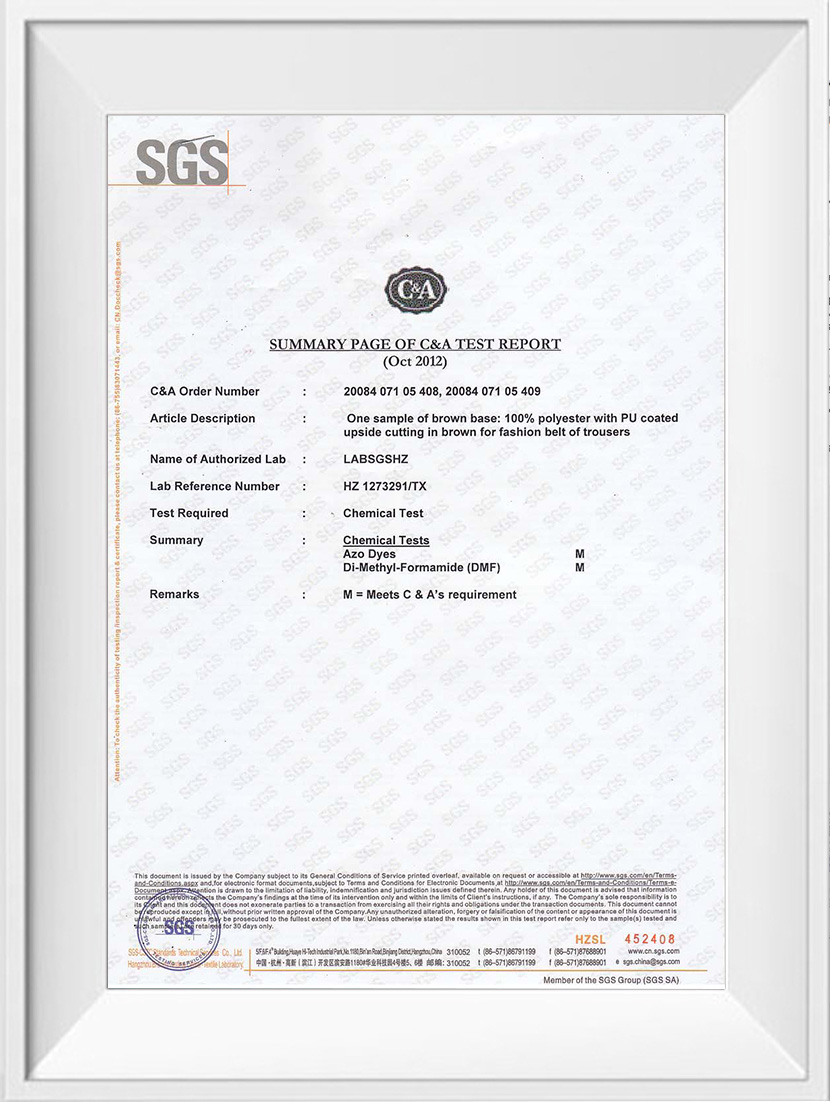
- Chemical safety testing run against regulated substances
Across the apparel accessory industry, terms like Youth Belts, Kids Belt, and children's uniform belts tend to describe fairly similar products, though the actual construction shifts depending on the age group and how the belt gets used.
For younger kids, flexibility and safety come first, plain and simple. Once you're talking about older children and teenagers, though, style, durability, and how well it adjusts start to matter just as much.
Key Product Features of Children’s Belts
Children’s belts require stricter attention to details because the user group is more sensitive to comfort and safety.
1. Child-Friendly Width and Length
Most children’s belts are produced in widths from 1.8 cm to 3.0 cm. This range fits children’s trousers, skirts, uniforms, jeans, and casual pants without looking oversized.
Typical size planning includes:
| Belt Size Range |
Common Use |
Design Focus |
| 1.8–2.0 cm width |
Young children’s pants and skirts |
Lightweight and soft |
| 2.2–2.5 cm width |
School uniforms and casual trousers |
Balanced fit and support |
| 2.8–3.0 cm width |
Youth jeans and outdoor-style clothing |
Stronger appearance and durability |
| 60–90 cm length |
Children and youth apparel |
Adjustable fit by age group |
The belt hole spacing is generally 2.0–2.5 cm, giving enough room for adjustment without weakening the strap structure.
2. Fully Rounded Edges
Rounded edges aren't optional on a children's belt—they're essential. An edge left sharp or unfinished can scratch skin or wear away at clothing over time, neither of which is acceptable on something a child wears daily.
How that edge gets finished depends on the material:
- Leather edges polished smooth
- Edge painting applied
- Heat sealing used on polyester webbing
- Soft binding wrapped around the edge
- Rounded cutting dies used from the start
- Corners near the buckle treated for smoothness
During inspection, the edge really needs to be checked by hand, not just looked at. A belt can pass a visual check and still feel rough to the touch—and if that's the case, it simply isn't right for children's wear.
3. Safe Buckle Construction
The buckle carries more weight than people might assume when it comes to a kids belt. Plastic safety buckles, rounded metal pin buckles, and pinch-proof structures for certain styles all come into play depending on the design.
A buckle that's actually right for children needs:
- No sharp edges anywhere
- A smooth surface finish
- Opening and closing that stays reliable
- Grip that works without needing much force
- A structure that stays light
- A solid, secure connection to the strap
Plastic buckles tend to suit younger kids best, mostly because they're light and simple to operate. Rounded metal buckles show up more in school uniforms, formal outfits, and youth fashion, where the look matters a bit more.
4. Moderate Tensile Strength
Adult belts chase high strength as the priority. Children's belts need a different balance entirely. The strap should hold up fine under normal pulling and everyday movement, but it shouldn't be capable of cinching down too tight either.
Keeping tensile strength moderate supports:
- Comfortable adjustment around the waist
- Less pressure while sitting or running around
- Safer use, particularly for younger kids
- Better fit with lighter garments generally
This matters even more for elastic or webbing styles built into schoolwear and clothing meant for active children.
Common Materials Used for Children’s Belts
Which material gets chosen ends up shaping everything else—safety, comfort, how long the belt lasts, how it looks, and how it holds up under testing.
Chrome-Free Tanned Leather
For premium children's belts, chrome-free tanned leather tends to be the material of choice. Skipping chromium tanning chemicals altogether means a softer, generally safer direction for anything made for kids.
What it offers:
- A natural leather texture
- Durability that holds up through repeated wear
- A good fit for school and dress outfits alike
- Room for embossed cartoon patterns
- Compatibility with colored stitching
On a leather children's belt specifically, the feel should be soft without tipping into weak. The surface needs to resist cracking, and the backing has to feel comfortable resting against clothing all day.
Safety-Grade Polyester Webbing
Polyester webbing turns up constantly in children's belts, largely because it's light, holds color well, and customizes easily.
What makes it work:
- Solid abrasion resistance
- Color that stays stable over time
- Less moisture absorption than a lot of natural fibers
- A good base for printed patterns
- Easy pairing with plastic safety buckles
- A natural fit for school uniforms and casual clothing
Heat sealing can also be applied to polyester webbing to cut down on fraying. For kids' products specifically, webbing density needs picking carefully—too dense, and the strap turns stiffer than it should be.
Elastic Webbing
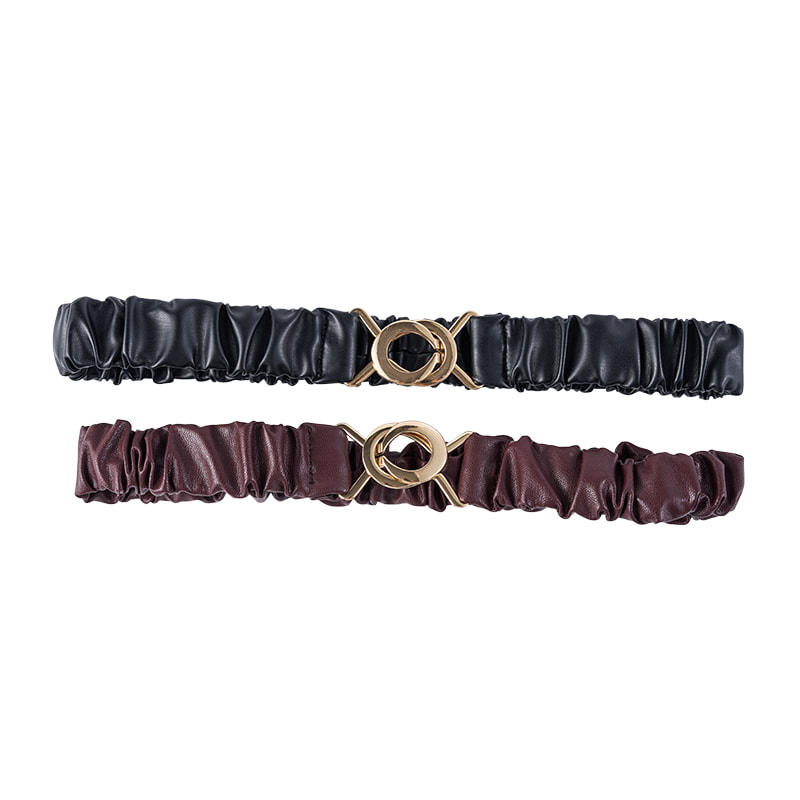
Elastic webbing brings flexibility and comfort to the table, which makes it especially well-suited to younger children, active schoolwear, and any product built around an adjustable waist.
Quality really comes down to:
- How well it recovers after stretching
- A hand feel that stays soft
- Width that holds steady after repeated use
- Stitching that stays secure at the buckle ends
- A surface texture that's gentle on skin
Weak elastic material tends to lose its recovery over time, and once that happens, the belt just starts feeling loose. That's exactly why stretch testing matters so much during development.
Synthetic Leather and Coated Materials
Synthetic leather has its place in colorful fashion belts, holiday outfits, and dressier children's accessories—though it demands careful material selection and testing against restricted substances.
Worth checking closely:
- Softness
- Resistance to surface peeling
- Low odor
- How well it flexes
- Whether it meets children's safety requirements
Style Categories of Children’s Belts
Children's belts can take shape in a lot of different ways depending on whether the collection is aimed at school, fashion, sports, or seasonal wear.
School Uniform Belts
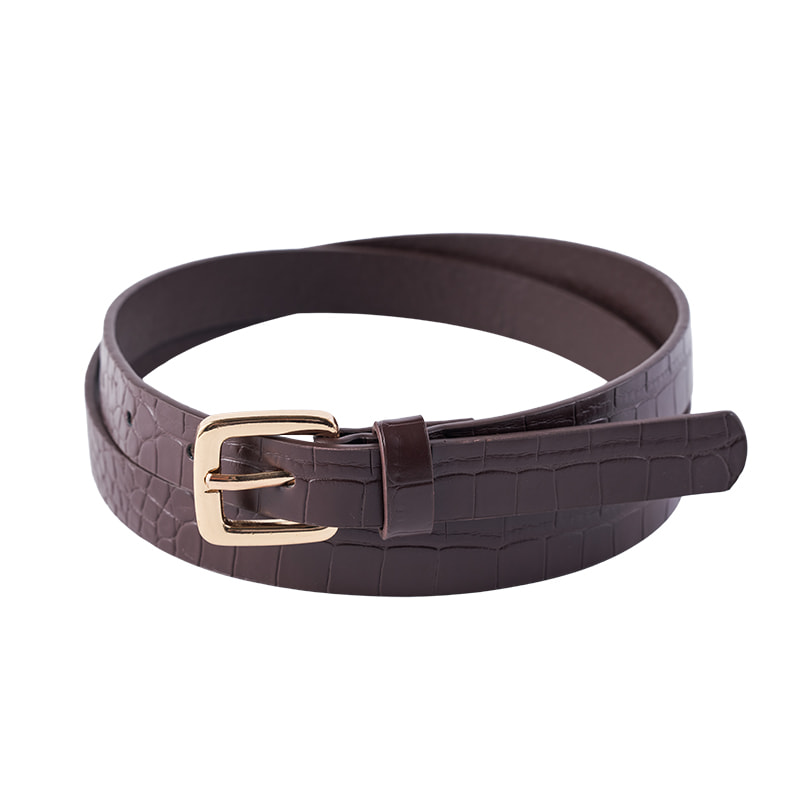
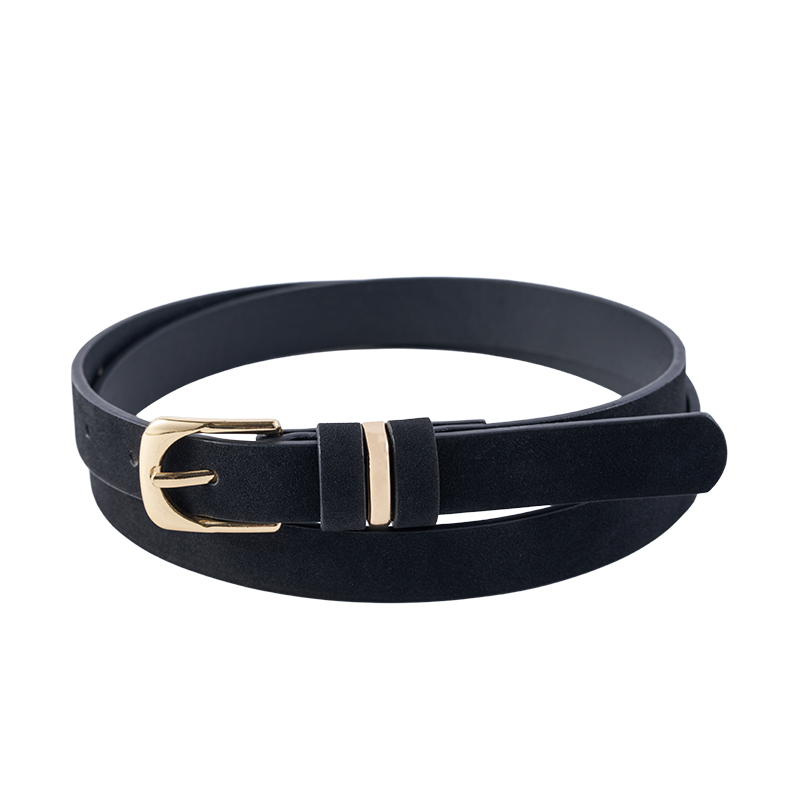
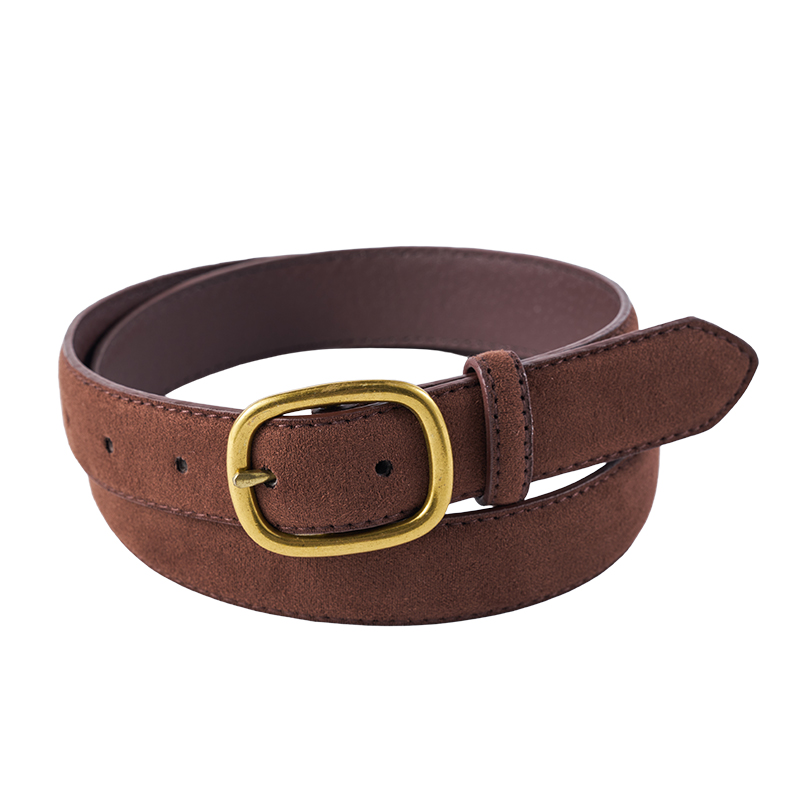
School uniform belts tend to stick to simple colors—black, navy, brown, gray, dark green—paired with either rounded metal pin buckles or plastic safety buckles. What matters most here is durability, comfort, and a look that stays neat day after day.
Casual Kids Belt
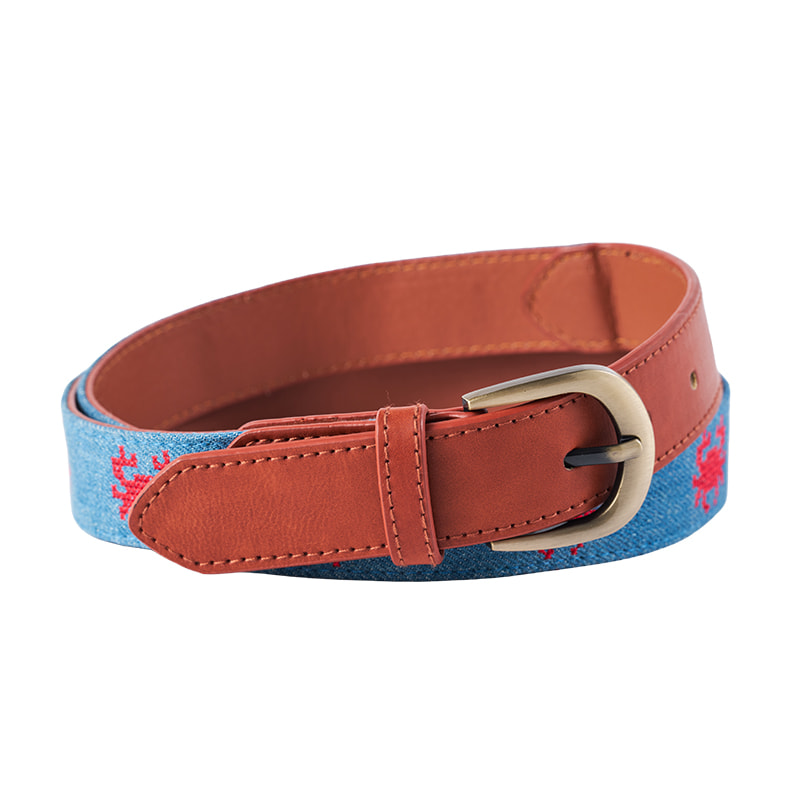
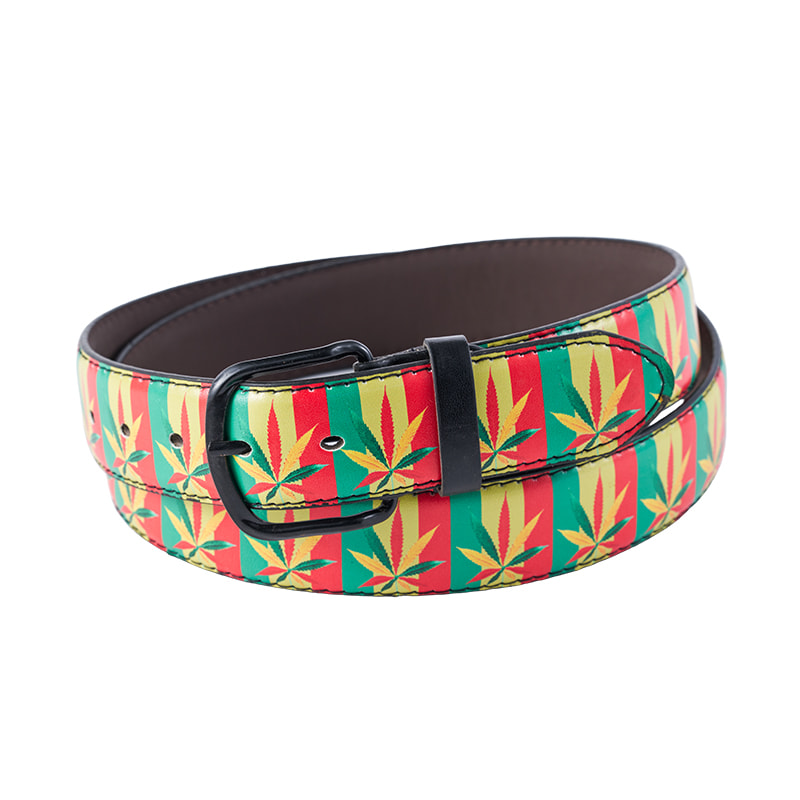
Casual children's belts have more room to play, whether that's colorful webbing, printed patterns, woven textures, or contrast stitching. They fit naturally with jeans, shorts, skirts, and whatever counts as an everyday outfit.
Youth Belts
Youth belts shift toward older children and teenagers, so the look leans a bit more mature—slightly wider straps, sturdier buckles, colors pulled more from current fashion trends.
Holiday and Dress Belts
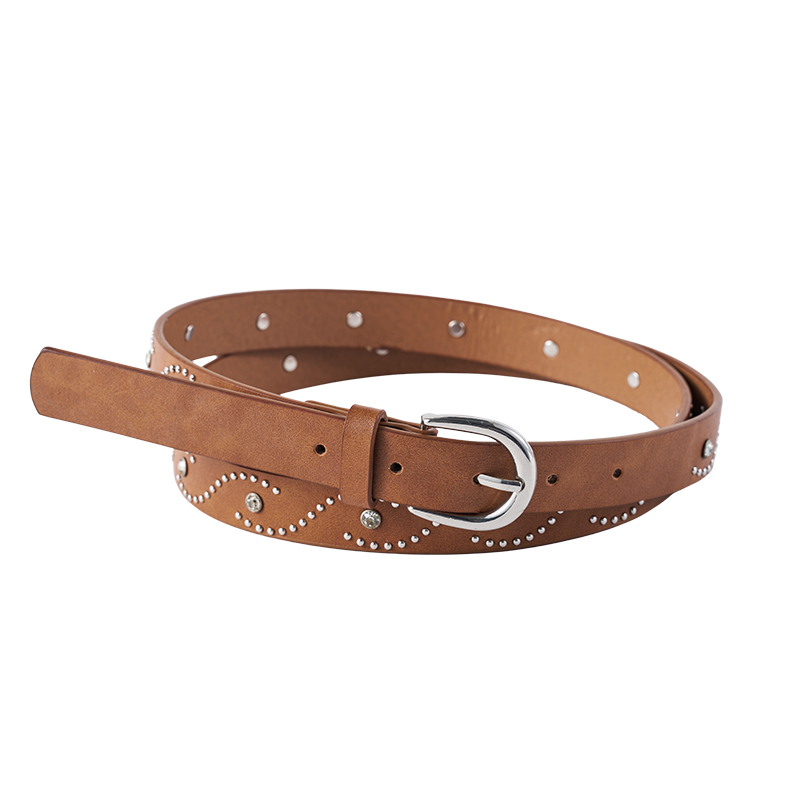
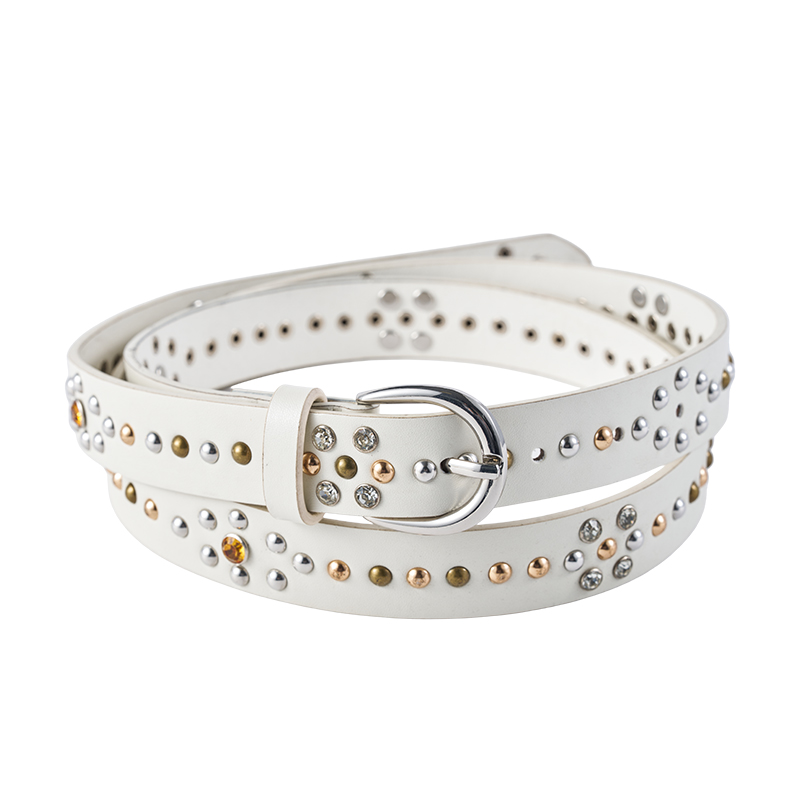
For holiday outfits, belts tend to get more decorative—metallic finishes, bow details, softer leather, printed webbing, playful color combinations. Comfort still can't be an afterthought, since kids often end up wearing these for hours at parties, photos, and family gatherings.
Cartoon Embossed Belts
Cartoon embossing shows up regularly on leather or synthetic leather belts. The pattern needs to stay clear and clearly child-friendly, and it has to hold up against surface wear over time rather than fading or flattening out.
Colored Stitching Belts
Colored stitching is a small detail that goes a long way—it dresses up an otherwise simple children's belt without touching the core structure at all, which makes it a practical way to add style cheaply.
Application Scenarios
Children's belts show up across a surprisingly wide range of apparel and accessory categories, not just one narrow use case.
Where they typically end up:
- School uniforms
- Children's trousers
- Kids' jeans
- Skirts and dresses
- Holiday outfits
- Youth casualwear
- Brand children's wear collections
- Outdoor-inspired children's clothing
- Photo shoot and seasonal styling accessories
For school settings, keeping things simple, comfortable, and durable matters more than anything else. Move into fashion territory, though, and color, texture, and decorative touches start carrying more weight. And when the belt is going on a younger child, easy operation and a pinch-proof buckle design need to come first, ahead of pretty much everything else.
Custom and OEM Manufacturing Capabilities
At Yonger, product development for children's belts covers everything from materials and colors to buckle types, patterns, labels, and how the final product gets presented in packaging.
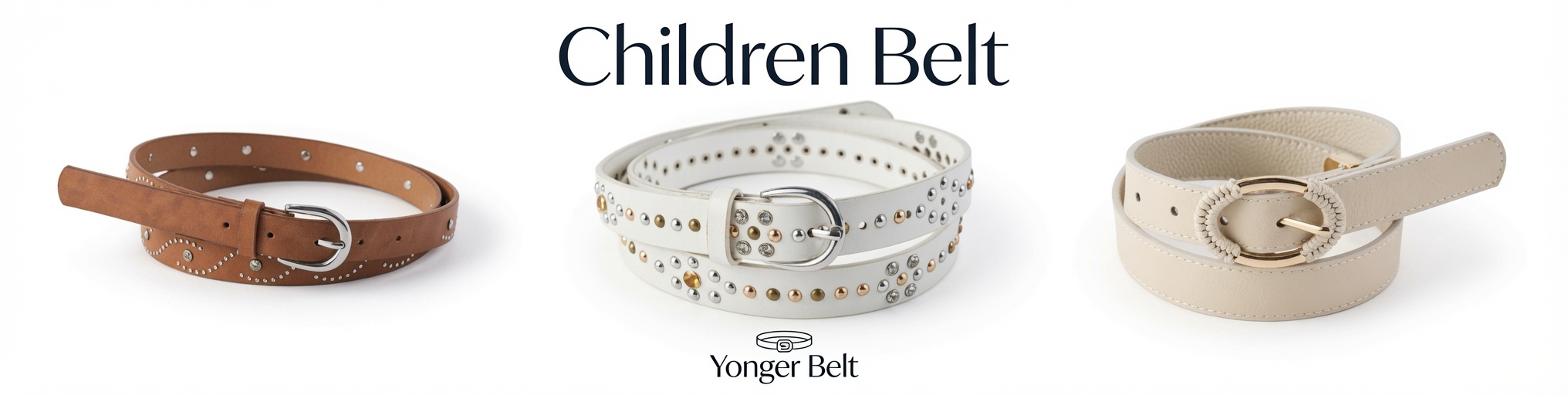
What's available for customization:
- Width ranging from 1.8 cm to 3.0 cm
- Length ranging from 60 cm to 90 cm
- Chrome-free tanned leather
- Safety-grade polyester webbing
- Elastic webbing
- Plastic safety buckles
- Rounded metal pin buckles
- Pinch-proof buckle options
- Cartoon pattern embossing
- Colored stitching
- Printed webbing designs
- Custom strap colors
- Smooth, rounded belt tips
- Brand labels and hangtags
- Size grading by age group
- Packaging built for retail display
Before development gets underway, a few things really need pinning down first—target age range, garment type, buckle preference, safety testing requirements, and the hand feel expected from the finished belt. A belt made for a five-year-old and one made for a teenager shouldn't follow the same design logic at all.
FAQ: Children’s Belts
1. What size is common for children’s belts?
Children’s belts are commonly made in widths from 1.8 cm to 3.0 cm and lengths from 60 cm to 90 cm. The exact size depends on the child’s age, garment style, and belt loop width.
2. What material is safest for a children’s belt?
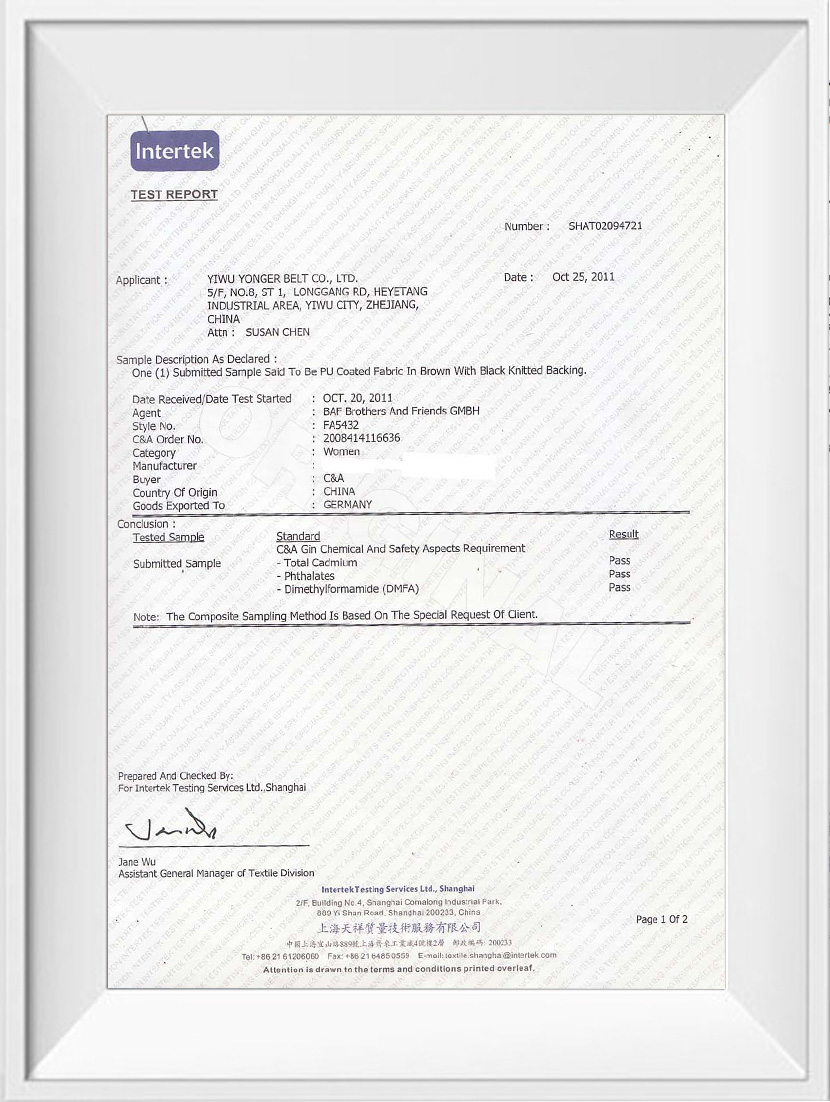
Chrome-free tanned leather and safety-grade polyester webbing are commonly used. The safest choice depends on the final application, but all materials should be tested for relevant restricted substances such as phthalates, cadmium, disperse dyes, and DMF.
3. Are plastic buckles better for young children?
Plastic safety buckles are often suitable for younger children because they are lightweight and easier to handle. For formal or school styles, rounded metal pin buckles may also be used if the edges are smooth and the metal parts meet safety requirements.
4. Can children’s belts be customized with cartoon designs?
Yes. Cartoon pattern embossing, printed webbing, colorful stitching, and custom labels are common design options. These details are useful for children’s wear collections and seasonal apparel programs.
5. What should be checked before selecting a kids belt?
Important points include edge smoothness, buckle safety, material softness, hole spacing, stitching strength, odor, color fastness, and chemical testing. For children’s products, comfort and safety should always come before decoration.
6. Are children’s belts suitable for school uniforms?
Yes. Children’s belts are widely used with school uniforms. For this application, simple colors, durable materials, rounded buckles, stable sizing, and comfortable adjustment are usually preferred.



 English
  русский
  Español
  Deutsch