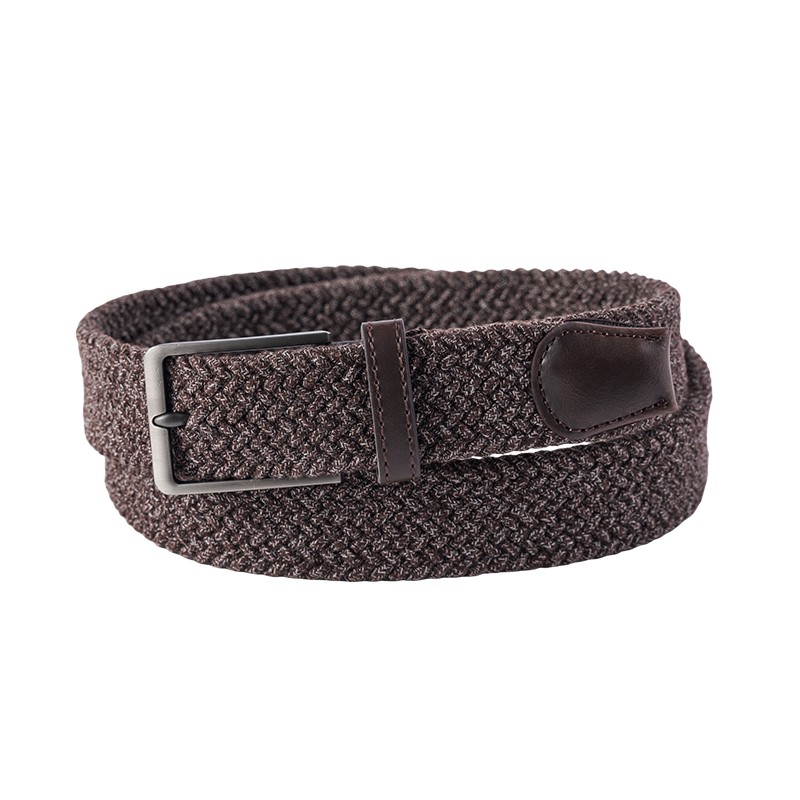
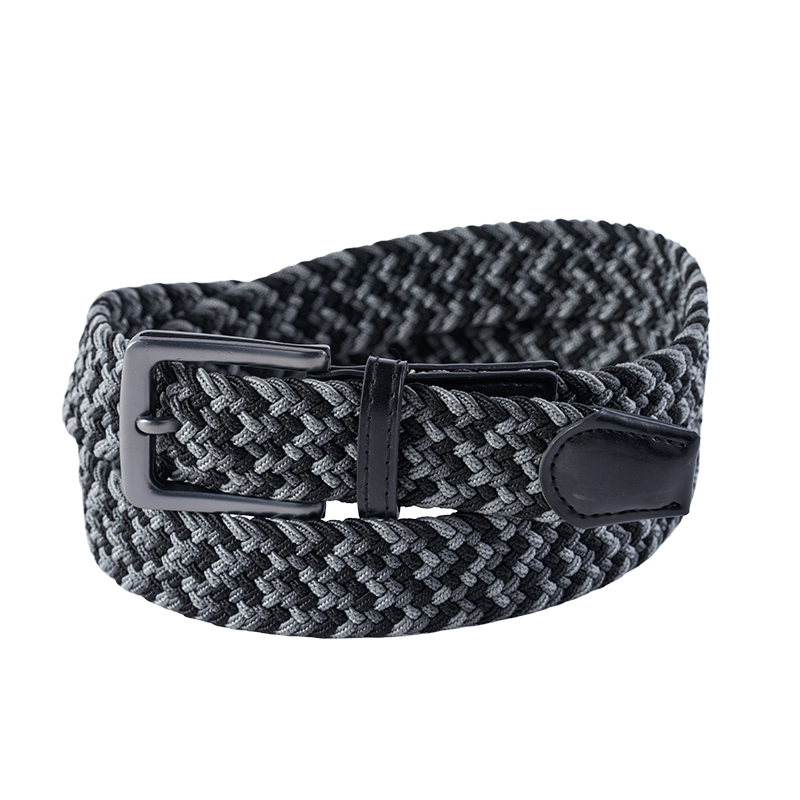
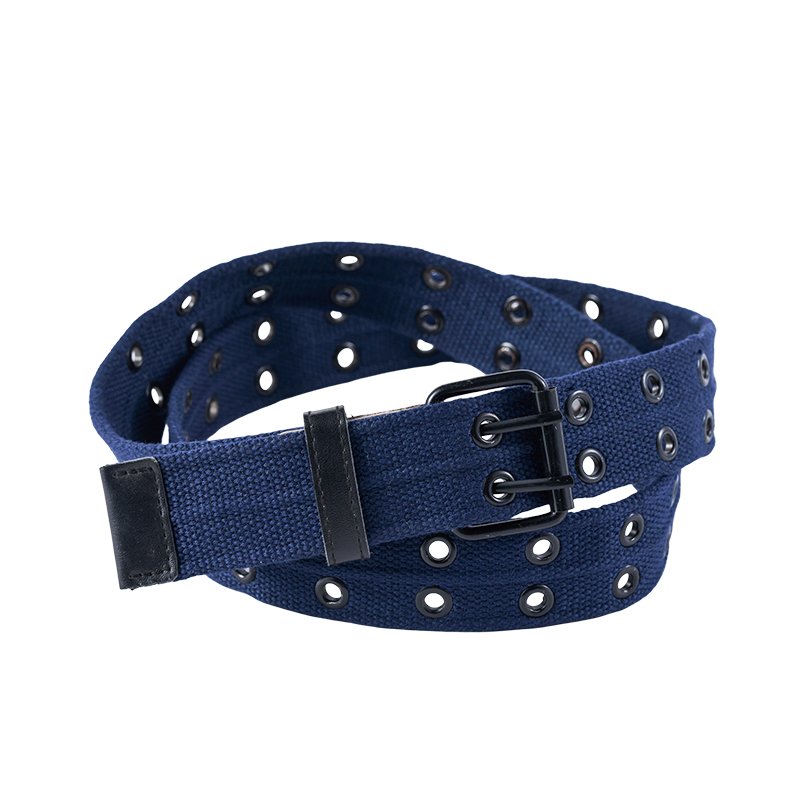
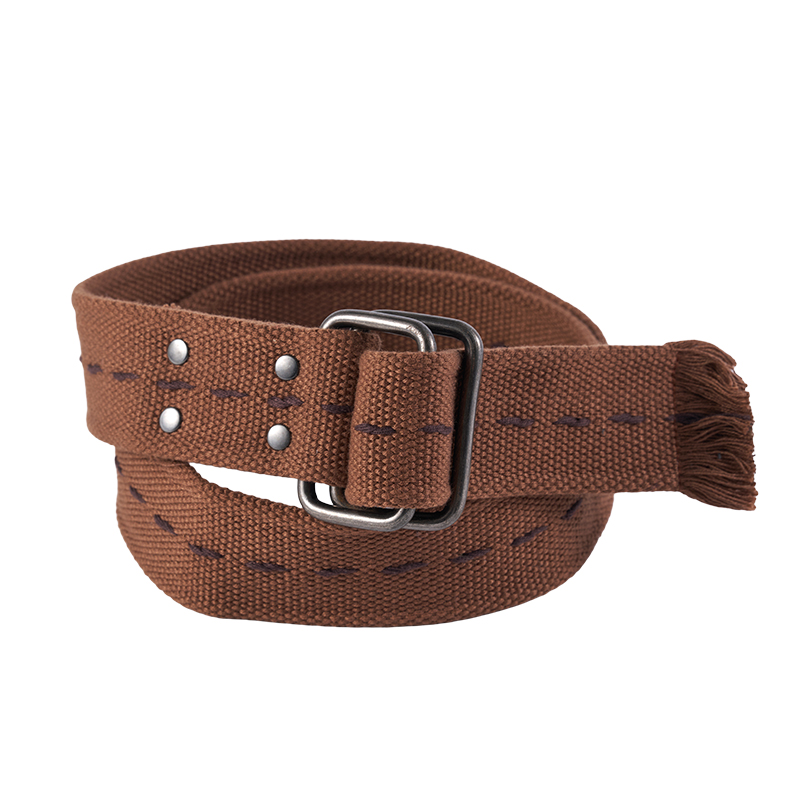
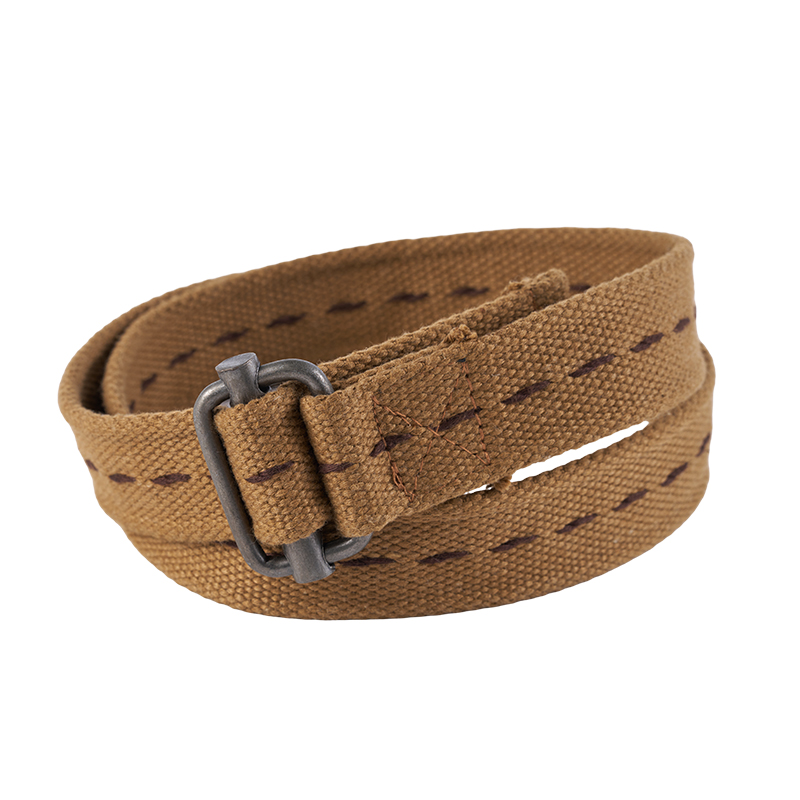
Adjustable Web Belt
Home / Products / Webbing Belts

Webbing Belt

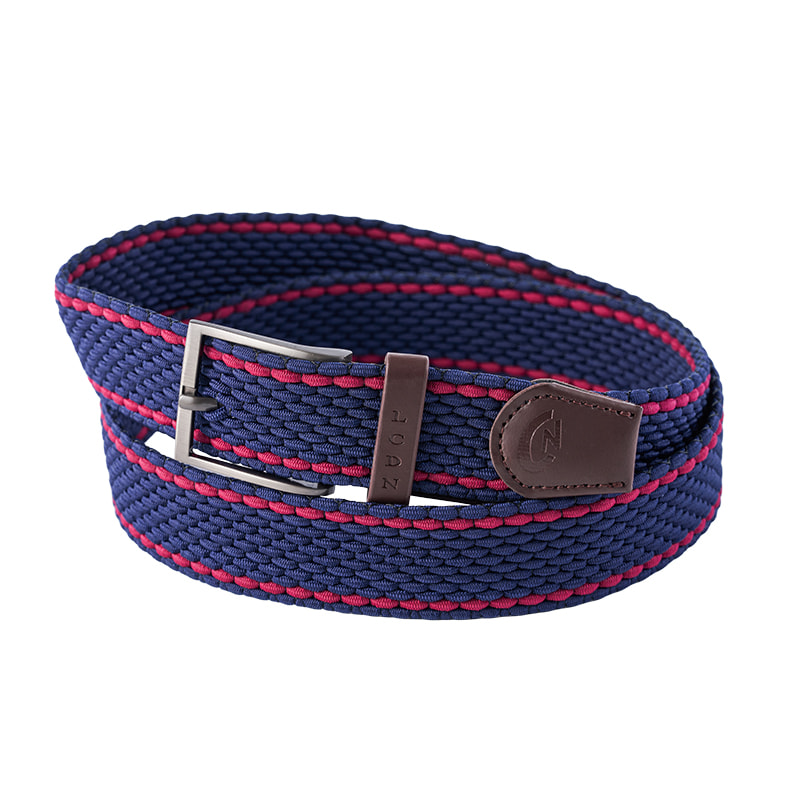
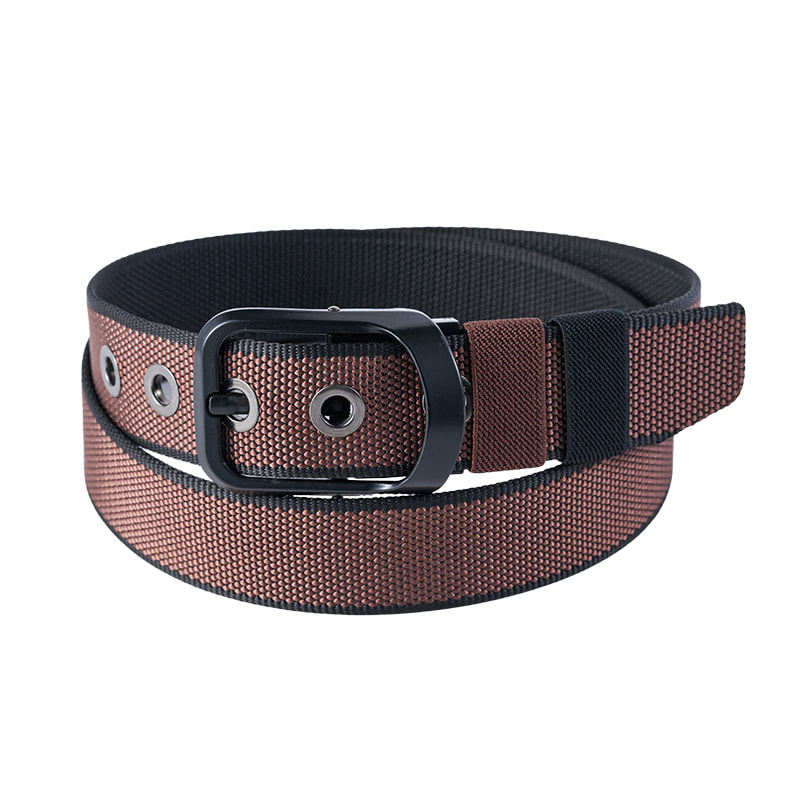
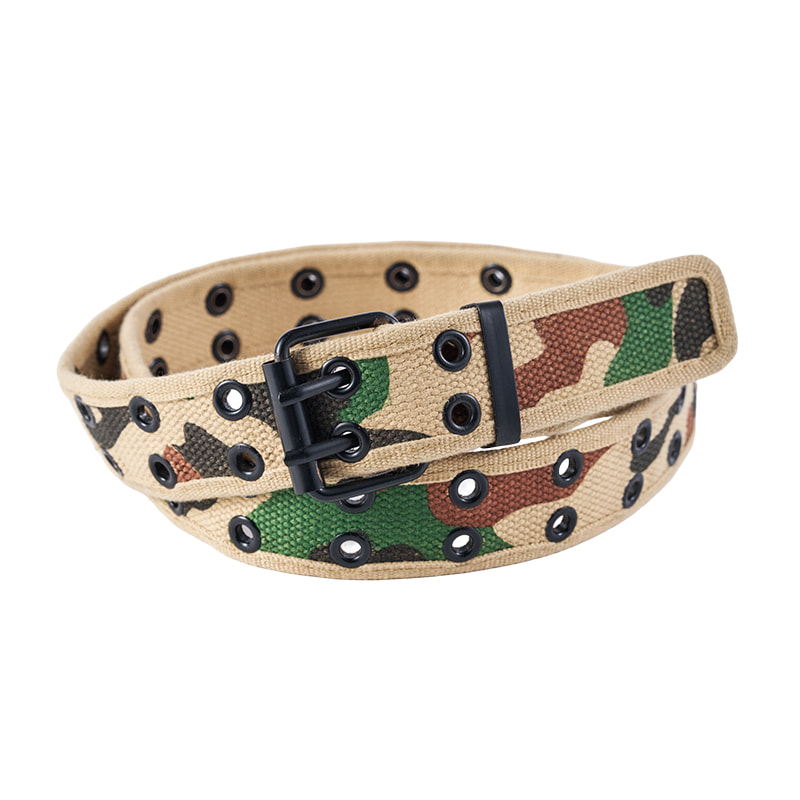
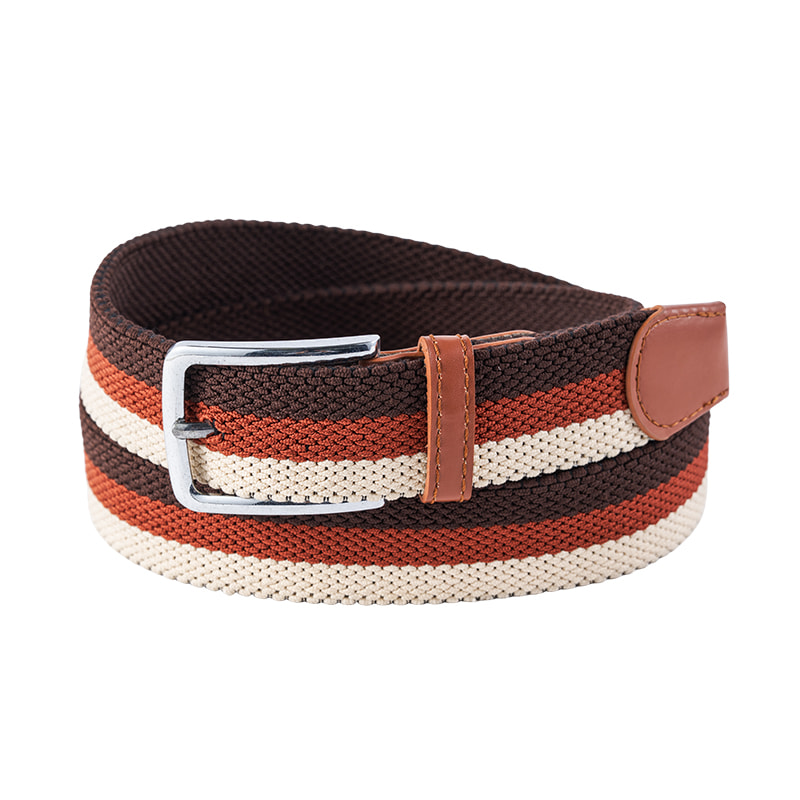
High-tenacity polyester or nylon webbing with minimum breaking strength of 1200N, width 2.5-5.0cm, available in matte or reflective coating. Buckle: injection-molded plastic or metal side-release buckle. Stitching uses high-tenacity polyester thread (double needle lockstitch), wear-resistant. Suitable for workwear, outdoor gear, and casual bag accessories. Factory equipped with automatic webbing cutting machines and metal detectors. Each batch tested for AZO, nickel, cadmium, etc. Supports heat transfer logos, multi-color woven labels, and quick-release buckle customization. Monthly capacity up to 500,000 pieces.

About Us
Yiwu Yonger Belt Co., Ltd.

Yiwu Yonger Belt Co., Ltd. has specialized in manufacturing various fashion leather belts for over 18 years, with a monthly production capacity of up to 500,000 pieces.

Our main markets include Western Europe and North America. We have worked with well-known international brands such as C&A, ORSAY, NEXT, and FOREVER 21.

Our golf belt comply with the latest European standards, including requirements related to AZO, nickel, DMFa, cadmium, phthalates, disperse dyes, and other restricted substances. Quality is our top priority. We carry out strict supervision and inspection throughout the entire production process, as well as piece-by-piece inspection before packaging, to ensure consistent product quality.

As a stretch belt OEM supply manufacturer & supplier with our own factory, we offer competitive pricing and professional service, helping customers expand their markets together with us. With a wide range of designs and styles, we continuously develop new products to keep pace with market trends and seasonal demand. We are committed to working closely with our customers to achieve greater market success.

Certificate Of Honor
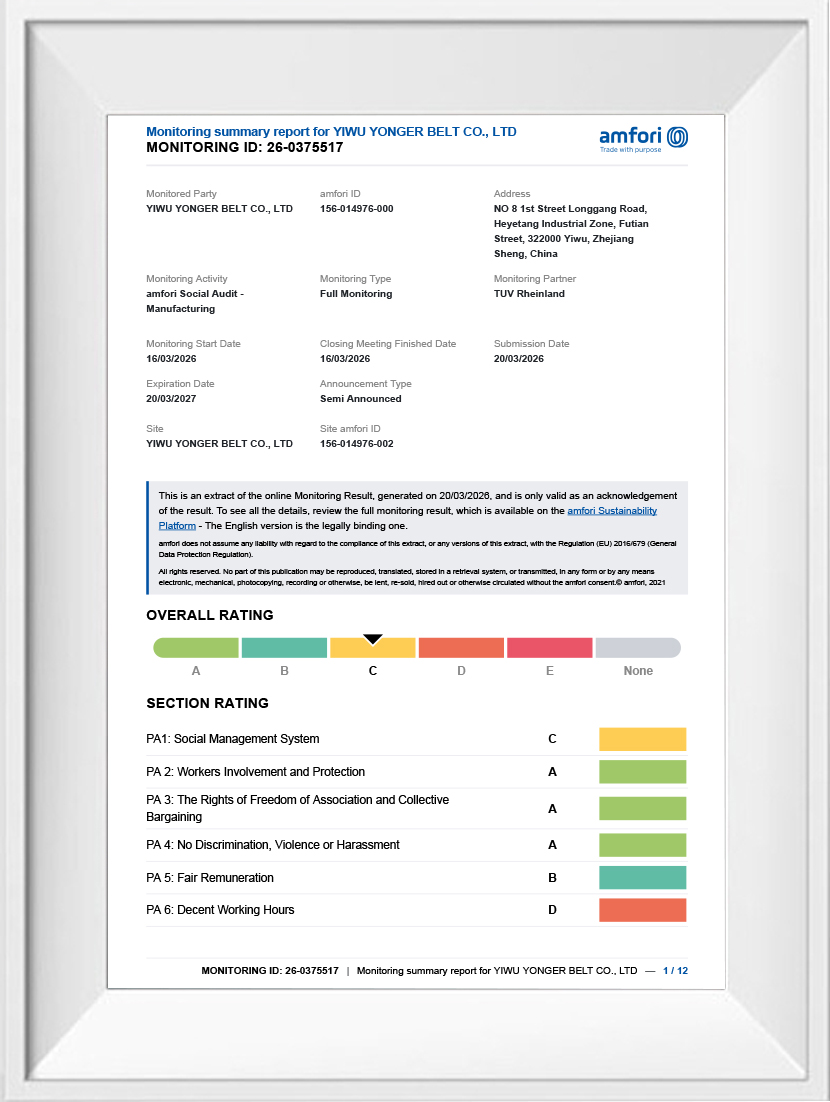
  • BSCI
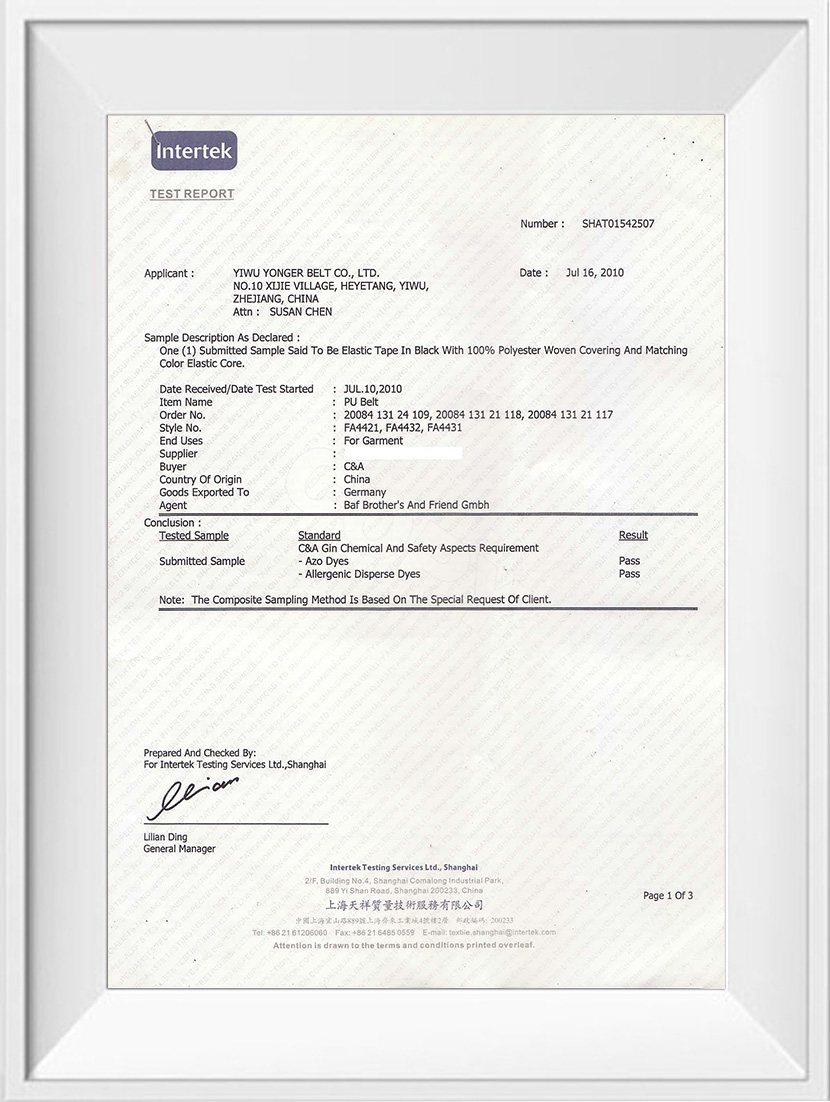
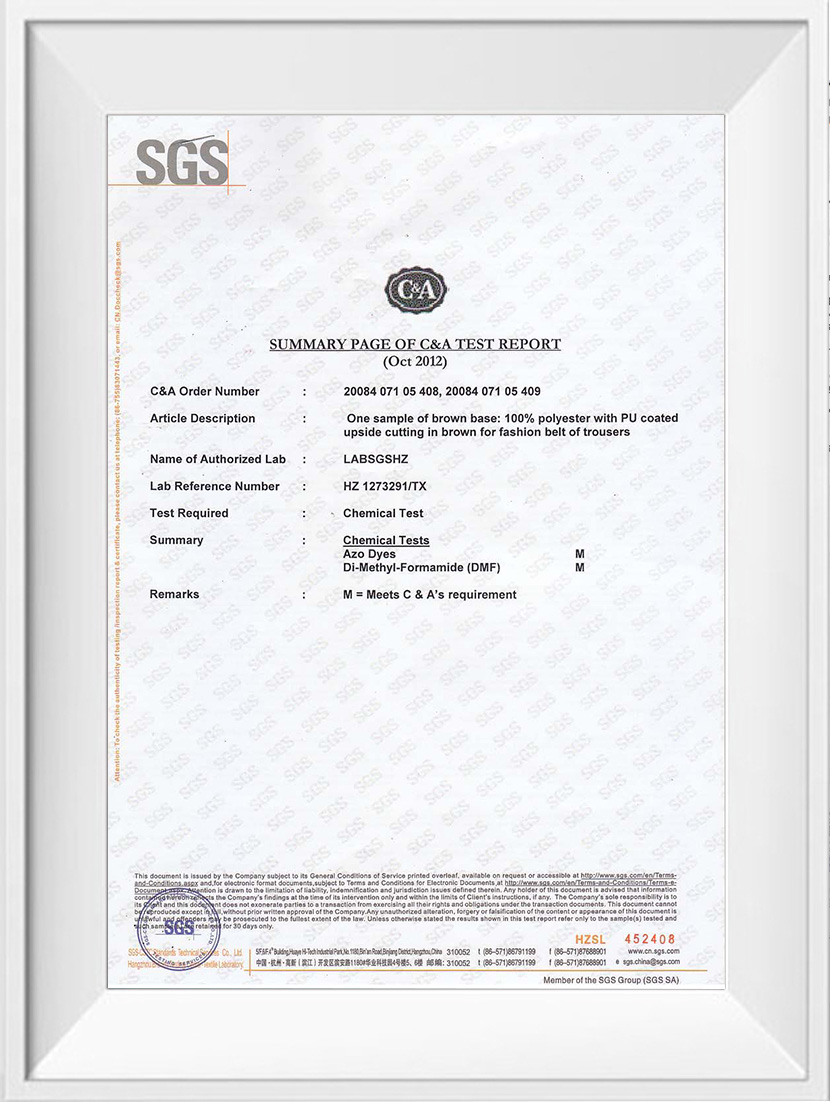
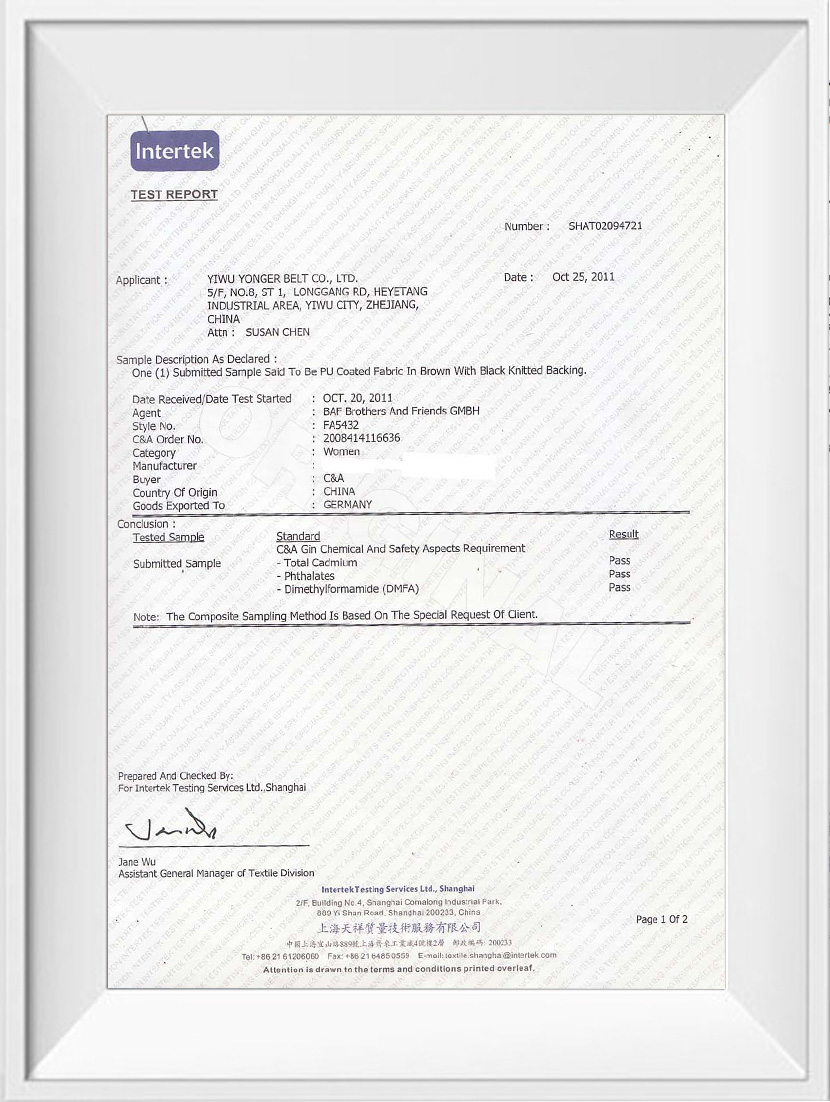
  • Test Report
  • SGS
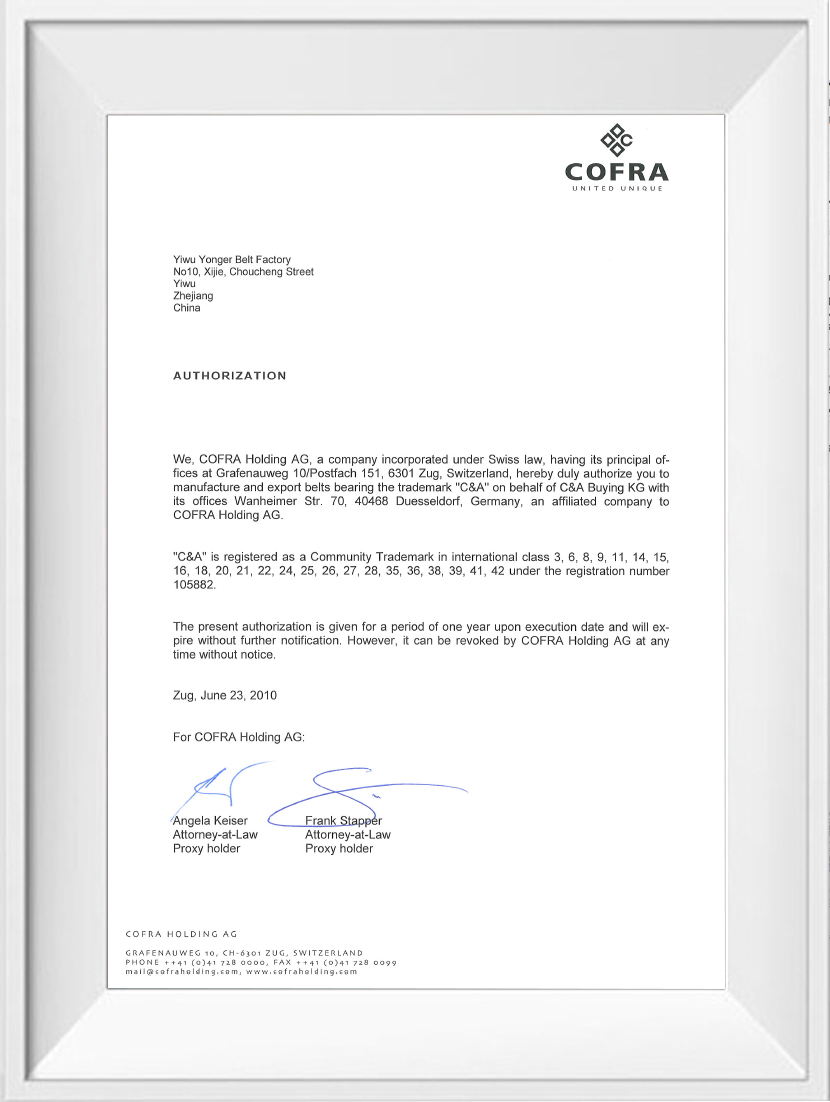
  • Authorization
  • Test Report
News Center
  • A leather belt can seem like a minor accessory at first glance, yet its design actually involves a surprising number of choices that shape how it feels, fits, and works alongside different clothing. The surface texture, strap width, length, buckle style, edge treatment, and construction around the connection points all contribute to the character of the finished piece. For buyers, these same details matter when comparing products across suppliers or preparing a custom order. Two belts can look nearly identical in a photo yet feel quite different once handled, simply because of the leather selection, finishing method, or how the buckle area was put together. Looking at each of these elements on its own terms tends to make product selection a lot clearer, and it helps pin down exactly what needs specifying before production even starts. Which Leather Type Works Well for Men's Belts Leather selection shapes both the look and the handling of a finished strap. Different leather types carry different surface textures, flexibility levels, thicknesses, and responses to daily wear. Rather than treating leather as one uniform category, it helps to think through how each type actually suits its intended use. Some surfaces have a firmer feel and hold a structured shape well, while others feel noticeably softer and bend with less resistance. Surface treatment shifts the visual character too — a smooth finish tends to suit a cleaner outfit, while a more textured surface pairs naturally with casual clothing. When comparing Belt Men Leather products side by side, it helps to weigh appearance against everyday handling. A strap meant for regular casual wear may benefit from a softer, more flexible feel, while one paired with formal clothing usually calls for a cleaner surface and a more restrained overall construction. The reverse side deserves a look too. Its finish affects how the belt sits against clothing and how the material responds to repeated bending over time. Checking both sides rather than just the visible face gives a much clearer picture of what the product actually offers. Leather Consideration What to Look At Possible Use Consideration Surface texture Smooth, textured, or visibly grainy Outfit style and visual character Flexibility How easily the belt bends Frequency of daily wear Thickness Overall feel and structure Casual or formal clothing Finish Matte or more polished appearance Desired visual effect How Should a Men's Leather Belt Be Sized for Daily Wear A suitable size isn't simply a matter of matching the same number printed on a pair of trousers. The actual measurement depends on where the strap sits on the body, how the buckle is built, and where the adjustment holes fall along its length. A practical way to think through sizing is measuring the distance from the buckle attachment point to whichever hole gets used most often during normal wear. The strap should leave enough room for adjustment without forcing an unusually tight or loose fit at either extreme. The buckle itself influences overall length as well. Different buckle structures take up different amounts of space, so two straps sharing the same stated length may not feel identical once worn. This becomes particularly relevant with custom-specified products, where small structural differences can add up. For buyers weighing Belt Men Leather options, size details should get checked alongside buckle design and hole placement together, not separately. A clear, consistent measurement method also cuts down on confusion when communicating specifications to a supplier. It's worth thinking through how the belt will actually be worn too. A strap paired with trousers that sit differently on the waist may call for a different length than one intended for another category of clothing entirely. How Does Belt Width Affect Men's Leather Belt Styling Width changes the visual proportion of a strap and also affects how smoothly it passes through the loops of different trousers. A width that works naturally with jeans might create a noticeably different impression once paired with dress trousers instead. For casual clothing, a slightly more substantial width can complement heavier fabrics and looser silhouettes. Formal clothing generally calls for a cleaner relationship between strap and trouser loops, with the belt sitting naturally rather than bunching or gapping. Width should get considered alongside buckle size too. A narrow strap paired with an oversized buckle creates a different overall impression than a wider strap matched with a compact one. Leather surface and edge treatment shape that final impression further still. When choosing Belt Men Leather pieces for different clothing categories, it helps to treat the belt as a combination of width, buckle, leather, and trouser construction working together, rather than judging width as an isolated feature. A few practical comparisons worth considering before placing an order: Casual trousers — pay attention to loop size and overall fabric weight Jeans — a slightly heavier strap tends to coordinate well with denim construction Formal trousers — a restrained width paired with a cleaner buckle creates a more balanced look Mixed wardrobes — a moderate, versatile design offers flexibility across several outfit types What Makes a Leather Belt Comfortable for Daily Wear Comfort tends to come from a handful of small construction choices working together, rather than any single standout feature. Leather flexibility, strap thickness, edge treatment, buckle shape, and how the strap bends around the waist all play into the overall wearing experience. A strap that feels stiff when new often becomes easier to bend over time, depending on its material and construction. That said, excessive stiffness can make everyday movement feel less natural, particularly during long stretches of sitting. Edges deserve real attention as well. Cleanly finished edges cut down on an unpleasant rough sensation against clothing or skin. The buckle should sit securely too, without creating unnecessary pressure during movement or while seated. The area surrounding the buckle carries particular importance since it absorbs repeated stress throughout regular use. A carefully built connection here helps the piece hold its shape through everyday handling. Comfort-Related Detail Why It Matters Leather flexibility Influences how the strap bends around the waist Strap thickness Changes the feel and structure Edge finishing Affects contact with clothing and skin Buckle shape Influences pressure and movement Buckle attachment Handles repeated bending and pulling Comfort really deserves consideration before appearance gets weighed on its own. Even a visually simple strap can require careful attention to its underlying physical construction. How Do Buckle Designs Change Men's Leather Belts The buckle stands out as one of the most noticeable parts of any strap, and it also shapes how the whole piece gets adjusted day to day. Different designs offer different ways of securing the strap, which changes the overall user experience in small but meaningful ways. A traditional pin buckle relies on holes spaced along the strap for adjustment. This structure feels familiar and lets the wearer pick a position based on available holes. Other buckle styles rely on a different adjustment mechanism entirely and can create a cleaner front appearance as a result. Buckle material and surface finish shape the visual relationship between the metal component and the leather surface too. A restrained buckle supports a formal look, while a more prominent design tends to suit casual clothing better. For Belt Men Leather design work, the buckle really shouldn't be treated as an independent decorative piece. Its size, shape, attachment method, and finish all need to work together with the strap width and leather surface as one cohesive design. When selecting a buckle, it's worth thinking through: How the strap will actually get adjusted Whether the buckle size matches the strap width How the buckle sits against clothing when worn Whether the finish suits the intended clothing category How securely the buckle connects to the leather Why Do Some Men's Leather Belts Develop Creases Quickly Creasing is simply a natural part of how leather responds to repeated bending over time. The waist area sees constant movement, especially through sitting, standing, and shifting posture throughout the day. Where creases appear and how noticeable they become depends on the flexibility of the leather, its thickness, surface treatment, and how often the piece gets worn. A softer strap tends to bend easily but may show shape changes sooner, while a firmer strap often holds its structured appearance longer before visible bending marks show up. Storage habits play a role too. Folding a strap tightly in the same spot repeatedly tends to create a concentrated bend point. Hanging it in a natural position between wears can help spread out pressure rather than concentrating it in one section. Creasing really deserves consideration in relation to intended use rather than getting treated as some isolated flaw. A strap designed for frequent daily movement will naturally show repeated bending as part of normal wear. Care habits matter here too. Cleaning methods should match the specific leather finish, since excessive conditioning or unsuitable products can alter the surface feel over time. Simple, consistent handling habits go a long way toward preserving the original appearance without requiring elaborate maintenance routines. How Can Buyers Compare Leather Belt Samples From Suppliers Purchasing for a business involves more than glancing at overall appearance. Small construction details often reveal whether a sample genuinely matches the requested design or just looks close enough at first glance. The leather surface deserves examination under ordinary lighting conditions. Look for consistency in texture, color, edge treatment, and overall finish across the piece. The strap should also get bent gently to observe how it responds and whether the construction feels even along its full length. The buckle connection is another worthwhile inspection point. Check whether the buckle sits securely, whether the attachment looks neatly finished, and whether the strap stays properly aligned when handled. Measurements deserve checking against agreed specifications too. Width, length, hole placement, and buckle dimensions all shape the finished product and should be reviewed together rather than in isolation. A sample review can follow a fairly simple sequence: Check the leather surface and overall finish Examine strap edges and stitching closely Test flexibility with gentle handling Inspect the buckle and its attachment point Compare physical dimensions against the requested design Confirm whether the sample suits the intended clothing application This kind of hands-on approach gives buyers a far more practical basis for supplier communication than relying on photographs alone ever could. Which Details Matter When Customizing Men's Leather Belts Customization starts with clearly defining every part that affects the finished product. Buyers often arrive with a general design in mind, but production runs a lot more smoothly once each component gets specified individually. Leather type and surface finish should get discussed together, since they shape both appearance and handling simultaneously. Strap width and length then establish the basic shape, while buckle selection determines both adjustment method and how the front of the piece ultimately looks. Color deserves clarification before production begins too. The same general color name can look quite different depending on the leather surface and finishing process used, so a physical sample often provides a clearer reference point whenever consistency really matters. Other details worth specifying include stitching style, edge treatment, hole shape, buckle attachment method, packaging, and placement of any brand marking. These elements aren't purely decorative — they're genuinely part of the product specification. For custom Belt Men Leather orders, a clear specification can be organized in a simple format like this: Design Area Details to Confirm Leather Material type, surface, and feel Strap Width, length, thickness, and edge finish Color Main color and surface appearance Buckle Shape, size, finish, and attachment Adjustment Hole layout or buckle adjustment method Stitching Thread appearance and placement Packaging Individual packing and outer presentation Clear communication at this stage tends to head off misunderstandings between buyer and supplier well before production begins. It also makes later sample review considerably easier, since each physical feature can get checked against the agreed design directly rather than judged on general appearance alone.

    View More
  • Western fashion's always had this strong tie to personal expression, craftsmanship, and a kind of relaxed, easygoing style. Among the various accessories out there, the wide belt's really caught attention because it can shift the whole look of an outfit while adding a bit of character to everyday clothing. A Cowgirl Wide Belt blends traditional western-inspired details with modern styling needs, which is really why it works so well for casual outfits, themed looks, and fashion collections alike. Unlike a plain waist accessory, a wide western belt often carries visual elements that reflect personality in a way basic belts just don't. The buckle shape, surface pattern, material texture, finishing details — all of it shapes how the accessory sits with different clothing styles. From denim pairings to flowing dresses, the right design can pull together a balanced look without making the whole outfit feel overworked. For fashion brands and manufacturers, understanding why customers gravitate toward these belts really means looking past appearance alone. Product design, material selection, production methods, customization options — all of it plays into meeting different market tastes. What Details Make a Cowgirl Wide Belt Stand Out From Regular Belts A belt really isn't only there to hold clothing in place. In fashion, it works as a visual anchor too, tying different parts of an outfit together. The wider structure of a western-style belt creates a stronger presence compared with narrow everyday belts, which is really part of why it draws so much attention in outfit styling. A handful of design details shape the overall look: Belt width and shape — A wider surface leaves more room for patterns, textures, and decorative touches. Designers can use that space to build different visual effects, whether it's a clean, simple style or something more layered and western-inspired. Buckle design — The buckle's usually one of the first things people notice. Shape, finish, decorative touches — all of it shifts the feeling of the whole accessory. Some styles lean toward clean lines, others lean into vintage-inspired detailing. Surface decoration — Embossed patterns, stitching lines, metal accents, textured finishes — these add real depth. They help create a distinctive look while keeping the connection to western fashion intact. Color selection — Traditional shades like brown, black, and natural leather tones get used a lot because they pair well with a wide range of clothing choices. Modern designs sometimes bring in extra colors to keep up with shifting fashion tastes. Compared with basic belts, western wide belts really do put more thought into visual balance. The goal isn't just piling on decoration — it's building something that actually works with the outfit as a whole. Design Element Influence on Style Wide belt structure Creates a noticeable waistline detail Decorative buckle Adds personality to the outfit Textured surface Provides visual depth Stitching details Enhances craftsmanship appearance Why Do Cowgirl Wide Belts Use Statement Buckles and Vintage Details in Their Designs The buckle really carries a strong connection to western-inspired fashion. It often sets the tone for the whole belt's style direction. A larger buckle can create a look that's instantly recognizable, while smaller details help round out the product's overall personality. Vintage details tend to show up a lot because they bring a sense of tradition and craftsmanship along with them. Engraved patterns, aged finishes, metal decorations — these can build a classic feel without needing complicated styling to pull it off. Designers usually weigh a few things when working on buckle details: The buckle should match the belt's material and color Decorative elements should support the design rather than get in the way of wearing it comfortably Size and shape should work across different clothing styles A simple metal buckle, for instance, might suit daily casual outfits just fine, while a more decorative buckle might get pulled out for special occasions or western-themed looks. It really comes down to personal style and whatever atmosphere someone's going for. That blend of traditional detailing and modern fashion sensibility is really what keeps western belts so flexible. They show up comfortably in casual wardrobes, fashion collections, and accessory displays alike. How Does a Cowgirl Wide Belt Add Character to Jeans Dresses and Casual Looks Part of why wide western belts keep pulling attention is how well they work across different types of clothing. One single accessory can leave a totally different impression depending on how it's paired. With jeans, a wide belt slides naturally into that casual western look. Denim paired with leather-like textures tends to create a relaxed feel, which makes the outfit easy to wear day to day. The belt also pulls extra visual focus toward the waist area. With dresses, the effect shifts quite a bit. A wide belt can build contrast between soft fabric and something more structured. Flowing dresses, simple shirts, casual skirts — all of these can pair with western-inspired designs depending on the look someone's after. For everyday outfits, a lot of people lean toward designs that mix easily with what they already own. Neutral colors and moderate decorative touches tend to offer the most flexibility across different wardrobe choices. Outfit Type Styling Direction Jeans and shirts Creates a casual western appearance Long dresses Builds contrast between soft fabrics and structured accessories Skirts and jackets Adds a decorative layer to simple outfits Outdoor casual clothing Provides a relaxed fashion detail When shaping product designs, manufacturers tend to keep these different pairings in mind. A versatile design really helps meet the needs of customers looking for something that works across more than one occasion. Which Cowgirl Wide Belt Features Should Buyers Check Before Making a Purchase Picking a suitable belt really takes more than just liking how it looks. Buyers tend to weigh a handful of practical details before actually committing to a purchase. Size and adjustment options — A comfortable fit really comes down to proper sizing. Adjustable designs tend to offer more flexibility, especially for people pairing the belt with a range of different outfits. Material feel — Material shapes appearance, comfort, and how the belt holds up through daily wear. Buyers often compare texture, flexibility, and finishing details before deciding. Buckle connection — The way the buckle attaches should match up with the belt's overall structure. A well-thought-out connection genuinely improves both look and usability. Edge finishing and stitching — Small production details really do shape the final impression. Clean edges and consistent stitching help the whole piece feel more refined. For retailers and brands, understanding these details helps them pick products that genuinely fit their customer base. What Materials Are Used to Create a Cowgirl Wide Belt Material choice plays a genuinely big role in belt production. Different materials create very different visual effects and wearing experiences. Leather's commonly tied to western-style accessories, mostly thanks to its natural texture and classic look. Depending on what the design calls for, manufacturers might work with different leather finishes to build out different styles. Synthetic materials come into play too, for customers looking for alternative options. They bring their own textures, colors, and design possibilities to the table. Common material considerations include: Texture and surface appearance Flexibility and wearing comfort Compatibility with decorative elements Suitability for different production requirements Manufacturers usually weigh materials alongside design goals together. A decorative buckle, a stitching pattern, an embossed surface — each needs to line up with the chosen material to keep the finished piece feeling balanced. How Are Cowgirl Wide Belts Manufactured From Material Selection to Finished Products The manufacturing process runs through several steps that turn design concepts into actual finished accessories. Each stage really shapes the final look and how usable the piece turns out. The general process tends to run through: Design preparation — Manufacturers confirm product drawings, measurements, colors, and decorative requirements before production kicks off. Material processing — Selected materials get prepared and shaped according to the design structure. Assembly work — Belt sections, buckles, and decorative components get combined carefully into the complete product. Surface finishing — Extra details like patterns, coatings, or decorative treatments get applied according to the design. Quality checking — Finished products get inspected for appearance, structure, and consistency before packaging. For manufacturers, production experience really helps balance design ambitions against practical manufacturing realities. Clear communication between brands and factories matters a lot when developing custom products together. How Can Brands Customize Cowgirl Wide Belt Designs for Different Markets Customization lets brands build products that genuinely match their own style direction and whatever their customers actually want. Different markets tend to carry different expectations around colors, patterns, buckle designs, and packaging. Common customization paths include: Belt color selection Buckle shape and finish Pattern design Size range Packaging style Private label details One brand might lean toward a simple western look, while another might chase something more decorative and fashion-forward. Manufacturers can adjust production plans around whatever design goals and order requirements come through. Customization really isn't only about tweaking appearance, either. It also means picking suitable materials, locking down production details, and building a product that genuinely fits the intended market position. What Custom Options Can Manufacturers Provide for Cowgirl Wide Belt Orders For wholesale and private label projects, manufacturers usually offer different levels of support throughout the ordering process. Clear information really helps both sides land on a product that meets expectations. Before production starts, buyers might need to hand over: Product references or design ideas Preferred materials Size requirements Color preferences Packaging requirements During development, manufacturers might walk through design adjustments, production methods, and finishing details together. That kind of back-and-forth really helps cut down on misunderstandings and keeps production running smoothly. A dependable manufacturing process leans on communication, consistency, and attention to product detail. For brands stepping into western fashion categories, a customized Cowgirl Wide Belt gives them more room to build out their own accessory lineup. The pull toward western-inspired accessories really comes from that connection between traditional design elements and modern clothing needs. Through thoughtful design, suitable materials, and flexible production paths, the Cowgirl Wide Belt keeps working as an accessory that blends style expression with everyday practicality.

    View More
  • An Adjustable Leather Belt is often chosen for a simple reason: it is easier to live with than a fixed-size belt. That idea sounds small, but it changes the whole wearing experience. A belt is not only a strip of leather with a buckle. It has to sit well, hold steady, match different outfits, and still feel comfortable after long hours of wear. When the design is handled well, the user notices the difference without needing to think about it. For a manufacturer, the value sits in details that are easy to overlook at first glance. The way the strap is cut, how the buckle grips, how the surface is finished, and how the belt responds when the body moves all shape the final result. Some people buy a belt for daily wear. Others look for a cleaner look with less visible wear marks. Some need a piece that can adapt across seasons, clothing layers, or changes in waist size. Because of that, the topic is larger than style alone. What Is an Adjustable Leather Belt and How Does Its Flexible Design Work The most direct way to describe this product is as a belt that allows more than one fixed fit. Instead of relying on a single hole pattern, the strap and buckle work together so the user can make smaller changes in fit. That makes the wearing experience feel less rigid. When a person sits, stands, bends, or layers clothing, the belt can still feel steady without pressing too hard. The design also changes how people think about size. A fixed belt often asks the user to adapt to the product. A more flexible belt gives some room for the product to adapt to the user. That difference is small on paper, but it matters in daily use. It can reduce the feeling that the belt is either too tight or slightly loose. There is also a visual benefit. A cleaner adjustment system can make the belt look calm and orderly. For customers who prefer a simple look, that matters as much as the fit. In many cases, the appeal of an Adjustable Leather Belt comes from this balance between comfort and appearance. Why Does Buckle Design Matter for Adjustable Leather Belt Performance The buckle is not only a closing piece. It is the part that decides how the belt feels when it is used. If the buckle grips too harshly, the user may struggle with adjustment. If it feels loose, the belt may not stay where it should. A well-made buckle helps the belt feel secure without making it difficult to handle. A useful way to think about buckle design is to look at three things: grip, ease of movement, and visual balance. Grip affects whether the belt stays in place. Ease of movement affects how quickly the user can adjust it. Visual balance affects whether the buckle suits the rest of the belt and the outfit. When these parts work together, the belt feels natural in use. Buckle Detail What It Changes Why It Matters Grip Strength How firmly the belt holds Helps the belt stay steady during wear Adjustment Feel How smooth it is to change fit Makes daily use easier Surface Shape How the buckle looks on the body Affects the visual finish of the belt Edge Finishing How the buckle feels against clothing Supports comfort and reduces friction For manufacturers, buckle design is also tied to brand identity. A narrow buckle, a flatter shape, or a more structured look can each send a different message. None of these choices is purely decorative. They influence how the product is handled, worn, and remembered. What Materials and Leather Options Are Used in Adjustable Leather Belt Manufacturing Leather choice shapes the final feel of the belt more than many people expect. A smoother surface can create a cleaner appearance, while a firmer body may help the belt keep its shape. A softer feel may suit casual wear, while a more structured strap can work well for a sharper look. The right choice depends on how the belt is meant to be worn. The surface treatment matters too. Some belts are finished to look polished. Others keep a more natural appearance. Each choice brings its own tradeoff. A polished finish may show less visible wear at first. A more natural finish may age in a way that feels honest and familiar. For customers, that can be part of the appeal. For manufacturers, it becomes a question of which look and feel the target market expects. Material Choice Common Effect on the Belt Typical Use Feeling Softer Leather Easier bending and a relaxed look Comfortable for frequent wear Firmer Leather Better shape retention Feels structured and neat Smooth Finish Cleaner surface and simpler appearance Good for dress and office wear Natural Finish More visible texture and character Works well for casual use When material selection is done with care, the whole product becomes easier to live with. An Adjustable Leather Belt depends on this choice because the belt needs to move, hold, and age in a controlled way. How Are Adjustable Leather Belts Made From Material Preparation to Final Production Production starts long before the strap reaches a buckle. The leather has to be reviewed, cut, shaped, and prepared so the final piece will wear evenly. If the strip is too uneven, the belt may twist or sit awkwardly. If the edge work is rough, the product may feel unfinished. These are small details, but they add up quickly. After the strap is prepared, the buckle area is handled with extra care. That section carries a lot of use, so it must be aligned properly and fixed with consistency. The belt also needs clean edge finishing, because edges influence both look and comfort. A well-finished edge is less distracting against clothing and often gives the product a calmer appearance. Manufacturing is usually easier to understand when broken into steps: Prepare the leather and check its surface condition. Cut the strap so the shape stays even along the length. Finish the edges to improve feel and appearance. Set the buckle section with careful alignment. Check the fit, movement, and overall look. Review the final belt for balance and clean presentation. For a manufacturer, this stage is where design becomes something usable. A good concept can still fail if the production flow is rushed. A simple belt needs precision, because users notice unevenness quickly even when they cannot explain it in technical language. How Does an Adjustable Leather Belt Provide a Better Fit for Different Waist Sizes Fit is where the product proves its value. A belt that allows more flexible adjustment can sit more naturally across changes in clothing, posture, and daily movement. People do not keep the same body position all day. They sit through meals, stand for meetings, walk longer distances, or add layers in cooler weather. A belt that adjusts with less effort feels more responsive in those moments. The belt also helps when a user wants a more exact fit without being tied to fixed points. That can be useful for anyone whose waist measurement sits between common hole positions on traditional belts. Instead of settling for "close enough," the wearer can make a more precise change. This is one reason many customers see the product as practical without thinking of it as technical. Another point is comfort across the day. A belt that can shift slightly when needed may reduce pressure during long wear. That does not mean it should feel loose. It means the user can fine-tune it to match the moment. In everyday clothing, that small adjustment can improve how the whole outfit feels. Adjustable Leather Belt vs Traditional Leather Belt What Are the Differences in Daily Use The comparison is not only about appearance. It is also about how each belt behaves in real life. A traditional belt gives a familiar look and a simple structure. An adjustable design gives more room for fine-tuning. Neither choice is automatically better in every case. Each serves a different use pattern. Daily Use Point Adjustable Design Traditional Design Fit Changes Easier to change in small steps Depends on fixed hole spacing Comfort During Movement Can feel more adaptable Can feel more fixed Visual Look Often cleaner and more modern Often familiar and classic Ease of Wear Simple once the user learns it Very familiar for most users Flexibility Across Outfits Useful across changing clothing layers Works well when fit is already known In daily use, the question is often not which belt is simpler in theory. It is which one matches the user's habits. Someone who likes a neat, consistent routine may prefer a familiar structure. Someone who values adjustment and a smoother fit may lean toward a more flexible design. An Adjustable Leather Belt often enters the conversation when comfort and routine convenience matter at the same time. How to Choose an Adjustable Leather Belt Based on Style Comfort and Usage Needs Choosing a belt becomes easier when the buyer looks at use first and style second, rather than treating them as separate decisions. A belt that feels right but looks out of place will sit unused. A belt that looks right but feels awkward will do the same. The product has to fit the person's regular life. A useful way to choose is to check a few points in order: The clothing the belt will be worn with most often. The level of surface texture or polish that feels appropriate. The buckle shape and how it sits with the rest of the outfit. Whether the belt should feel relaxed, formal, or somewhere between the two. How often the user expects to adjust the fit. An Adjustable Leather Belt can suit different wardrobes because it can stay visually quiet or appear more structured depending on how it is made. For office wear, many buyers look for a clean surface and a simple buckle. For casual wear, they may prefer a more visible leather texture. In both cases, the key is not to force the product into a style that does not match the user's habits. What Should Buyers Know Before Ordering Adjustable Leather Belts From a Manufacturer For buyers, the main concern is not only the finished belt. It is whether the manufacturer can repeat the same quality in every piece. Consistency matters because a belt is a daily-use product. If the leather tone, edge finish, or buckle fit changes too much from one batch to another, the customer notices it quickly. It helps to confirm a few practical points before placing an order: What leather appearance and feel are expected. How the buckle should look and operate. Whether the belt should feel formal, casual, or balanced. What kind of finishing is needed around the edges and buckle area. How the product should be packed and presented. Another point is communication. A clear sample or reference can reduce confusion later. Small accessories often look simple from a distance, but they depend on alignment, finish, and handling details. When buyers speak clearly about the desired use case, the result is usually more predictable. The business side also benefits from clarity. A manufacturer who understands the intended audience can adjust the belt style more accurately. That may involve a cleaner buckle, a firmer strap, or a different surface finish. In that sense, purchasing is not just about placing an order. It is about matching the product's behavior to the market it will serve. What Makes an Adjustable Leather Belt Suitable for Modern Daily Needs The reason this product continues to draw attention is that it solves several small problems at once. It supports fit, feels adaptable during wear, and can still carry a simple visual profile. That combination is useful in daily life, where people often want objects that work without drawing attention. It also fits different clothing habits. Some users want a belt that feels stable through a long workday. Others want one that adapts when outfits change across the week. A flexible belt design can support both. That is why the product has room in casual wear, office settings, and gift purchasing. It does not depend on one narrow use case. For manufacturers, this creates a clear product direction. The most useful belts are often the ones that feel ordinary in the best sense: easy to wear, easy to match, and easy to trust. An Adjustable Leather Belt fits that pattern well when the design, material, and production steps all move in the same direction.

    View More
  • A good belt does more than hold denim in place. It changes how jeans sit at the waist, how movement feels through the day, and how complete an outfit looks without drawing unnecessary attention. A poor choice can create slipping, pinching, twisting, or a shape that feels awkward with the jeans it is meant to support. A better choice tends to feel quiet and steady. It works in the background, which is often the point. For many shoppers, the challenge is not finding a belt in general. It is finding one that fits daily routines, different denim cuts, and personal comfort without adding extra fuss. A Women's Jeans Belt needs to handle practical wear, but it also has to fit the visual line of the jeans. That means width, material, buckle shape, and flexibility all matter together rather than separately. Why Does a Women's Jeans Belt Feel Different Even When the Size Looks the Same Two belts can share a size label and still feel very different once worn. The label alone does not tell the whole story. A belt can sit firmer because of the material, softer because of the layer structure, or stiffer because of how it was made and finished. Some of the differences people notice most often include: how easily the strap bends around the waist whether the buckle feels light or heavy whether the edge presses into clothing whether the belt settles naturally after a few hours A softer belt may feel easy from the start, but it can also move more during the day. A firmer belt may feel more structured and stable, but not every wearer likes that feeling. The right balance depends on how the belt is used. Daily wear often asks for something that feels steady without feeling rigid. This is one reason a Women's Jeans Belt should be judged by use, not only by appearance. The look may be the same at first glance, yet the wearing experience can be very different once the belt is looped through denim and worn through a normal day. How Do You Choose the Right Women's Jeans Belt for Different Jean Styles Different jean cuts create different needs. A belt that works with one pair may look or feel less natural with another. The shape of the waistband, the height of the rise, and the space around the loops all influence the choice. A simple way to think about it is by denim shape and visual balance. Jean Style What the Belt Should Do What to Pay Attention To High-waisted jeans Stay neat at the waist and avoid crowding the front Strap length, buckle size, clean line Straight-leg jeans Keep a balanced look without taking over the outfit Moderate width, steady structure Relaxed-fit jeans Add shape without looking heavy Flexibility, comfort, visual proportion Wide-leg jeans Support the waist while keeping the outfit relaxed Smooth finish, subtle buckle, balanced width With high-waisted denim, a belt often becomes part of the visible shape of the outfit. That means the buckle and strap should sit cleanly instead of competing with the rise of the jeans. With straight-leg styles, the belt usually needs to feel simple and direct. With wider denim shapes, the belt should support the waist without making the upper body look crowded. A Women's Jeans Belt does not need to be dramatic to be effective. In many cases, the quietest option is the one that fits the jean style without asking for attention. Which Women's Jeans Belt Width Creates a More Balanced Everyday Look Width changes both comfort and appearance. A narrow belt can look lighter, while a wider belt can feel more present. Neither choice is universally right. The better option depends on the jeans and the wearer's routine. A useful way to think about width is through visual balance: Narrow straps can feel subtle with lighter outfits or slimmer denim. Medium straps often work well for daily wear because they stay visible without feeling heavy. Wider straps can bring more structure, especially when the jeans have a relaxed shape. The belt loops matter too. A strap that is too wide can feel stiff going through the loops or create extra bulk at the waist. A strap that is too narrow may sit too loosely in the loops and shift more during movement. The aim is not simply to choose a width that fits. It is to choose one that makes the whole waistband feel settled. For a Women's Jeans Belt, that usually means a width that moves smoothly through the loops, sits neatly against the denim, and does not disturb the natural line of the jeans. What Should You Check Before Buying a Women's Jeans Belt for Daily Wear Before buying, it helps to look beyond color and buckle shape. Daily wear brings repeated bending, sitting, standing, and walking. That means small details matter more than they might in a quick fitting room test. Here are the points that often matter most: the feel of the strap surface the edge finish the way the buckle is attached the flexibility of the strap whether the belt holds its line without curling The strap should feel smooth enough for regular use, but not so soft that it loses shape quickly. The buckle should feel secure and easy to handle. The edges should be finished well enough that they do not rub or peel too soon. These details are simple, yet they affect comfort over time. Buying Check Why It Matters What You May Notice Later Strap feel Affects comfort and movement Less pinching and less twisting Edge finish Helps the belt wear more evenly Cleaner look over time Buckle attachment Supports daily handling Less loosening and fewer shifts Strap flexibility Helps the belt follow body movement Better comfort while sitting or walking A Women's Jeans Belt chosen for daily use should feel reliable from the start, but it should also look steady after repeated wear. The details that seem small at purchase often become the details people appreciate most later. How Does Leather Thickness Change the Comfort of a Women's Jeans Belt Thickness changes how the belt moves, folds, and settles against the body. A thinner strap usually bends easily and feels lighter. A thicker strap often feels firmer and may keep shape in a more noticeable way. The question is not which one is universally better. The question is which one suits the wearing situation. A thinner belt can be easier for all-day movement. It may feel less restrictive when sitting, especially with jeans that already sit close to the body. A thicker belt can help when the jeans need more structure at the waist, but it may also feel more noticeable during long periods of wear. Comfort is also tied to how the belt surface responds to motion. If the strap bends too quickly, it may twist. If it is too firm, it may feel resistant when the wearer moves. A balanced strap tends to move with the body while still keeping a stable line. For a Women's Jeans Belt, thickness should support the role of the belt rather than dominate it. The right feel is usually the one that becomes easy to forget during the day. Why Do Some Women's Jeans Belts Keep Their Shape Longer Than Others Shape retention depends on more than one detail. Material behavior, edge finishing, buckle weight, and daily handling all have an effect. Some belts stay neat because their structure is stable. Others begin to curl, crease, or shift because they are asked to bend too often or are stored carelessly. Several common reasons affect shape: repeated folding in the same place hanging in a tight loop for long periods exposure to moisture rough handling when threading through loops A well-made strap usually bends in a controlled way. That controlled bend helps it return to shape more easily after wear. A strap that has weak edge finishing may start to curl at the sides. A belt that is stored folded too tightly can develop marks that are hard to smooth out later. Daily habits matter too. Taking the belt off carefully, laying it flat, and avoiding unnecessary pressure can help it hold its form longer. That is one reason shape retention is not only a product issue. It is also a use issue. A Women's Jeans Belt that keeps its shape can make daily dressing easier because it stays predictable. The wearer does not need to keep adjusting it or worry about visible distortion. What Makes a Women's Jeans Belt Match High Waisted and Wide Leg Jeans More Naturally High-waisted and wide-leg jeans ask for a different visual balance than slimmer denim. Because the waist is more visible, the belt becomes part of the outfit structure. It should support the shape of the jeans instead of interrupting it. With high-waisted denim, the belt often sits near the narrowest part of the body. That means the strap and buckle should feel tidy. A large buckle can work in some looks, but a cleaner shape often feels more natural for everyday wear. The goal is to keep the line smooth. With wide-leg jeans, the outfit already has volume. A belt can help define the waist, but it should not create extra heaviness at the center. A balanced width and a stable strap usually work better than a strap that feels too bulky. Color also changes the result. A belt that is too close to the jeans may blend in quietly. A belt with more contrast may stand out more clearly. Neither approach is wrong. It depends on whether the wearer wants the belt to blend into the outfit or lightly define it. A Women's Jeans Belt that matches these styles well usually shares a few traits: it is easy to thread, visually steady, and shaped in a way that supports the waist without making the outfit feel crowded. How Can Simple Care Tips Help a Women's Jeans Belt Stay in Good Condition Longer Care is part of design in practice. Even a well-made belt can wear unevenly if it is handled roughly or stored in a cramped place. Simple habits often make a clear difference. A practical care routine may include: wiping the surface gently after wear keeping it dry avoiding sharp bends storing it flat or hanging it loosely keeping it away from unnecessary pressure Moisture can change how a strap feels and how the edges age. Dust and daily contact can also affect the surface. When the belt is cleaned lightly and stored with some space, it usually keeps a cleaner line. It also helps to rotate use. Wearing the same belt every day without rest can place stress on the same bend points and buckle areas. Giving the strap time to recover between wears can reduce visible wear. A Women's Jeans Belt does not need complicated care. It usually responds well to steady, ordinary handling. That makes it a practical accessory for regular denim wear, especially when the wearer wants comfort without extra maintenance. In daily use, the right belt feels simple because the details were chosen carefully. Fit, width, material, shape, and care all work together. When those parts stay in balance, the belt does its job quietly and the jeans keep their intended line.

    View More
  • In 2026, the children’s belt market is increasingly shaped by upgraded safety requirements, international compliance standards, and creative, playful designs. For children’s accessories, safety remains the core priority, covering restricted substances such as lead, cadmium, phthalates, and other regulated chemicals, as well as mechanical safety requirements designed to reduce choking and injury risks.   At the same time, children’s belts are becoming more design-driven. Rainbow gradients, cartoon prints, sparkling details, Velcro closures, and adjustable buckles make products more appealing and practical for different age groups. Skin-friendly materials, eco-conscious fabrics, and lightweight hardware are also preferred, providing comfort, durability, and everyday usability.   As parents pay closer attention to both safety and appearance, compliant, comfortable, and child-friendly belts are becoming an important growth category in the global kids’ accessories market.

    View More
Webbing Belts Industry knowledge

Webbing Belts: Durable, Adjustable Strap Belts for Workwear, Outdoor Gear, and Everyday Accessories

Webbing belts are built from woven strapping—polyester, nylon, elastic yarn, or blended textile—rather than leather. That construction makes them lighter, easier to flex, and quicker to adjust than a traditional belt, which is part of why they tend to hold up well under active, everyday use. Brands working in workwear, outdoor gear, golf accessories, travel bags, casual fashion, or uniform programs often find webbing belts strike a good balance between how long they last, how comfortable they feel, and how much room there is to play with design.

At Yonger, webbing belts get made with high-tenacity polyester or nylon, reinforced stitching, and buckle systems that get checked before anything ships. After more than 18 years in belt manufacturing, one thing has become clear: a textile belt is never just a strap paired with a buckle. What actually determines the final product is yarn strength, how tightly the webbing is woven, how precisely it's cut, the quality of the stitching, whether the buckle is genuinely safe to use, how consistent the color turns out, and whether the materials clear chemical compliance standards.

What Is a Webbing Belt?

A webbing belt is essentially an adjustable strap made from flat, woven material rather than leather. That strap usually comes from polyester, nylon, cotton blend, elastic yarn, or knitted textile construction, and it pairs with all sorts of hardware—plastic buckles, metal buckles, side-release buckles, D-rings, slider buckles, clamp buckles, or quick-release mechanisms, depending on what the belt actually needs to do.
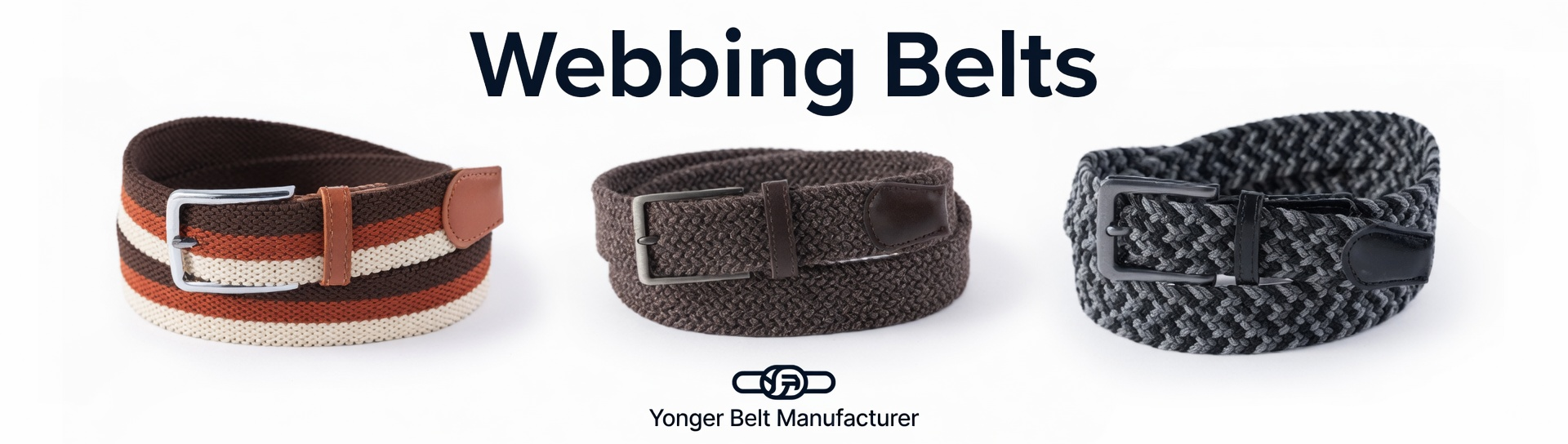
Webbing belts

Compared to leather, webbing tends to get picked for reasons like:

  • A lighter feel overall
  • Easier adjustment
  • Better resistance to everyday wear and abrasion
  • Drying out fast after getting wet
  • A more sporty or utility-driven look
  • Working well with printed, woven, or reflective detailing

Within the broader belt and accessory world, webbing shows up well beyond just waist belts—it's just as common as functional strapping on bags, luggage, uniforms, sports gear, outdoor equipment, pet accessories, and modular gear systems where a strap needs to be light, adjustable, and durable all at once.

Main Product Features of Webbing Belts

A qualified webbing belt should perform well in strength, comfort, appearance, and long-term usability. The details below are often checked during product development and production inspection.

1. Strong Webbing Structure

Depending on the material and design chosen, Yonger webbing belts use high-tenacity polyester or nylon that can hold a minimum breaking strength of 1200N—strong enough to hold up across workwear, outdoor gear, casual bags, and regular daily wear.

Getting the webbing right comes down to a handful of factors:

  • What yarn material is used, and at what denier
  • How densely it's woven
  • How stable the edges stay over time
  • Thickness and how it actually feels in hand
  • Whether it stretches or holds firm
  • How well it resists abrasion
  • How well the color holds up over time

A tightly woven strap resists fraying and holds its shape better than a loosely woven one. That's part of why nylon and polyester dominate in outdoor and utility applications—they simply outperform most natural fibers when it comes to strength and standing up to moisture.

2. Adjustable Width Range

Typical width options are 2.5 cm to 5.0 cm, covering casual fashion belts, children's belts, tactical-style straps, workwear belts, and bag accessory straps.

Common width choices include:

Width Typical Use Design Character
2.5–3.0 cm Casual belts, children's belts, light accessories Slim and flexible
3.2–3.8 cm Everyday web belts, golf belts, travel belts Balanced comfort and support
4.0–5.0 cm Workwear, outdoor gear, equipment straps Stronger visual and functional presence

The width should match the buckle opening, belt loop size, and intended wearing scenario.

3. Matte or Reflective Surface Options

Webbing can be finished in a few different ways—matte coating, reflective coating, printed logos, jacquard patterns, or edges done in a contrasting color.

  • Matte webbing keeps things understated, which suits uniforms, golf belts, and more casual collections well.
  • Reflective coating adds visibility where it actually matters—outdoor gear, cycling, workwear, anything safety-related.
  • Patterned or knitted textures bring more style into play, especially useful for knitted belts and stretch belt designs aimed at fashion.

4. Reliable Buckle Systems

The buckle isn't just a finishing touch—it shapes how the belt actually functions day to day. Yonger works with injection-molded plastic buckles, metal side-release buckles, standard metal buckles, quick-release buckles, slider adjusters, and other functional hardware types.

Materials typically used include:

  • Injection-molded plastic: light, resists corrosion, holds up well outdoors or while traveling
  • Zinc alloy or iron: sturdier build, tends to look more premium
  • Side-release buckle: opens and closes quickly, common on utility belts and bag straps
  • Quick-release buckle: built for one-hand operation when fast adjustment matters

When it comes to metal hardware, keeping nickel release and cadmium levels under control isn't optional—it's a real quality checkpoint, particularly for markets where accessory safety rules are strict.

Common Materials and Manufacturing Processes

Making a webbing belt well comes down to keeping materials consistent and workshop processes stable. Even small deviations—slightly off webbing width, a buckle that doesn't quite fit, stitching tension that's inconsistent—end up affecting how the belt looks and how it holds up.
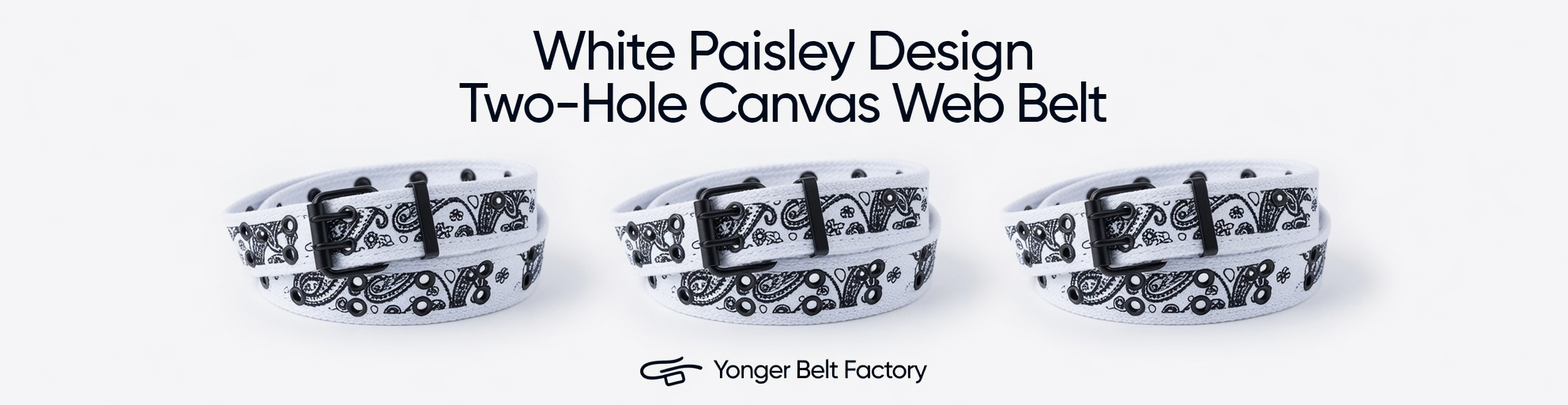
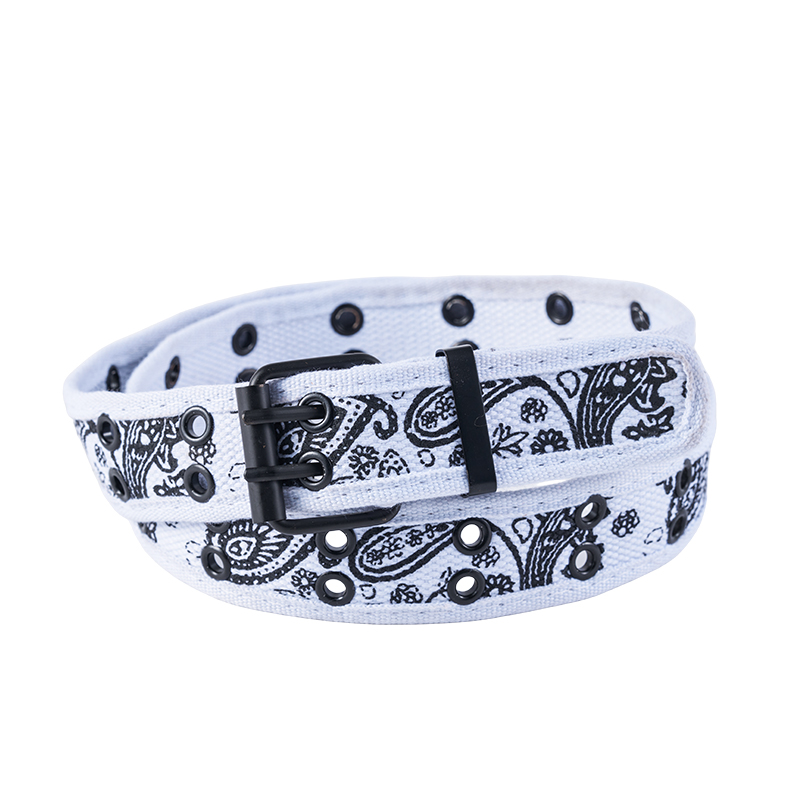
White Paisley Design Two-Hole Canvas Web Belt

Polyester Webbing

Polyester shows up in webbing belts more than almost any other material, largely because it holds its shape well, doesn't absorb much moisture, and keeps color looking consistent over time.

What it brings to the table:

  • Resists stretching and shrinking well
  • Holds color over time
  • Works well with heat transfer logos
  • Sits at a solid middle ground between price and performance
  • Takes matte and reflective finishes well

Because of all that, polyester tends to be the default choice for workwear belts, casual belts, bag straps, and promotional accessory pieces.

Nylon Webbing

Nylon has a reputation for being tough yet still flexible, with a hand feel that's noticeably smoother—which is part of why it performs so well in outdoor and active-use products.

What sets it apart:

  • High tensile strength
  • Strong abrasion resistance
  • Flexible and comfortable against the body
  • Well-suited to sport, travel, and outdoor gear

One thing worth noting: nylon absorbs more moisture than polyester does, so that's worth factoring in during finishing and when deciding what the belt is actually meant for.

Elastic and Stretch Webbing

Stretch belts get their give from elastic yarn woven right into the webbing itself, which is why they turn up so often in golf belts, travel belts, children's belts, and casual fashion pieces.

The upside includes:

  • More comfortable movement at the waist
  • A fit that adapts across different body types
  • Works whether you're active or sitting for long stretches
  • Compatible with both woven and braided textures

Elastic recovery is one area that really needs testing before anything ships. Weak elastic material tends to lose its snap after enough stretching, and once that happens, the belt just doesn't fit right anymore.

Stitching and Sewing

For a lot of webbing belt styles, Yonger relies on high-tenacity polyester thread and double needle lockstitch construction, which strengthens the seam and helps keep stress points from tearing.

What matters most here:

  • Stitch density
  • Thread strength
  • Needle size
  • Reinforcement where the buckle attaches
  • Clean trimming
  • Even alignment along the edges

For belts built for heavier use, adding reinforced bar tacks or extra stitching is often worth the trade-off.

Cutting, Edge Finishing, and Inspection

Automatic webbing cutting machines keep belt length accurate and cut down on uneven edges, while heat cutting helps limit fraying on synthetic webbing.

Metal detectors run during inspection to catch contamination risk—broken needles, stray metal fragments, that kind of thing. Depending on the material and where the product is headed, batches can also be tested for restricted substances like AZO, nickel, cadmium, DMFa, phthalates, and disperse dyes.

Style Categories of Webbing Belts

Webbing belts can go in a lot of different directions, from straightforward uniform straps all the way to colorful fashion pieces.

Adjustable Web Belt

An adjustable web belt skips fixed holes entirely, letting the wearer size it however fits best—which makes it a practical fit for casualwear, uniforms, travel, and outdoor use. The buckle itself might rely on a clamp, a slide, or a friction-lock mechanism, depending on the design.

Knitted Belts

Knitted belts get their softer, more decorative look from a textured textile construction, which tends to suit casual outfits, resort wear, and golf styling particularly well. That same knitted structure often adds a bit of stretch too, which only helps with comfort.

Golf Belt

Golf belts usually bring together stretch webbing, clean color choices, and lightweight buckles for a look that stays casual but still feels put-together. Comfort matters more here than in most styles, simply because the belt needs to move naturally through a swing.

Stretch Belt

Stretch belts are built around flexibility and comfort against the body, which makes them a good match for children's wear, travel clothing, outdoor trousers, and more relaxed casual pieces generally.

Reflective Webbing Belt

Reflective webbing belts make sense for workwear, cycling, outdoor walking, and any accessory leaning into a safety-driven look. Depending on what the design calls for, that reflective element can come from tape, yarn, or a coating applied to the webbing itself.

Utility and Quick-Release Belt

These belts are built with function as the priority. Side-release buckles, quick-release buckles, and tougher nylon webbing show up often here, and the style tends to land in workwear, tactical-inspired fashion, bags, and outdoor equipment.

Application Scenarios

What makes webbing belts so adaptable is that they don't force a trade-off between strength, comfort, and design—all three can coexist in the same strap.

That versatility shows up across:

  • Workwear and uniforms: durable straps, buckles that hold up under daily use, adjustment that stays simple.
  • Outdoor gear: nylon or polyester webbing chosen specifically for how well it resists abrasion.
  • Golf and sportswear: stretch webbing paired with buckles kept deliberately light.
  • Casual fashion: woven patterns in color, matte buckles, and decorative labeling where style takes priority.
  • Bag accessories: adjustable straps, side-release buckles, and stitching reinforced where it matters most.
  • Children's accessories: lighter materials, edges kept smooth, and buckle choices leaning toward safety.
  • Travel products: metal-free buckles sometimes make sense here, built around airport-friendly use.
  • Related strap products: the same weaving and sewing know-how carries over into suspenders, custom suspenders, and classic suspenders, since the underlying strap logic isn't all that different.

For anyone developing a product, the real work is matching the belt's structure to how it's actually going to be used. A fashion-driven belt can afford to prioritize texture and color first. A workwear belt can't—tensile strength, how long the buckle lasts, and resistance to abrasion need to come first there instead.

Why Choose Yonger Manufacturer for Webbing Belts?

Yonger has spent more than 18 years making fashion belts and textile strap accessories, working out of a factory based in Yiwu, China—a location that puts us close to a deep supply chain for fashion accessories, hardware, textiles, labels, and packaging materials.

What that experience translates into:

  • Manufacturing history built specifically around belts
  • Capacity to produce up to 500,000 webbing belts a month
  • Automatic webbing cutting machines running the line
  • Metal detection built into quality control
  • Familiarity with European compliance requirements
  • Testing awareness covering AZO, nickel, DMFa, cadmium, phthalates, and disperse dyes
  • Support for heat transfer logos and woven labels
  • Custom buckle development, quick-release styles included
  • Working knowledge spanning men's belts, women's belts, children's belts, webbing belts, suspenders, and chain belts

Rather than treating a belt as just another accessory to churn out, the team here looks at material structure, buckle function, stitching strength, finishing method, and final inspection together, as one connected process. That's really the difference between a belt that just looks fine on a shelf and one that actually holds up once someone's wearing it every day.

FAQ: Webbing Belts

1. What materials are best for webbing belts?

Polyester and nylon are the most common choices. Polyester is stable, color-friendly, and suitable for everyday and workwear use. Nylon offers excellent toughness and abrasion resistance, making it suitable for outdoor gear and utility-style belts. Elastic webbing is recommended when comfort and stretch recovery are important.

2. What is the common width for a webbing belt?

Most webbing belts are made between 2.5 cm and 5.0 cm wide. Slim belts around 2.5–3.0 cm are suitable for casual and children's styles. Widths around 3.2–3.8 cm work well for everyday belts and golf belts. Wider straps around 4.0–5.0 cm are often used for workwear and outdoor applications.

3. Can webbing belts be made with reflective material?

Yes. Reflective coating, reflective yarn, or reflective tape can be added to the webbing. This is useful for outdoor gear, workwear, cycling accessories, and visibility-focused product designs.

4. Which buckle is better: plastic or metal?

Plastic buckles are lightweight, corrosion-resistant, and suitable for travel or outdoor products. Metal buckles provide a stronger and more premium feel. The best choice depends on the belt's target use, weight requirement, appearance, and testing standards.

5. Can logos be added to webbing belts?

Yes. Common logo methods include heat transfer printing, woven labels, jacquard webbing, buckle engraving, rubber patches, and printed packaging. For textile webbing, heat transfer logos and multi-color woven labels are popular because they offer good visibility without affecting belt function.

6. Are webbing belts suitable for Suspenders or similar strap accessories?

The same textile webbing and sewing expertise can be applied to Suspenders, Custom Suspenders, and Classic Suspenders. However, suspenders usually require elastic recovery, clip strength, and shoulder comfort testing, while webbing belts focus more on waist support, buckle holding power, and strap abrasion resistance.