

 English
  русский
  Español
  Deutsch

Industrial equipment often needs movement and force at the same time. A machine may need a simple source of motion for one part of its operation, while another part may need more controlled force. When these needs appear together, the relationship between different power systems becomes important.
Pneumatic systems use compressed air to create movement. Hydraulic systems use fluid to transmit force. Each approach has its own place in industrial equipment. Yet some machines need the characteristics of both.
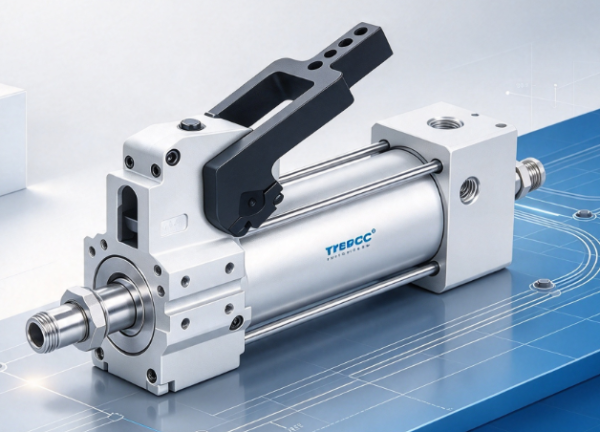
This is where an Air Hydraulic Booster Cylinder can become part of the system. It connects pneumatic input with hydraulic output, allowing air pressure to be used to create hydraulic action. The cylinder is therefore not simply another type of actuator. It acts as a link between two ways of producing movement and force.
Understanding this relationship can help explain why air hydraulic booster cylinders appear in different industrial applications. Their value comes from how they fit into a wider machine rather than from the cylinder alone.
What Is an Air Hydraulic Booster Cylinder?
An Air Hydraulic Booster Cylinder is a device designed to combine pneumatic and hydraulic functions within one working arrangement.
The pneumatic side uses compressed air as the input source. The hydraulic side uses fluid to transfer the resulting force. The cylinder connects these two functions so that air-powered input can support hydraulic movement.
This basic idea can be useful when a machine already has access to compressed air but needs a different type of force or movement for a particular operation.
A conventional pneumatic cylinder can provide direct movement using compressed air. In some applications, however, the required action may benefit from hydraulic force. Instead of building two completely separate systems, cylinder can provide a connection between the two.
The product can therefore be viewed as an intermediate component. It receives pneumatic energy and uses that input within a hydraulic working section.
Its role becomes easier to understand when the two systems are considered separately:
| System | General Function |
|---|---|
| Pneumatic System | Uses compressed air to provide input movement |
| Hydraulic System | Uses fluid to transfer and apply force |
| Air Hydraulic Booster Cylinder | Connects pneumatic input with hydraulic action |
This relationship is the main feature of the product. It allows equipment designers to consider both pneumatic and hydraulic functions when developing a machine.
How Does an Air Hydraulic Booster Cylinder Connect Pneumatic and Hydraulic Functions?
The connection between the two systems is based on energy transfer.
Compressed air enters the pneumatic side of the device. The air movement acts on the internal mechanism and creates pressure within the hydraulic section. The hydraulic fluid then transfers this pressure to the working side.
The process can be understood as a sequence:
- Compressed air enters the pneumatic section.
- The air acts on the internal piston arrangement.
- Movement from the pneumatic side creates hydraulic pressure.
- Hydraulic fluid transfers the resulting force.
- The working section produces the required movement or action.
The exact internal construction can vary between products, but the basic concept remains similar. Pneumatic energy provides the input, while hydraulic action delivers the working effect.
This arrangement creates a useful connection between two systems that normally operate in different ways.
Air is convenient for producing movement. Hydraulic fluid is useful when force needs to be transferred through a controlled fluid system. Bringing these functions together can give equipment designers another way to approach machine movement.
The booster cylinder therefore sits between the pneumatic source and the hydraulic action. Its position in the system explains its name and its practical role.
Why Would a Machine Need Both Pneumatic and Hydraulic Functions?
Different machine operations can create different requirements.
Pneumatic systems are often associated with straightforward movement. They can be useful for moving components, positioning parts, or operating mechanisms that do not require the characteristics of hydraulic action.
Hydraulic systems are often considered when a machine needs controlled force. The fluid-based working process can support applications where direct pneumatic movement does not provide the desired operating behavior.
A machine may therefore benefit from having both functions available.
For example, a production machine may use compressed air as part of its general operating system. Adding a separate hydraulic system could make the equipment more complicated. An air hydraulic booster cylinder can provide a way to introduce hydraulic action without treating the pneumatic and hydraulic systems as completely independent.
This can influence equipment layout as well.
The designer needs to consider where the cylinder will be installed, how it connects with the air source, how the hydraulic section interacts with the working mechanism, and how the resulting movement fits into the machine.
The relationship can be represented simply:
Compressed Air → Pneumatic Action → Hydraulic Pressure → Working Movement
This makes the booster cylinder part of a wider machine function rather than an isolated component.
Where Are Air Hydraulic Booster Cylinders Used?
The applications of an air hydraulic booster cylinder are connected with equipment that combines pneumatic availability with a need for hydraulic action.
Manufacturing machinery can be one area. Production equipment may include several moving sections, and different parts of the machine can have different force requirements.
Clamping equipment is another possible application. A machine may need a component to move into position and then apply force during the working process. The combination of pneumatic input and hydraulic action can support this type of operation.
Pressing and forming equipment can also involve similar needs. The machine may require a controlled working action while using compressed air as part of the available power source.
Material handling equipment may also use combined fluid power functions. Movement and positioning can be handled differently depending on the task.
Possible application areas include:
| Application Area | Possible Role |
|---|---|
| Manufacturing Equipment | Supporting controlled machine movement |
| Clamping Equipment | Providing force during clamping operations |
| Pressing Equipment | Supporting working movement and force |
| Forming Machinery | Connecting pneumatic input with hydraulic action |
| Material Handling | Supporting movement and positioning |
| Automated Machinery | Providing an additional motion option |
The exact application depends on the machine design. The important point is that the booster cylinder can be used where pneumatic and hydraulic functions need to work together.
How Does the Booster Cylinder Fit Into Machine Design?
A component can only perform its intended role when it fits properly into the equipment around it.
For an air hydraulic booster cylinder, this means considering the air supply, hydraulic working section, mechanical connection, and movement required by the machine.
The installation position can influence how the cylinder operates within the equipment. The designer may need to consider how the cylinder connects with other components and how its movement is transferred to the working mechanism.
Space is also part of the design process. Industrial machines often contain many components in one area. The booster cylinder needs to fit within the available arrangement without interfering with nearby parts.
The connection points matter as well. The pneumatic side needs to connect with the machine's air system. The hydraulic side needs to work with the relevant fluid circuit or working mechanism.
This creates several design relationships:
- Air supply and pneumatic input
- Hydraulic working section
- Mechanical connection
- Movement direction
- Equipment layout
- Access for installation and service
These relationships show why selecting a booster cylinder cannot be separated from machine design.
The component may be relatively compact compared with the complete machine, but its position can influence how different parts of the system interact.
Can an Air Hydraulic Booster Cylinder Support More Compact Equipment Design?
Equipment designers often need to balance function with available space. Adding separate systems for every type of movement can make a machine more complicated.
An air hydraulic booster cylinder offers another approach by connecting pneumatic and hydraulic functions through one component.
This does not mean that every machine needs such a device. Its usefulness depends on the application. Where both types of fluid power are already relevant, however, the combined arrangement can provide a practical design option.
The cylinder can allow a machine to use an existing pneumatic source while introducing hydraulic action where it is needed. This can reduce the need to treat every function as an entirely separate system.
The relationship is particularly interesting in machines where several operations happen within the same working area.
A machine might use compressed air for general movement and control while needing hydraulic force for a specific operation. In such a case, the booster cylinder can provide a bridge between the two functions.
This can also affect maintenance planning. Instead of viewing the pneumatic and hydraulic functions as unrelated systems, the equipment designer can consider how they meet at the booster cylinder.
The result is a more connected approach to machine layout. The cylinder becomes part of the overall system architecture.
What Should Buyers Consider When Choosing an Air Hydraulic Booster Cylinder?
Choosing an air hydraulic booster cylinder starts with understanding the machine rather than looking at the component alone.
The intended application should be clear. Buyers need to know what kind of movement the cylinder will support and what role hydraulic action will play in the working process.
The available pneumatic system is another consideration. Since the booster cylinder depends on pneumatic input, it needs to fit the existing equipment arrangement.
The hydraulic side also needs attention. The cylinder should work with the way hydraulic action is used within the machine.
Installation requirements are equally important. The physical arrangement of the machine can influence which product design is suitable.
Buyers may consider several areas:
| Consideration | Related Question |
|---|---|
| Application | What movement or working action is required? |
| Pneumatic System | How will the cylinder receive air input? |
| Hydraulic Function | What role will hydraulic action perform? |
| Machine Layout | Where will the cylinder be installed? |
| Connection | How will it interact with surrounding components? |
| Maintenance | Can the working area be accessed when needed? |
Clear product information can make communication between buyers and manufacturers easier.
For customized equipment, it can also help to provide details about the machine's working process. A manufacturer can better understand the intended role of the cylinder when the application is explained in practical terms.
How Can Manufacturers Support Different Air Hydraulic Booster Cylinder Applications?
Different machines may require different approaches to pneumatic and hydraulic integration. Manufacturers therefore need to understand more than the basic function of the cylinder.
Product development can begin with the intended application. The manufacturer considers how the cylinder will connect with the machine and what type of working action it needs to support.
The product structure can then be matched with the equipment arrangement. This includes the relationship between the pneumatic section, hydraulic section, connection points, and surrounding machine components.
Communication is especially important for industrial applications. A buyer may know what the machine needs to accomplish without knowing exactly how the internal cylinder arrangement should be designed.
The manufacturer can work from the application and translate those requirements into a suitable product concept.
This process can involve:
- Application discussion
Understanding the machine and its working process. - Product planning
Considering the relationship between pneumatic and hydraulic functions. - Design development
Creating a cylinder arrangement that fits the intended equipment. - Production
Manufacturing and assembling the required components. - Application checking
Reviewing whether the finished product matches the intended machine use.
This approach gives the Air Hydraulic Booster Cylinder a place within broader equipment development. It is not simply a component that provides force. It is a connection point between two fluid power concepts.
As industrial machines continue to combine different forms of motion and control, this type of component can remain relevant wherever pneumatic input and hydraulic action need to work together within the same equipment design.