

 English
  русский
  Español
  Deutsch

A belt can look simple, but the way its buckle and strap work together has a direct effect on how it feels during regular wear. With a plate-style buckle, the strap does not simply serve as a strip around the waist. Its width, thickness, length, and position all need to work with the buckle so that the belt can be adjusted without unnecessary movement.
This becomes particularly noticeable when a belt is used repeatedly with different clothing. A strap that fits easily through the buckle may behave differently when paired with a thicker pair of trousers, while a buckle that feels comfortable in one position may sit differently when the belt is tightened or loosened. Small differences in construction can therefore affect everyday handling.
Looking at the relationship between the buckle and strap provides a practical way to assess fit. It also helps explain why measurement, adjustment, positioning, and routine care should be considered together rather than as separate concerns.
How Does the Plate Buckle Structure Secure the Belt Strap
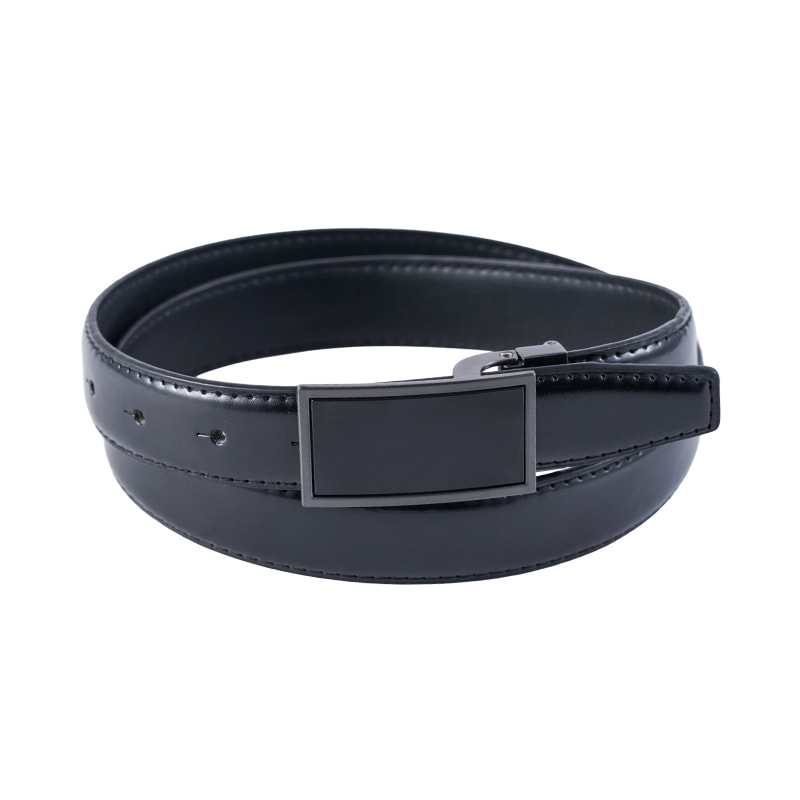
The buckle is the part that connects the belt strap to the fastening position. In a plate-style design, the strap passes through or engages with the buckle area and is held in place through the way the buckle and strap interact. The shape of the plate, the available space, and the condition of the strap can all influence how the belt sits after fastening.
A useful way to look at the structure is to consider three areas:
- The buckle plate provides the main fastening surface and influences how the belt is positioned.
- The strap needs enough flexibility to pass through the fastening area while remaining stable after adjustment.
- The connection area experiences repeated movement when the belt is put on, adjusted, and removed.
When these parts work together, adjustment can be carried out without forcing the strap into an awkward position. If the strap is too wide, too thick, or difficult to move through the buckle, the fastening process can become less convenient.
The buckle also affects where the belt begins and ends around the waist. This is why the buckle should not be considered separately from the strap. The two parts form one working system during everyday use.
Why Does Belt Strap Width Matter for a Plate Buckle
Width is easy to overlook because people often focus on waist size when choosing a belt. However, the strap also needs to fit the space provided by the buckle. A mismatch can affect how smoothly the strap moves and how evenly it sits once fastened.
A strap that is too wide may be difficult to feed through the buckle. It can also sit tightly against the edges of the fastening area. A narrower strap may have more room to move, which can allow the belt to shift rather than remain neatly positioned.
The relationship between strap width and buckle opening can be considered in several practical ways:
| Consideration | What to check |
|---|---|
| Strap width | Whether it fits comfortably within the buckle |
| Edge position | Whether the strap sits evenly rather than pressing against one side |
| Movement | Whether the strap can be adjusted without excessive resistance |
| Belt loops | Whether the strap can pass through the loops without catching |
This is particularly relevant when a belt is used with different trousers. Belt loops can vary in available space, so a strap that works comfortably with one garment may feel less convenient with another.
For a Plate Buckle Belt, width therefore affects more than appearance. It can influence how easily the belt is handled and how steadily it remains positioned during wear.
How Should You Measure for a Plate Buckle Belt
Measurement should reflect how the belt will actually be worn rather than relying only on a clothing label. The position around the waist, the clothing worn underneath the belt, and the amount of strap needed after fastening can all change the result.
One practical approach is to measure around the area where the belt normally sits. The tape should follow the same position used when wearing the belt instead of being placed at an unrelated point on the body. If a belt is intended to be worn over thicker clothing, that difference should also be considered.
An existing belt can provide another useful reference. Measure the portion that is normally used for fastening rather than simply measuring the full length from end to end. This gives a clearer indication of how the belt functions in actual use.
The end of the strap also deserves attention. Too little remaining length can make adjustment awkward, while excessive loose material may become inconvenient during wear.
| Measurement point | Why it matters |
|---|---|
| Wearing position | Reflects where the belt will actually sit |
| Existing belt | Provides a practical reference for fit |
| Fastening position | Shows how much adjustment is normally used |
| Remaining strap | Helps avoid an awkward loose or short end |
For a Plate Buckle Belt, measuring this way connects size selection with the actual fastening process. It avoids treating waist measurement as the only factor.
How Does a Plate Buckle Belt Allow Different Adjustment Positions
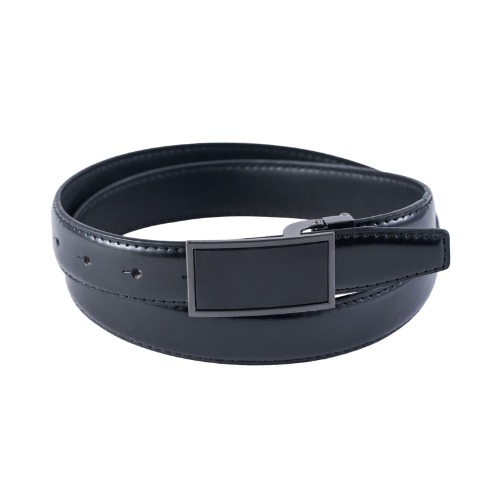
Once the basic size has been considered, adjustment determines how the belt feels during use. A plate-style buckle allows the strap to be positioned according to the wearer's needs rather than relying entirely on a fixed starting position.
The adjustment process should allow the strap to move smoothly and settle into a stable position. If the belt requires excessive force to move, the strap may not be well matched to the buckle. If it moves too freely, keeping the desired position can become difficult.
Adjustment is also connected to the clothing being worn. A belt may need a slightly different position with trousers that have a different waistband or with clothing that adds thickness around the waist.
During adjustment, it is useful to check whether:
- the strap remains flat rather than folding;
- the buckle stays aligned with the center of the belt;
- the fastening area does not feel unnecessarily tight;
- the loose end remains manageable after fastening.
These simple checks help distinguish between a sizing issue and an adjustment issue. A belt can have an appropriate overall length while still needing a different fastening position for comfortable daily use.
Why Can a Plate Buckle Belt Shift or Twist During Wear
Movement during daily activities can cause a belt to move away from its original position. Shifting does not necessarily come from the buckle alone. The relationship between the strap, clothing, fastening position, and body movement can all play a role.
A strap that is too loose may move sideways more easily. If it is tightened unevenly, one side can sit differently from the other. Twisting can also occur when the strap is not lying flat before it enters the buckle.
The buckle position matters as well. If the plate is not sitting squarely against the strap, the belt may feel less balanced. Repeated movement can make a small change in position more noticeable over time.
When a belt shifts, checking the fastening area can help identify the cause. Look at whether the strap is flat, whether the buckle is aligned, and whether the adjustment position is appropriate for the clothing being worn.
This approach is more useful than simply tightening the belt further. Excessive tightening may change the position of the buckle without addressing the reason the strap is moving.
What Happens When the Belt Strap Is Too Thick for the Buckle
Thickness is different from width, and the two should not be treated as the same measurement. A strap may have a suitable width while still being too thick for the available space around the buckle.
When the strap is thicker than the fastening area allows, feeding it through can become difficult. The material may bend sharply or resist movement. This can make adjustment less convenient and may also change how the buckle sits against the strap.
The issue can become more noticeable when the strap has a firm structure and does not bend easily. A thicker strap may also create additional bulk around the fastening area, particularly when the belt is worn with clothing that already has limited space around the waist.
Before using a Plate Buckle Belt, it is therefore useful to consider both dimensions of the strap. Width determines whether the strap fits across the buckle opening, while thickness affects how easily it can pass through and settle into position.
Keeping these two factors separate makes it easier to identify why a belt may feel difficult to adjust even when its overall length appears suitable.
How Does Buckle Size Affect the Way a Belt Sits
The buckle itself contributes to how the belt rests around the waist. A larger plate occupies more space at the front, while a smaller one may allow the surrounding clothing to sit differently. The shape and thickness of the buckle can also affect how noticeable it feels during movement.
This does not mean that one buckle size is suitable for every situation. The useful question is whether the buckle has enough space to work with the strap and whether its size fits comfortably with the clothing.
The position of the buckle can change when the belt is adjusted. A larger plate may be more noticeable if it sits beneath a close-fitting garment, while a thinner design may occupy less space. Clothing construction should therefore be considered alongside the belt rather than after the belt has already been selected.
Another point is balance. If the buckle carries more weight than the surrounding strap, it can influence how the belt settles when the wearer moves. The strap needs to remain properly positioned around the waist so that the buckle does not pull the belt to one side.
For this reason, buckle size is not simply an appearance-related detail. It can influence the physical relationship between the fastening area, strap, and clothing during regular wear.
How Can You Maintain a Plate Buckle Belt for Regular Use
Regular maintenance mainly involves keeping the buckle and strap clean, dry, and free from unnecessary stress. Different materials may require different care, so the condition and construction of the belt should guide the cleaning method.
The buckle can be checked for dust or residue around areas where the strap passes through. A soft cloth is generally useful for routine surface cleaning, while excessive moisture should be avoided when the belt material is not intended to remain wet.
The strap should also be inspected from time to time. Pay attention to areas that repeatedly bend, particularly around the fastening point. Changes in shape, surface condition, or flexibility can indicate that the belt is experiencing more stress in that area.
Storage can affect the belt as well. Leaving it tightly folded or placing heavy items on the buckle may change its shape. Keeping the belt in a relaxed position can reduce unnecessary pressure on both the strap and fastening area.
A simple care routine can include:
- wiping the buckle after regular use;
- keeping the strap away from unnecessary moisture;
- checking the fastening area for visible wear;
- storing the belt without excessive bending or pressure;
- keeping the buckle and strap clean before longer-term storage.
With a Plate Buckle Belt, fit and adjustment are closely connected to the way the buckle and strap interact. Width, thickness, length, fastening position, and everyday handling each contribute to how the belt behaves. Considering these factors together provides a clearer basis for selecting, adjusting, and maintaining a belt for regular use.