

 English
  русский
  Español
  Deutsch

A good belt does more than hold denim in place. It changes how jeans sit at the waist, how movement feels through the day, and how complete an outfit looks without drawing unnecessary attention. A poor choice can create slipping, pinching, twisting, or a shape that feels awkward with the jeans it is meant to support. A better choice tends to feel quiet and steady. It works in the background, which is often the point.
For many shoppers, the challenge is not finding a belt in general. It is finding one that fits daily routines, different denim cuts, and personal comfort without adding extra fuss. A Women's Jeans Belt needs to handle practical wear, but it also has to fit the visual line of the jeans. That means width, material, buckle shape, and flexibility all matter together rather than separately.
Why Does a Women's Jeans Belt Feel Different Even When the Size Looks the Same
Two belts can share a size label and still feel very different once worn. The label alone does not tell the whole story. A belt can sit firmer because of the material, softer because of the layer structure, or stiffer because of how it was made and finished.
Some of the differences people notice most often include:
- how easily the strap bends around the waist
- whether the buckle feels light or heavy
- whether the edge presses into clothing
- whether the belt settles naturally after a few hours
A softer belt may feel easy from the start, but it can also move more during the day. A firmer belt may feel more structured and stable, but not every wearer likes that feeling. The right balance depends on how the belt is used. Daily wear often asks for something that feels steady without feeling rigid.
This is one reason a Women's Jeans Belt should be judged by use, not only by appearance. The look may be the same at first glance, yet the wearing experience can be very different once the belt is looped through denim and worn through a normal day.
How Do You Choose the Right Women's Jeans Belt for Different Jean Styles
Different jean cuts create different needs. A belt that works with one pair may look or feel less natural with another. The shape of the waistband, the height of the rise, and the space around the loops all influence the choice.
A simple way to think about it is by denim shape and visual balance.
| Jean Style | What the Belt Should Do | What to Pay Attention To |
|---|---|---|
| High-waisted jeans | Stay neat at the waist and avoid crowding the front | Strap length, buckle size, clean line |
| Straight-leg jeans | Keep a balanced look without taking over the outfit | Moderate width, steady structure |
| Relaxed-fit jeans | Add shape without looking heavy | Flexibility, comfort, visual proportion |
| Wide-leg jeans | Support the waist while keeping the outfit relaxed | Smooth finish, subtle buckle, balanced width |
With high-waisted denim, a belt often becomes part of the visible shape of the outfit. That means the buckle and strap should sit cleanly instead of competing with the rise of the jeans. With straight-leg styles, the belt usually needs to feel simple and direct. With wider denim shapes, the belt should support the waist without making the upper body look crowded.
A Women's Jeans Belt does not need to be dramatic to be effective. In many cases, the quietest option is the one that fits the jean style without asking for attention.
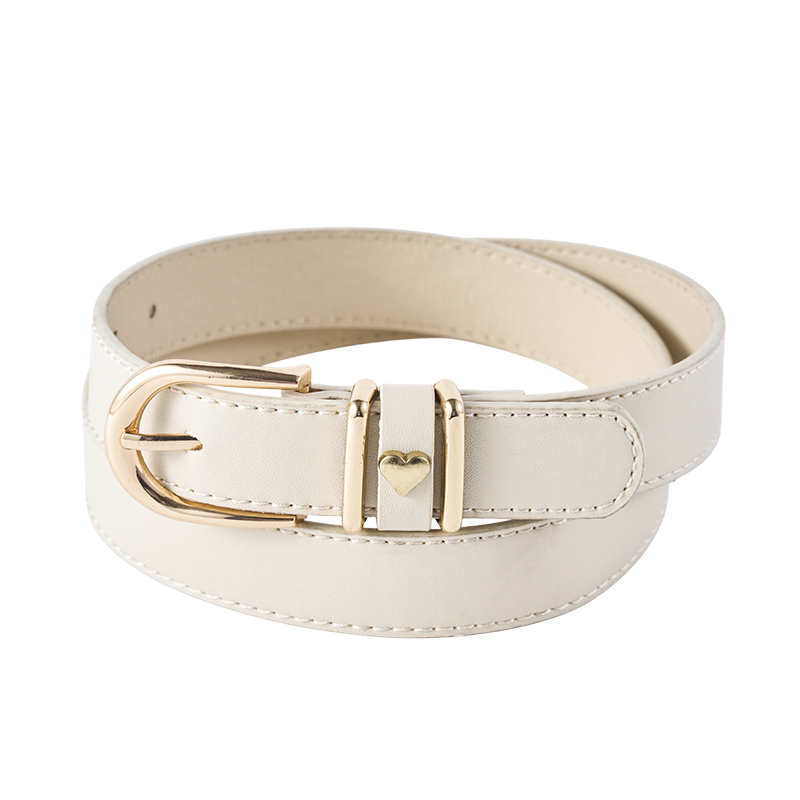
Which Women's Jeans Belt Width Creates a More Balanced Everyday Look
Width changes both comfort and appearance. A narrow belt can look lighter, while a wider belt can feel more present. Neither choice is universally right. The better option depends on the jeans and the wearer's routine.
A useful way to think about width is through visual balance:
- Narrow straps can feel subtle with lighter outfits or slimmer denim.
- Medium straps often work well for daily wear because they stay visible without feeling heavy.
- Wider straps can bring more structure, especially when the jeans have a relaxed shape.
The belt loops matter too. A strap that is too wide can feel stiff going through the loops or create extra bulk at the waist. A strap that is too narrow may sit too loosely in the loops and shift more during movement.
The aim is not simply to choose a width that fits. It is to choose one that makes the whole waistband feel settled. For a Women's Jeans Belt, that usually means a width that moves smoothly through the loops, sits neatly against the denim, and does not disturb the natural line of the jeans.
What Should You Check Before Buying a Women's Jeans Belt for Daily Wear
Before buying, it helps to look beyond color and buckle shape. Daily wear brings repeated bending, sitting, standing, and walking. That means small details matter more than they might in a quick fitting room test.
Here are the points that often matter most:
- the feel of the strap surface
- the edge finish
- the way the buckle is attached
- the flexibility of the strap
- whether the belt holds its line without curling
The strap should feel smooth enough for regular use, but not so soft that it loses shape quickly. The buckle should feel secure and easy to handle. The edges should be finished well enough that they do not rub or peel too soon. These details are simple, yet they affect comfort over time.
| Buying Check | Why It Matters | What You May Notice Later |
|---|---|---|
| Strap feel | Affects comfort and movement | Less pinching and less twisting |
| Edge finish | Helps the belt wear more evenly | Cleaner look over time |
| Buckle attachment | Supports daily handling | Less loosening and fewer shifts |
| Strap flexibility | Helps the belt follow body movement | Better comfort while sitting or walking |
A Women's Jeans Belt chosen for daily use should feel reliable from the start, but it should also look steady after repeated wear. The details that seem small at purchase often become the details people appreciate most later.
How Does Leather Thickness Change the Comfort of a Women's Jeans Belt
Thickness changes how the belt moves, folds, and settles against the body. A thinner strap usually bends easily and feels lighter. A thicker strap often feels firmer and may keep shape in a more noticeable way. The question is not which one is universally better. The question is which one suits the wearing situation.
A thinner belt can be easier for all-day movement. It may feel less restrictive when sitting, especially with jeans that already sit close to the body. A thicker belt can help when the jeans need more structure at the waist, but it may also feel more noticeable during long periods of wear.
Comfort is also tied to how the belt surface responds to motion. If the strap bends too quickly, it may twist. If it is too firm, it may feel resistant when the wearer moves. A balanced strap tends to move with the body while still keeping a stable line.
For a Women's Jeans Belt, thickness should support the role of the belt rather than dominate it. The right feel is usually the one that becomes easy to forget during the day.
Why Do Some Women's Jeans Belts Keep Their Shape Longer Than Others
Shape retention depends on more than one detail. Material behavior, edge finishing, buckle weight, and daily handling all have an effect. Some belts stay neat because their structure is stable. Others begin to curl, crease, or shift because they are asked to bend too often or are stored carelessly.
Several common reasons affect shape:
- repeated folding in the same place
- hanging in a tight loop for long periods
- exposure to moisture
- rough handling when threading through loops
A well-made strap usually bends in a controlled way. That controlled bend helps it return to shape more easily after wear. A strap that has weak edge finishing may start to curl at the sides. A belt that is stored folded too tightly can develop marks that are hard to smooth out later.
Daily habits matter too. Taking the belt off carefully, laying it flat, and avoiding unnecessary pressure can help it hold its form longer. That is one reason shape retention is not only a product issue. It is also a use issue.
A Women's Jeans Belt that keeps its shape can make daily dressing easier because it stays predictable. The wearer does not need to keep adjusting it or worry about visible distortion.
What Makes a Women's Jeans Belt Match High Waisted and Wide Leg Jeans More Naturally
High-waisted and wide-leg jeans ask for a different visual balance than slimmer denim. Because the waist is more visible, the belt becomes part of the outfit structure. It should support the shape of the jeans instead of interrupting it.
With high-waisted denim, the belt often sits near the narrowest part of the body. That means the strap and buckle should feel tidy. A large buckle can work in some looks, but a cleaner shape often feels more natural for everyday wear. The goal is to keep the line smooth.
With wide-leg jeans, the outfit already has volume. A belt can help define the waist, but it should not create extra heaviness at the center. A balanced width and a stable strap usually work better than a strap that feels too bulky.
Color also changes the result. A belt that is too close to the jeans may blend in quietly. A belt with more contrast may stand out more clearly. Neither approach is wrong. It depends on whether the wearer wants the belt to blend into the outfit or lightly define it.
A Women's Jeans Belt that matches these styles well usually shares a few traits: it is easy to thread, visually steady, and shaped in a way that supports the waist without making the outfit feel crowded.
How Can Simple Care Tips Help a Women's Jeans Belt Stay in Good Condition Longer
Care is part of design in practice. Even a well-made belt can wear unevenly if it is handled roughly or stored in a cramped place. Simple habits often make a clear difference.
A practical care routine may include:
- wiping the surface gently after wear
- keeping it dry
- avoiding sharp bends
- storing it flat or hanging it loosely
- keeping it away from unnecessary pressure
Moisture can change how a strap feels and how the edges age. Dust and daily contact can also affect the surface. When the belt is cleaned lightly and stored with some space, it usually keeps a cleaner line.
It also helps to rotate use. Wearing the same belt every day without rest can place stress on the same bend points and buckle areas. Giving the strap time to recover between wears can reduce visible wear.
A Women's Jeans Belt does not need complicated care. It usually responds well to steady, ordinary handling. That makes it a practical accessory for regular denim wear, especially when the wearer wants comfort without extra maintenance.
In daily use, the right belt feels simple because the details were chosen carefully. Fit, width, material, shape, and care all work together. When those parts stay in balance, the belt does its job quietly and the jeans keep their intended line.