

 English
  русский
  Español
  Deutsch

An Adjustable Leather Belt is often chosen for a simple reason: it is easier to live with than a fixed-size belt. That idea sounds small, but it changes the whole wearing experience. A belt is not only a strip of leather with a buckle. It has to sit well, hold steady, match different outfits, and still feel comfortable after long hours of wear. When the design is handled well, the user notices the difference without needing to think about it.
For a manufacturer, the value sits in details that are easy to overlook at first glance. The way the strap is cut, how the buckle grips, how the surface is finished, and how the belt responds when the body moves all shape the final result. Some people buy a belt for daily wear. Others look for a cleaner look with less visible wear marks. Some need a piece that can adapt across seasons, clothing layers, or changes in waist size. Because of that, the topic is larger than style alone.
What Is an Adjustable Leather Belt and How Does Its Flexible Design Work
The most direct way to describe this product is as a belt that allows more than one fixed fit. Instead of relying on a single hole pattern, the strap and buckle work together so the user can make smaller changes in fit. That makes the wearing experience feel less rigid. When a person sits, stands, bends, or layers clothing, the belt can still feel steady without pressing too hard.
The design also changes how people think about size. A fixed belt often asks the user to adapt to the product. A more flexible belt gives some room for the product to adapt to the user. That difference is small on paper, but it matters in daily use. It can reduce the feeling that the belt is either too tight or slightly loose.
There is also a visual benefit. A cleaner adjustment system can make the belt look calm and orderly. For customers who prefer a simple look, that matters as much as the fit. In many cases, the appeal of an Adjustable Leather Belt comes from this balance between comfort and appearance.
Why Does Buckle Design Matter for Adjustable Leather Belt Performance
The buckle is not only a closing piece. It is the part that decides how the belt feels when it is used. If the buckle grips too harshly, the user may struggle with adjustment. If it feels loose, the belt may not stay where it should. A well-made buckle helps the belt feel secure without making it difficult to handle.
A useful way to think about buckle design is to look at three things: grip, ease of movement, and visual balance. Grip affects whether the belt stays in place. Ease of movement affects how quickly the user can adjust it. Visual balance affects whether the buckle suits the rest of the belt and the outfit. When these parts work together, the belt feels natural in use.
| Buckle Detail | What It Changes | Why It Matters |
|---|---|---|
| Grip Strength | How firmly the belt holds | Helps the belt stay steady during wear |
| Adjustment Feel | How smooth it is to change fit | Makes daily use easier |
| Surface Shape | How the buckle looks on the body | Affects the visual finish of the belt |
| Edge Finishing | How the buckle feels against clothing | Supports comfort and reduces friction |
For manufacturers, buckle design is also tied to brand identity. A narrow buckle, a flatter shape, or a more structured look can each send a different message. None of these choices is purely decorative. They influence how the product is handled, worn, and remembered.
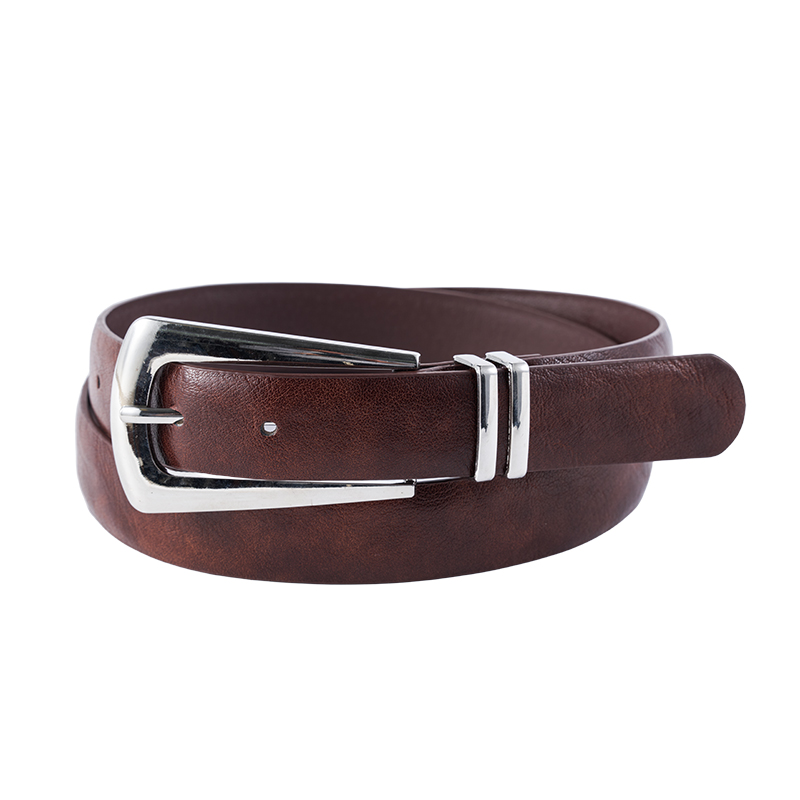
What Materials and Leather Options Are Used in Adjustable Leather Belt Manufacturing
Leather choice shapes the final feel of the belt more than many people expect. A smoother surface can create a cleaner appearance, while a firmer body may help the belt keep its shape. A softer feel may suit casual wear, while a more structured strap can work well for a sharper look. The right choice depends on how the belt is meant to be worn.
The surface treatment matters too. Some belts are finished to look polished. Others keep a more natural appearance. Each choice brings its own tradeoff. A polished finish may show less visible wear at first. A more natural finish may age in a way that feels honest and familiar. For customers, that can be part of the appeal. For manufacturers, it becomes a question of which look and feel the target market expects.
| Material Choice | Common Effect on the Belt | Typical Use Feeling |
|---|---|---|
| Softer Leather | Easier bending and a relaxed look | Comfortable for frequent wear |
| Firmer Leather | Better shape retention | Feels structured and neat |
| Smooth Finish | Cleaner surface and simpler appearance | Good for dress and office wear |
| Natural Finish | More visible texture and character | Works well for casual use |
When material selection is done with care, the whole product becomes easier to live with. An Adjustable Leather Belt depends on this choice because the belt needs to move, hold, and age in a controlled way.
How Are Adjustable Leather Belts Made From Material Preparation to Final Production
Production starts long before the strap reaches a buckle. The leather has to be reviewed, cut, shaped, and prepared so the final piece will wear evenly. If the strip is too uneven, the belt may twist or sit awkwardly. If the edge work is rough, the product may feel unfinished. These are small details, but they add up quickly.
After the strap is prepared, the buckle area is handled with extra care. That section carries a lot of use, so it must be aligned properly and fixed with consistency. The belt also needs clean edge finishing, because edges influence both look and comfort. A well-finished edge is less distracting against clothing and often gives the product a calmer appearance.
Manufacturing is usually easier to understand when broken into steps:
- Prepare the leather and check its surface condition.
- Cut the strap so the shape stays even along the length.
- Finish the edges to improve feel and appearance.
- Set the buckle section with careful alignment.
- Check the fit, movement, and overall look.
- Review the final belt for balance and clean presentation.
For a manufacturer, this stage is where design becomes something usable. A good concept can still fail if the production flow is rushed. A simple belt needs precision, because users notice unevenness quickly even when they cannot explain it in technical language.
How Does an Adjustable Leather Belt Provide a Better Fit for Different Waist Sizes
Fit is where the product proves its value. A belt that allows more flexible adjustment can sit more naturally across changes in clothing, posture, and daily movement. People do not keep the same body position all day. They sit through meals, stand for meetings, walk longer distances, or add layers in cooler weather. A belt that adjusts with less effort feels more responsive in those moments.
The belt also helps when a user wants a more exact fit without being tied to fixed points. That can be useful for anyone whose waist measurement sits between common hole positions on traditional belts. Instead of settling for "close enough," the wearer can make a more precise change. This is one reason many customers see the product as practical without thinking of it as technical.
Another point is comfort across the day. A belt that can shift slightly when needed may reduce pressure during long wear. That does not mean it should feel loose. It means the user can fine-tune it to match the moment. In everyday clothing, that small adjustment can improve how the whole outfit feels.
Adjustable Leather Belt vs Traditional Leather Belt What Are the Differences in Daily Use
The comparison is not only about appearance. It is also about how each belt behaves in real life. A traditional belt gives a familiar look and a simple structure. An adjustable design gives more room for fine-tuning. Neither choice is automatically better in every case. Each serves a different use pattern.
| Daily Use Point | Adjustable Design | Traditional Design |
|---|---|---|
| Fit Changes | Easier to change in small steps | Depends on fixed hole spacing |
| Comfort During Movement | Can feel more adaptable | Can feel more fixed |
| Visual Look | Often cleaner and more modern | Often familiar and classic |
| Ease of Wear | Simple once the user learns it | Very familiar for most users |
| Flexibility Across Outfits | Useful across changing clothing layers | Works well when fit is already known |
In daily use, the question is often not which belt is simpler in theory. It is which one matches the user's habits. Someone who likes a neat, consistent routine may prefer a familiar structure. Someone who values adjustment and a smoother fit may lean toward a more flexible design. An Adjustable Leather Belt often enters the conversation when comfort and routine convenience matter at the same time.
How to Choose an Adjustable Leather Belt Based on Style Comfort and Usage Needs
Choosing a belt becomes easier when the buyer looks at use first and style second, rather than treating them as separate decisions. A belt that feels right but looks out of place will sit unused. A belt that looks right but feels awkward will do the same. The product has to fit the person's regular life.
A useful way to choose is to check a few points in order:
- The clothing the belt will be worn with most often.
- The level of surface texture or polish that feels appropriate.
- The buckle shape and how it sits with the rest of the outfit.
- Whether the belt should feel relaxed, formal, or somewhere between the two.
- How often the user expects to adjust the fit.
An Adjustable Leather Belt can suit different wardrobes because it can stay visually quiet or appear more structured depending on how it is made. For office wear, many buyers look for a clean surface and a simple buckle. For casual wear, they may prefer a more visible leather texture. In both cases, the key is not to force the product into a style that does not match the user's habits.
What Should Buyers Know Before Ordering Adjustable Leather Belts From a Manufacturer
For buyers, the main concern is not only the finished belt. It is whether the manufacturer can repeat the same quality in every piece. Consistency matters because a belt is a daily-use product. If the leather tone, edge finish, or buckle fit changes too much from one batch to another, the customer notices it quickly.
It helps to confirm a few practical points before placing an order:
- What leather appearance and feel are expected.
- How the buckle should look and operate.
- Whether the belt should feel formal, casual, or balanced.
- What kind of finishing is needed around the edges and buckle area.
- How the product should be packed and presented.
Another point is communication. A clear sample or reference can reduce confusion later. Small accessories often look simple from a distance, but they depend on alignment, finish, and handling details. When buyers speak clearly about the desired use case, the result is usually more predictable.
The business side also benefits from clarity. A manufacturer who understands the intended audience can adjust the belt style more accurately. That may involve a cleaner buckle, a firmer strap, or a different surface finish. In that sense, purchasing is not just about placing an order. It is about matching the product's behavior to the market it will serve.
What Makes an Adjustable Leather Belt Suitable for Modern Daily Needs
The reason this product continues to draw attention is that it solves several small problems at once. It supports fit, feels adaptable during wear, and can still carry a simple visual profile. That combination is useful in daily life, where people often want objects that work without drawing attention.
It also fits different clothing habits. Some users want a belt that feels stable through a long workday. Others want one that adapts when outfits change across the week. A flexible belt design can support both. That is why the product has room in casual wear, office settings, and gift purchasing. It does not depend on one narrow use case.
For manufacturers, this creates a clear product direction. The most useful belts are often the ones that feel ordinary in the best sense: easy to wear, easy to match, and easy to trust. An Adjustable Leather Belt fits that pattern well when the design, material, and production steps all move in the same direction.