

 English
  русский
  Español
  Deutsch

A belt does more than hold trousers in place. It also needs to move with the wearer, stay comfortable through everyday activities, and maintain its shape after repeated use. For elastic styles, the way the webbing is arranged can influence how the belt feels and responds around the waist.
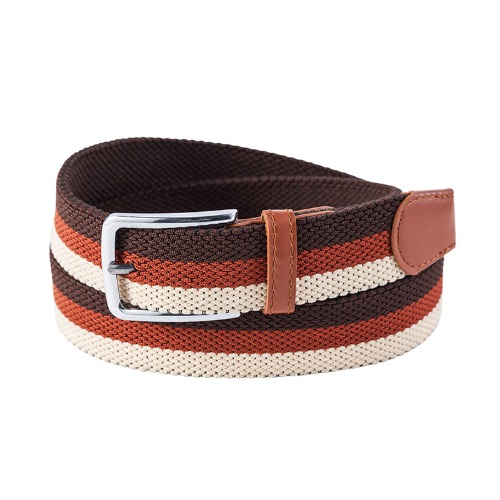
A Double Layer Belt uses two layers of elastic webbing rather than relying on a single layer. This changes the way the material is assembled and can affect flexibility, fit, stress distribution, and long-term use. However, the layer structure is only one part of the finished belt. Width, length, stitching, edge treatment, buckle attachment, and intended use all have a role.
For buyers and product planners, looking at these factors together makes it easier to compare different belt constructions without relying only on appearance. The following sections examine how the design works from the physical structure through everyday wear and purchasing considerations.
How Does the Double Layer Structure Change Belt Construction
The basic difference begins with the belt body. A single-layer elastic belt uses one webbing layer as its main flexible section, while a double-layer design brings two layers together to form the belt body.
The two layers need to work as one during normal movement. Their alignment, connection, and finishing therefore become important parts of the construction. If the layers shift against each other, the belt may feel different from one area to another. If they are joined carefully, the finished piece can maintain a more consistent shape during use.
The layer arrangement can also change the visual and physical character of the belt. Compared with a single piece of webbing, two connected layers may create a different edge profile and a different feel when the belt bends around the waist.
| Construction factor | What it can affect during use |
|---|---|
| Layer arrangement | Overall belt shape and flexibility |
| Belt width | Contact area around the waist |
| Layer connection | Stability between the two webbing sections |
| Edge finishing | Appearance and resistance to fraying |
| Buckle attachment | How force is transferred when the belt is adjusted |
The construction should therefore be considered as a complete system rather than simply counting the number of layers. The relationship between the layers and the other components determines how the finished belt behaves.
How Does Two-Layer Construction Affect Belt Flexibility
Elastic webbing needs to bend and stretch as the wearer moves. Walking, sitting, reaching, and bending all change the position of the waist. A rigid belt can resist these movements, while an elastic design can respond more readily.
Adding a second layer changes the way the webbing moves. The layers must bend together, and their connection can influence how easily the belt follows the body's movement. A well-matched construction can maintain flexibility without allowing the two layers to behave as completely separate pieces.
Flexibility is not simply about how far a belt can stretch. It also concerns how naturally the belt returns toward its previous shape and how it feels while changing position.
For everyday use, several situations can reveal these differences:
- Sitting can place continuous pressure on the waist area.
- Bending can change the belt's angle and tension.
- Walking can create repeated small movements.
- Adjusting the belt can repeatedly stretch the elastic section.
These actions happen naturally during wear, so a belt needs to accommodate movement rather than remain fixed in one position.
What Makes a Double Layer Belt Fit Different Waist Sizes
Fit depends on more than the stated belt length. An elastic belt has to respond to changes in waist size and movement while remaining practical to wear.
Length provides the starting point, but elasticity determines how the belt responds once it is around the waist. Width also matters because it changes the area that contacts the waistband of the trousers. A wider belt can feel different from a narrower one even when both use similar elastic material.
The buckle or fastening area also affects adjustment. A wearer may need to loosen the belt while sitting or tighten it when changing clothing. These small adjustments are part of normal use.
A useful way to think about fit is to consider three related factors:
Belt length determines how much material is available around the waist.
Elastic response determines how readily the belt adapts to movement and changes in tension.
Belt width influences how the belt sits against the waistband and how its pressure is distributed.
Choosing these features separately can lead to an unsuitable combination. For example, a belt with an appropriate length may still feel uncomfortable if its width or elastic response does not match the intended clothing.
How Does Elastic Recovery Affect Double Layer Belt Performance
Stretching is only one part of elastic performance. After tension is released, the material needs to move back toward its previous condition. Repeated stretching makes this characteristic particularly relevant for belts used frequently.
When an elastic belt is worn, the webbing may stretch slightly whenever the wearer moves. Over time, repeated tension and release can change how the belt feels. If the material does not recover in the same way as before, the fit may gradually become different.
The two-layer arrangement can make this consideration more important because both layers need to respond together. If their behavior differs noticeably, the belt may not maintain the same feel across its usable life.
For buyers, elastic recovery is therefore worth considering alongside initial stretch. A sample can provide useful information when checking whether the belt returns to a similar shape after repeated manual stretching.
Other observations can also help:
- Does the belt return smoothly after being stretched?
- Does the webbing remain even along its length?
- Do the two layers stay aligned?
- Does the belt feel different after repeated adjustment?
These practical checks provide more useful information than judging elasticity from appearance alone.
Which Parts of a Double Layer Belt Experience the Most Stress
Not every part of a belt experiences the same type of force. The central webbing section moves repeatedly, while the areas around the fastening system may experience concentrated tension during adjustment.
The connection between the two layers also deserves attention. When the belt is stretched, the joined sections need to remain connected while allowing the webbing to flex. The ends can experience additional handling during fastening, removal, and adjustment.
The following areas are therefore worth checking when evaluating construction:
- Main webbing section — repeatedly stretches and bends during wear.
- Layer connection — keeps the two webbing sections working together.
- Buckle attachment — transfers tension between the fastening hardware and belt body.
- Belt edges — can experience rubbing against clothing and handling.
- End section — is repeatedly handled during adjustment.
Wear can appear differently in each area. Surface rubbing may affect the edges, while repeated tension may place greater stress on connection points. Looking at the entire belt rather than one visible area gives a clearer picture of its construction.
How Do Stitching and Edge Finishing Affect Belt Durability
Once the main stress areas have been identified, stitching and finishing become easier to evaluate. The purpose is not simply to make the belt look neat. These processes connect different components and help keep the construction together during ordinary handling.
For a double-layer design, stitching has to accommodate two webbing layers. The joining area needs to remain secure while the material continues to flex. Stitching that is too restrictive may affect movement, while an unsuitable connection may allow the layers to shift.
Edge finishing also has a practical role. Cut webbing can have exposed fibers, and repeated contact with clothing or handling can gradually affect the edge. Finishing methods can help keep the edge in a more controlled condition.
| Belt area | Points to check |
|---|---|
| Two-layer joining area | Alignment and consistency of stitching |
| Buckle connection | Attachment and tension handling |
| Side edges | Even finishing and visible fraying |
| Belt ends | Clean treatment and secure construction |
| Main webbing | Consistent appearance and movement |
These details are particularly relevant when several belts are being produced as part of the same order. Consistency from piece to piece can matter as much as the construction of an individual sample.
How Should a Double Layer Belt Be Selected for Different Uses
The appropriate construction depends partly on how the belt will be worn. A belt used with casual trousers may have different requirements from one intended for workwear or clothing used during frequent movement.
For everyday trousers, attention may center on comfortable adjustment, flexibility, and how the belt sits within the waistband. With jeans, the belt needs to work with a firmer and sometimes narrower belt loop arrangement. Workwear may involve more frequent movement and repeated adjustment, making construction and elastic response more relevant.
Outdoor clothing can introduce another consideration: the belt may need to accommodate movement while remaining practical during changing activities.
| Intended use | Factors worth considering |
|---|---|
| Casual trousers | Comfort, fit, flexibility |
| Jeans | Belt width, fastening, waistband compatibility |
| Workwear | Repeated movement, adjustment, construction |
| Outdoor clothing | Flexibility, fit, handling |
| Everyday wear | Balance between comfort and continued use |
There is no single configuration that suits every application. The useful approach is to start with the clothing and movement involved, then work backward to the belt's construction, dimensions, and fastening method.
What Should Buyers Check Before Ordering Double Layer Belts
For bulk purchasing, appearance alone does not provide enough information. Buyers need to establish whether the construction matches the intended application and whether the supplier can reproduce the agreed design consistently.
A Double Layer Belt should be checked at both the material and finished-product level. Buyers can begin with the basic dimensions and then examine how the two layers are joined, how the buckle is attached, and how the edges are finished.
Before placing an order, it is useful to confirm:
- belt length and width
- elastic response and recovery
- layer arrangement
- stitching and connection areas
- edge finishing
- buckle attachment
- available colors and material options
- packaging requirements
- sample approval process
- consistency between samples and bulk production
A sample should be assessed through practical handling rather than visual inspection alone. Stretching, bending, fastening, and releasing the belt can reveal differences that are difficult to identify from photographs.
For buyers working with different clothing ranges, it can also be useful to evaluate the belt together with the intended waistband and fastening system. A construction that works well with one garment may require adjustment when used with another.
The purchasing decision ultimately comes down to matching construction with use. Looking at the layers, elastic response, fit, stress areas, stitching, and finishing together provides a clearer basis for selecting a belt for a particular clothing application.