

 English
 русский
 Español
 Deutsch


Crocodile-embossed belts gain their distinctive surface from a pressed scale pattern that sits above the base material. The raised texture catches light differently from a smooth strap and gives the finished accessory a more layered appearance. A black version of this design pairs the embossed surface with a versatile dark tone suitable for formal and everyday clothing. Production moves from material selection through embossing, coloring, cutting, edge work, buckle attachment and final inspection. A Crocodile Pattern Belt therefore reflects the combined effect of material choice, pattern clarity and finishing quality rather than any single step.
Selection and Preparation of the Base Material
Choosing Leather Suited to Embossing
The base material determines how cleanly the pattern will form and how the finished strap will flex. Genuine leather and other leather-based materials respond differently to pressure and heat; consistent thickness and density across the sheet help the embossed scales remain uniform from one end of the belt to the other. Material that varies in density can produce shallow or broken texture in some areas while remaining clear in others.
Preparing a Clean and Even Surface
Before embossing, the sheet is inspected for scars, holes or thickness changes that would interrupt the pattern. Dust and surface irregularities are removed so that the embossing plate contacts the material evenly. A flat, defect-free surface allows the scale shapes to form with consistent depth and spacing.
Formation of the Crocodile-Inspired Texture
Pressure Application That Creates the Raised Scales
A patterned plate or roller presses the design into the prepared surface. In many processes heat is applied together with pressure so that the material retains the impression once the tool is withdrawn. The size of the individual scales, the distance between them and the depth of the relief together decide how pronounced the texture appears. Results vary with the hardness of the material and the exact settings used.
Maintaining Alignment and Uniform Depth
Pattern continuity across the full length of the future strap depends on steady feed and consistent pressure. Misalignment or fluctuating force can leave bands of weaker texture or overlapping scales. Controlled production settings and careful material preparation keep the design clear and continuous from tip to buckle end.
Color Application and Protective Finishing
Achieving an Even Black Surface
Color is introduced by dyeing, coating or a combination of both, according to the material and the process in use. Uniform coverage ensures that the raised scales and the recessed areas share the same tone. The dark finish makes the relief more visible by contrasting light and shadow across the textured surface.
Treatments That Help Preserve Appearance
Surface finishes may be applied to reduce the effects of ordinary abrasion and light moisture. Any coating must remain thin enough that the embossed detail stays sharp. Specific resistance properties are confirmed from the product data rather than assumed from the presence of a finish alone.
Cutting the Strap to Finished Dimensions
Forming the Belt Length and Width
The embossed and colored material is cut into straps of the required length and width. Straight, parallel edges keep the finished belt looking balanced and allow it to pass cleanly through a buckle. Accurate cutting also reduces waste and ensures that successive belts remain consistent in size.
Shaping the Tip and Placing Adjustment Holes
The free end is cut to the chosen tip shape—rounded, pointed or square according to the design. Adjustment holes are punched at regular intervals so that the belt can fit a range of waist sizes. Clean hole edges and even spacing prevent tearing and keep the visual rhythm of the strap intact.
Edge Finishing and Optional Stitching
Treatment of the Cut Edges
Edges may be trimmed, sanded, painted or sealed so that the cut face matches the color and sheen of the main surface. Consistent edge work along the full length removes the unfinished look of a raw cut and improves resistance to fraying.
Stitching Where the Design Requires It
Some constructions include a line of stitching near the edge or at the buckle end. Straight, evenly spaced stitches contribute to a tidy appearance; irregular stitching draws attention away from the embossed pattern. Methods vary with the belt style and are not present on every design.
Attachment of the Buckle
Matching Buckle Style to the Strap
Buckle size, shape, color and surface finish are chosen to complement the black embossed strap. The attachment method—clamp, screw, stitch or other—must suit the thickness and construction of the leather. A well-matched buckle completes the overall design without overpowering the textured surface.
Securing and Testing the Connection
The buckle is fixed so that it sits square to the strap and operates freely. Secure attachment prevents the hardware from loosening under normal tension. Materials and finishes of the buckle are verified against the specifications of the finished product.
Final Inspection Before Packaging
Review of Pattern, Color and Dimensions
The embossed scales are examined for clarity, even depth and freedom from crushed or missing areas. The black surface is checked for blotches, streaks or scuffs. Length, width, hole placement and edge finish are compared with the design standard.
Verification of Construction and Hardware
Stitching, where present, is inspected for continuity. The buckle is confirmed to be firmly attached and correctly aligned. Loose threads, damaged edges or other visible faults are identified and corrected or rejected before packaging.
Visual Character of a Black Embossed Design
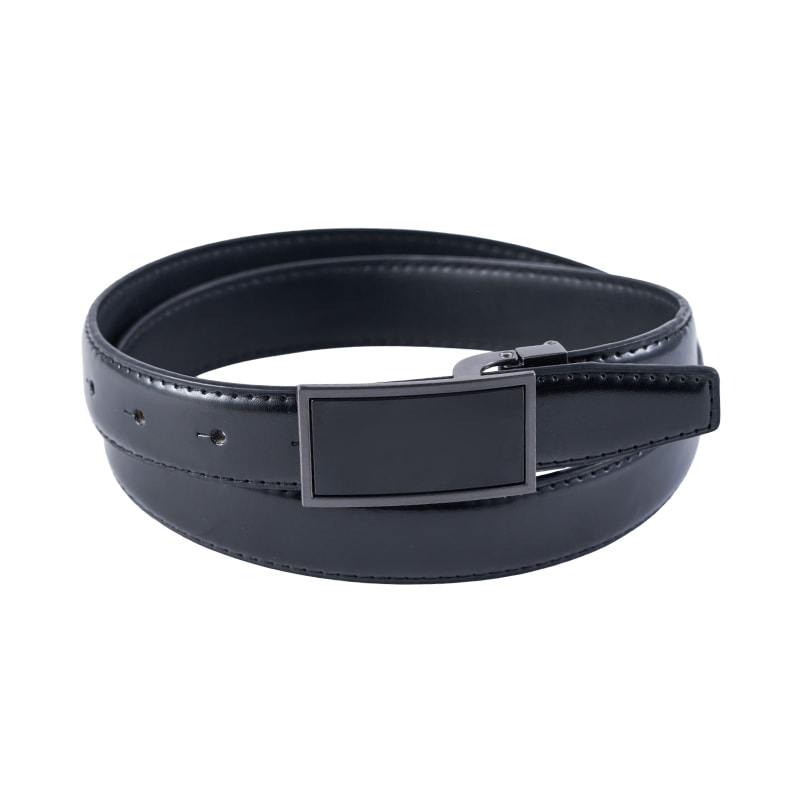
The raised crocodile-inspired texture adds depth that a plain smooth belt lacks. Black remains compatible with formal, business and many casual outfits, so the same accessory can serve different clothing styles. Final appearance is the result of material quality, pattern consistency, surface finish and buckle selection working together. A Crocodile Pattern Belt finished in black therefore offers a textured alternative for those seeking a more distinctive strap.
Points to Examine When Selecting an Embossed Belt
Actual material composition is confirmed rather than judged by surface alone. Pattern clarity and finish uniformity are inspected across the full length. Dimensions, hole spacing and buckle construction are checked against the intended use. Preferred clothing style and buckle design guide the final choice. Care instructions and full product specifications are reviewed before purchase.
Overview of Production Stages and Quality Focus
| Production Stage | Main Activity | Quality Focus |
|---|---|---|
| Material selection | Choosing leather suited to embossing | Thickness consistency and surface condition |
| Surface preparation | Cleaning and inspecting the sheet | Absence of defects that interrupt the pattern |
| Embossing | Pressing the scale design into the surface | Uniform depth, alignment and clarity |
| Color and finishing | Applying black tone and protective layers | Even coverage without masking the texture |
| Cutting and hole placement | Forming strap length, tip and adjustment holes | Straight edges and regular spacing |
| Edge work and stitching | Smoothing edges and adding stitches where required | Continuous finish and tidy stitch lines |
| Buckle installation | Attaching and aligning the hardware | Secure connection and free operation |
| Final inspection | Checking pattern, color, dimensions and construction | Freedom from visible defects before packing |
From Prepared Leather to Finished Embossed Accessory
Material preparation, embossing, coloring, cutting, edge finishing, buckle attachment and inspection together shape the final belt. Appearance depends on the consistency of the pattern, the quality of the finish and the accuracy of assembly. Yiwu Yonger Belt Co., Ltd. produces crocodile-embossed leather belts in black and related finishes. Review of available material types, pattern clarity, surface treatments, dimensions and buckle options against the intended use and preferred style allows selection of a belt that combines textured surface with practical everyday wear.