

 English
  русский
  Español
  Deutsch

Finding a suitable belt for a child often starts with a simple question: how long should it be? The answer is not based on age alone. A child's waist size, the position of the belt, the clothing underneath, and the way the belt is fastened can all change the fit.
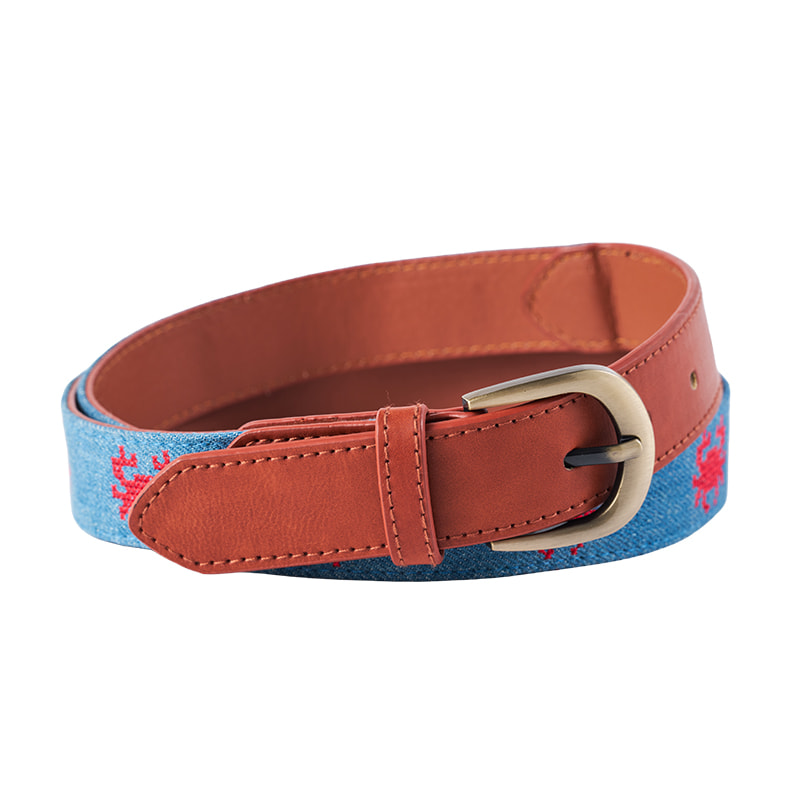
An Embroidery Belt adds another detail to the decision. Decorative stitching is often placed across the visible part of the belt, so the shape and length need to work well together. A belt may look suitable on its own but feel different once it is worn over a dress, skirt, or another garment.
For parents, clothing makers, and buyers, the practical approach is to look at the actual wearing situation rather than rely on a general size description. A few simple checks can make the choice more suitable for the child's clothing and everyday movement.
How Do You Measure a Child for an Embroidery Belt
Start by deciding where the belt will sit. A dress may call for a higher position, while a skirt or another garment may place the belt closer to the natural waist. Measuring at the wrong position can leave the finished belt either too tight or unnecessarily loose.
Have the child stand naturally rather than pulling the stomach in. Place a flexible measuring tape around the intended position and keep it level. It should touch the clothing or body without being pulled tightly.
Clothing thickness deserves some attention as well. A belt worn directly over a lightweight dress will not need the same allowance as one placed over several layers of fabric. If the belt is intended for one particular outfit, measuring while that outfit is being worn can give a more useful reference.
A simple measuring process can include:
- Decide where the belt will sit.
- Measure around that position.
- Keep the tape level.
- Avoid pulling the tape tightly.
- Check the measurement again before choosing the finished length.
The measurement should be treated as a starting point rather than the final belt length.
How Does a Child's Waist Size Affect Embroidery Belt Length
Waist size has a direct connection with belt length, but the two measurements are not interchangeable. A belt needs enough material to go around the waist and accommodate its fastening method.
For example, a tie-style belt needs room for the ends to cross and form a knot or bow. A belt with fastening positions works differently because the usable length changes according to where it is closed.
The position of the belt matters, too. A child's waist can have a different measurement at different heights. This is especially relevant when the belt is intended for a dress with a raised waistline.
The clothing itself can change the result. A belt that fits comfortably over a thin cotton dress may feel tighter when placed over a thicker outfit. Rather than choosing a size from waist measurement alone, it makes sense to consider how and where the accessory will actually be worn.
This is particularly relevant when buying an Embroidery Belt for more than one outfit. A small difference in garment construction can change how much usable space is needed around the waist.
How Much Extra Length Should a Kids' Embroidery Belt Have
There is no single extra length that works for every children's belt. The required allowance depends on how the belt closes and how much of the belt is intended to remain after fastening.
A belt that ends exactly at the waist measurement may leave no practical room for a buckle, knot, or other closure. At the other end, excessive length can leave a long tail that hangs awkwardly or gets in the way during movement.
The shape of the garment should also be considered. A loose dress may allow more room around the waist, while a fitted garment can require a closer fit. Children also move frequently, so the belt should not rely on being pulled tightly to remain in position.
The embroidery itself is worth checking before deciding on the finished length. If decorative stitching runs through an area that bends sharply or sits directly beside the fastening point, that section may receive more stress during use.
A useful fitting check is simple: put the child in the intended clothing, place the belt where it belongs, fasten it, and let the child move naturally. Walking, sitting, and bending can reveal issues that are not obvious when the child is standing still.
Should a Kids' Embroidery Belt Be Adjustable or Fixed Length
An adjustable belt can be practical when the same accessory will be used with different clothes. The fastening position can be changed to accommodate a slightly different waist measurement or a thicker layer underneath.
A fixed-length design has a different purpose. If the belt is intended for one outfit or a clearly defined wearing position, there may be little need for repeated adjustment. The key is knowing how the accessory will be used before deciding which construction makes sense.
| Belt design | Fit consideration | Suitable situation |
|---|---|---|
| Adjustable closure | Position can be changed | Different outfits or changing fit |
| Fixed length | Requires a closer size match | A specific outfit or defined waist position |
| Tie style | Length can be managed through tying | Flexible placement |
| Multiple fastening points | Offers several positions | Occasional adjustment |
For children, adjustability can also be helpful when clothing varies in thickness. However, adjustment should not become a substitute for choosing an appropriate basic length. If a belt needs to be pulled unusually tight or left with a large amount of loose material, the underlying size may not be suitable.
The fastening should also be easy to manage for the person dressing the child. A complicated closure can be inconvenient when the belt is part of everyday clothing.
How Does an Embroidery Belt Stay in Place on Children's Clothing
A belt that keeps moving out of position can be frustrating, particularly when a child is active. The reason is not always the fastening. The relationship between the belt and the clothing underneath can make a noticeable difference.
Smooth fabric may allow more movement than a textured garment. A loose fit can create another problem because the belt has less support around the waist. Belt width and material flexibility also affect how closely the accessory follows the shape of the garment.
The fastening point should sit where the belt is intended to rest rather than being pulled toward one side. If the belt repeatedly turns or drops, checking its position and length may be more useful than simply tightening it.
For an Embroidery Belt used with children's clothing, movement should be considered part of the fitting process. A child may walk, sit on the floor, bend down, or play soon after getting dressed. A comfortable fit needs to remain manageable through these ordinary movements.
A quick check before leaving home can help. Have the child move around while wearing the belt and see whether it stays in the intended position. This also provides an opportunity to check whether the fastening feels uncomfortable or whether the belt tail is getting in the way.
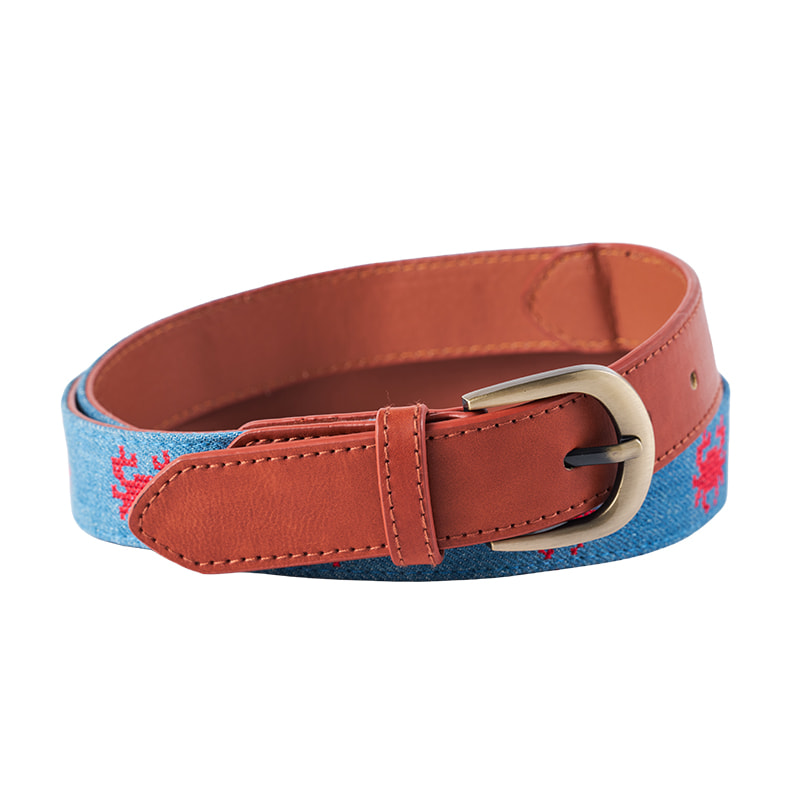
How Does Belt Width Affect an Embroidery Belt's Fit for Kids
Width changes the way a belt sits across clothing. A narrow belt takes up less space and can work naturally with lightweight garments. A wider style covers more of the waist area and can create a different appearance, particularly on a loose dress or layered outfit.
There is also a practical difference in how the material bends. A wide belt may need more room to follow the curve of a child's waist, while a narrow design can bend more easily. Neither approach is suitable for every garment.
The embroidery pattern should be considered at the same time. A wide surface gives a decorative pattern more room, while a narrow surface may call for a simpler arrangement so that the design remains clear.
| Belt width | Clothing consideration | Fit consideration |
|---|---|---|
| Narrow | Lightweight or less layered clothing | Easier to position in a smaller area |
| Medium | Various everyday outfits | Balanced coverage around the waist |
| Wide | Loose or layered garments | Covers a larger section of the garment |
Width should therefore be considered together with length. A belt may have the correct circumference but still feel unsuitable if its width does not work with the clothing or the child's proportions.
How Should You Wash a Children's Embroidery Belt
The stitched decoration needs a little care during cleaning. Frequent rubbing can affect loose threads, while rough handling may change the shape of the underlying fabric.
Before washing, check the care information provided with the product. Different materials can respond differently to water, heat, and cleaning products, so there is no single washing method that should be applied to every belt.
If hand washing is appropriate, gentle movement in the water is preferable to vigorous scrubbing. Pay particular attention to areas with decorative stitching. Pulling at a loose thread can make the problem larger.
After washing, avoid twisting the belt aggressively. Excessive force can leave the material misshapen and may place unnecessary strain on the embroidery.
A few simple habits can make routine care easier:
- Check the care instructions before washing.
- Avoid strong rubbing across embroidered areas.
- Do not pull loose threads.
- Keep unnecessary heat away from the material.
- Let the belt dry in a way that helps retain its original shape.
Children's accessories can need cleaning more often than accessories used only for special occasions. Keeping the cleaning process gentle can help preserve the fabric and decorative details through repeated use.
How Should a Kids' Embroidery Belt Be Stored Between Uses
Storage becomes important when a belt is used with occasional outfits rather than every day. Embroidery can catch on nearby objects, and repeated pressure in the same place can leave creases in the fabric.
A clean, dry storage space is usually a sensible starting point. The belt can be kept flat if there is enough room. Rolling it loosely is another option when a drawer or storage box is more convenient.
Avoid placing heavy items directly on top of the embroidered surface. Hooks, zippers, and rough accessories can also catch the threads when several clothing accessories are stored together.
If the belt has been washed, make sure it is fully dry before putting it away. Storing damp fabric can create an unpleasant environment for the material and may affect its condition.
For a child's Embroidery Belt, keeping it with the outfit it belongs to can also make dressing easier. It reduces the chance of the belt being misplaced and helps preserve the connection between the accessory and the clothing for which its size was selected.