

 English
  русский
  Español
  Deutsch

A leather belt can seem like a minor accessory at first glance, yet its design actually involves a surprising number of choices that shape how it feels, fits, and works alongside different clothing. The surface texture, strap width, length, buckle style, edge treatment, and construction around the connection points all contribute to the character of the finished piece.
For buyers, these same details matter when comparing products across suppliers or preparing a custom order. Two belts can look nearly identical in a photo yet feel quite different once handled, simply because of the leather selection, finishing method, or how the buckle area was put together. Looking at each of these elements on its own terms tends to make product selection a lot clearer, and it helps pin down exactly what needs specifying before production even starts.
Which Leather Type Works Well for Men's Belts
Leather selection shapes both the look and the handling of a finished strap. Different leather types carry different surface textures, flexibility levels, thicknesses, and responses to daily wear. Rather than treating leather as one uniform category, it helps to think through how each type actually suits its intended use.
Some surfaces have a firmer feel and hold a structured shape well, while others feel noticeably softer and bend with less resistance. Surface treatment shifts the visual character too — a smooth finish tends to suit a cleaner outfit, while a more textured surface pairs naturally with casual clothing.
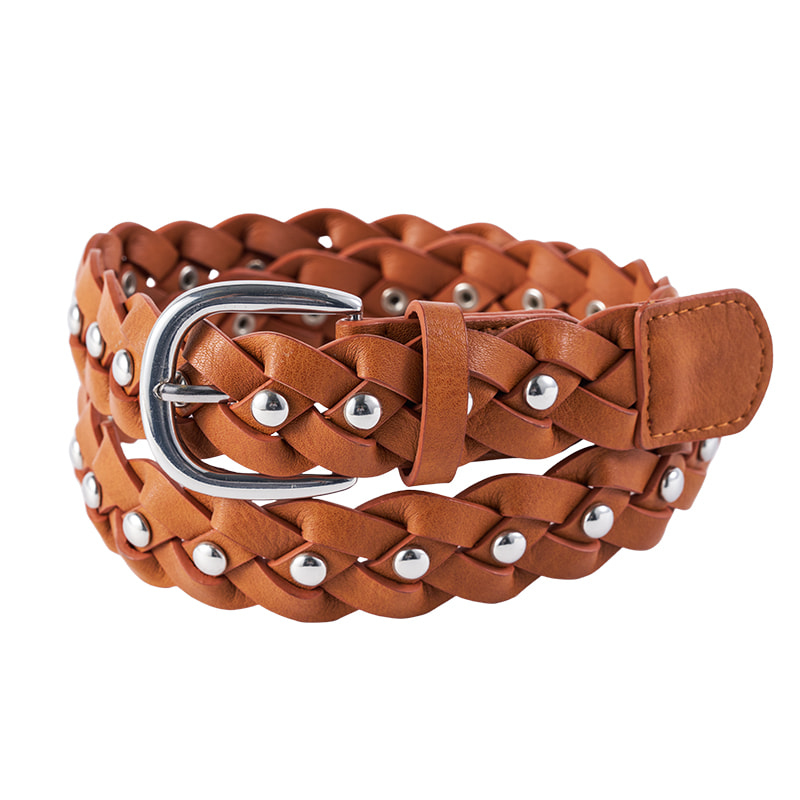
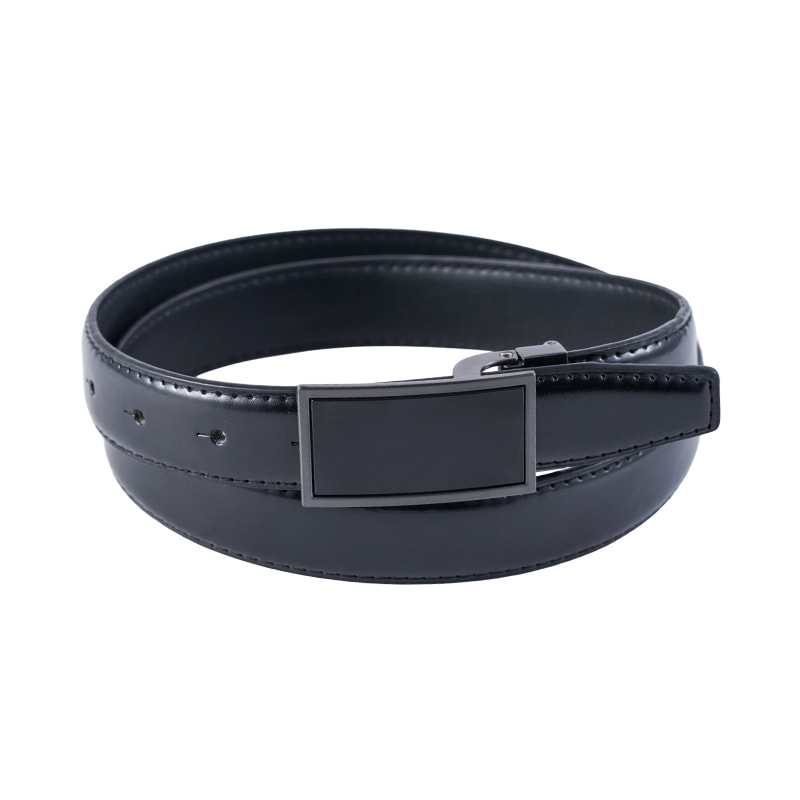
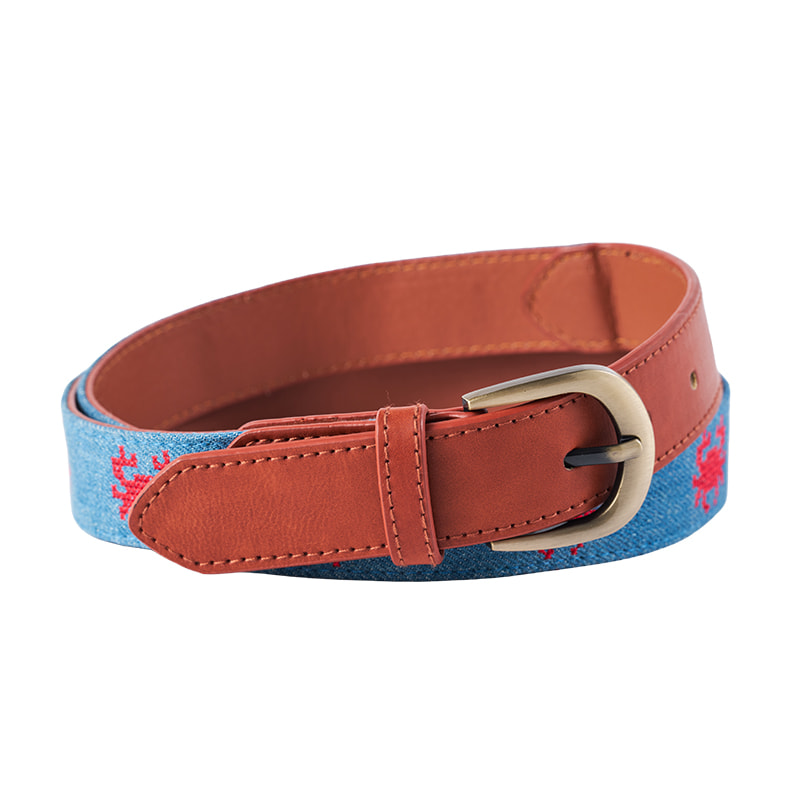
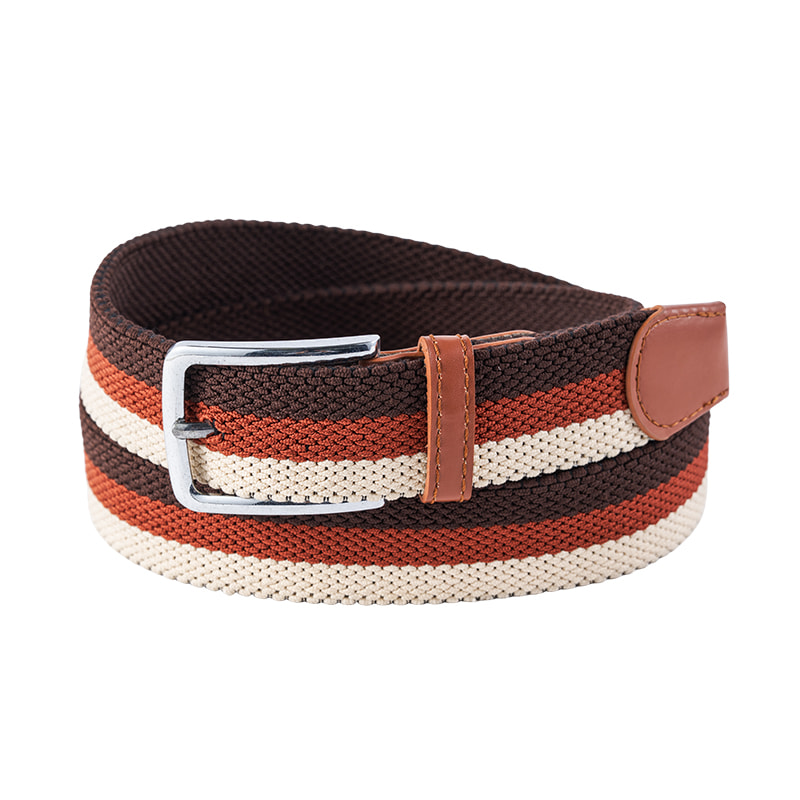
When comparing Belt Men Leather products side by side, it helps to weigh appearance against everyday handling. A strap meant for regular casual wear may benefit from a softer, more flexible feel, while one paired with formal clothing usually calls for a cleaner surface and a more restrained overall construction.
The reverse side deserves a look too. Its finish affects how the belt sits against clothing and how the material responds to repeated bending over time. Checking both sides rather than just the visible face gives a much clearer picture of what the product actually offers.
| Leather Consideration | What to Look At | Possible Use Consideration |
|---|---|---|
| Surface texture | Smooth, textured, or visibly grainy | Outfit style and visual character |
| Flexibility | How easily the belt bends | Frequency of daily wear |
| Thickness | Overall feel and structure | Casual or formal clothing |
| Finish | Matte or more polished appearance | Desired visual effect |
How Should a Men's Leather Belt Be Sized for Daily Wear
A suitable size isn't simply a matter of matching the same number printed on a pair of trousers. The actual measurement depends on where the strap sits on the body, how the buckle is built, and where the adjustment holes fall along its length.
A practical way to think through sizing is measuring the distance from the buckle attachment point to whichever hole gets used most often during normal wear. The strap should leave enough room for adjustment without forcing an unusually tight or loose fit at either extreme.
The buckle itself influences overall length as well. Different buckle structures take up different amounts of space, so two straps sharing the same stated length may not feel identical once worn. This becomes particularly relevant with custom-specified products, where small structural differences can add up.
For buyers weighing Belt Men Leather options, size details should get checked alongside buckle design and hole placement together, not separately. A clear, consistent measurement method also cuts down on confusion when communicating specifications to a supplier.
It's worth thinking through how the belt will actually be worn too. A strap paired with trousers that sit differently on the waist may call for a different length than one intended for another category of clothing entirely.
How Does Belt Width Affect Men's Leather Belt Styling
Width changes the visual proportion of a strap and also affects how smoothly it passes through the loops of different trousers. A width that works naturally with jeans might create a noticeably different impression once paired with dress trousers instead.
For casual clothing, a slightly more substantial width can complement heavier fabrics and looser silhouettes. Formal clothing generally calls for a cleaner relationship between strap and trouser loops, with the belt sitting naturally rather than bunching or gapping.
Width should get considered alongside buckle size too. A narrow strap paired with an oversized buckle creates a different overall impression than a wider strap matched with a compact one. Leather surface and edge treatment shape that final impression further still.
When choosing Belt Men Leather pieces for different clothing categories, it helps to treat the belt as a combination of width, buckle, leather, and trouser construction working together, rather than judging width as an isolated feature.
A few practical comparisons worth considering before placing an order:
- Casual trousers — pay attention to loop size and overall fabric weight
- Jeans — a slightly heavier strap tends to coordinate well with denim construction
- Formal trousers — a restrained width paired with a cleaner buckle creates a more balanced look
- Mixed wardrobes — a moderate, versatile design offers flexibility across several outfit types
What Makes a Leather Belt Comfortable for Daily Wear
Comfort tends to come from a handful of small construction choices working together, rather than any single standout feature. Leather flexibility, strap thickness, edge treatment, buckle shape, and how the strap bends around the waist all play into the overall wearing experience.
A strap that feels stiff when new often becomes easier to bend over time, depending on its material and construction. That said, excessive stiffness can make everyday movement feel less natural, particularly during long stretches of sitting.
Edges deserve real attention as well. Cleanly finished edges cut down on an unpleasant rough sensation against clothing or skin. The buckle should sit securely too, without creating unnecessary pressure during movement or while seated.
The area surrounding the buckle carries particular importance since it absorbs repeated stress throughout regular use. A carefully built connection here helps the piece hold its shape through everyday handling.
| Comfort-Related Detail | Why It Matters |
|---|---|
| Leather flexibility | Influences how the strap bends around the waist |
| Strap thickness | Changes the feel and structure |
| Edge finishing | Affects contact with clothing and skin |
| Buckle shape | Influences pressure and movement |
| Buckle attachment | Handles repeated bending and pulling |
Comfort really deserves consideration before appearance gets weighed on its own. Even a visually simple strap can require careful attention to its underlying physical construction.
How Do Buckle Designs Change Men's Leather Belts
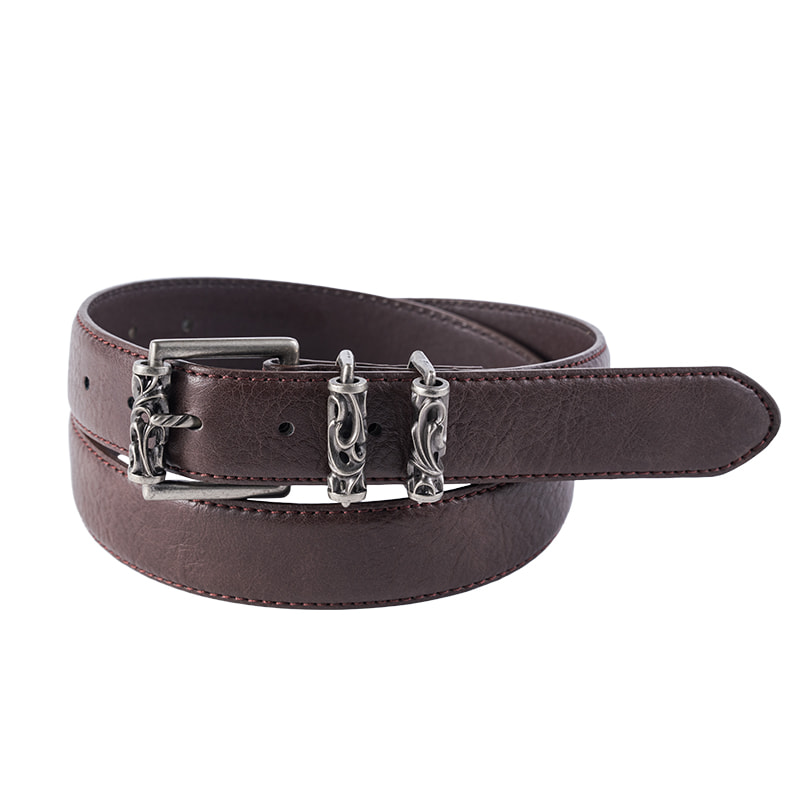
The buckle stands out as one of the most noticeable parts of any strap, and it also shapes how the whole piece gets adjusted day to day. Different designs offer different ways of securing the strap, which changes the overall user experience in small but meaningful ways.
A traditional pin buckle relies on holes spaced along the strap for adjustment. This structure feels familiar and lets the wearer pick a position based on available holes. Other buckle styles rely on a different adjustment mechanism entirely and can create a cleaner front appearance as a result.
Buckle material and surface finish shape the visual relationship between the metal component and the leather surface too. A restrained buckle supports a formal look, while a more prominent design tends to suit casual clothing better.
For Belt Men Leather design work, the buckle really shouldn't be treated as an independent decorative piece. Its size, shape, attachment method, and finish all need to work together with the strap width and leather surface as one cohesive design.
When selecting a buckle, it's worth thinking through:
- How the strap will actually get adjusted
- Whether the buckle size matches the strap width
- How the buckle sits against clothing when worn
- Whether the finish suits the intended clothing category
- How securely the buckle connects to the leather
Why Do Some Men's Leather Belts Develop Creases Quickly
Creasing is simply a natural part of how leather responds to repeated bending over time. The waist area sees constant movement, especially through sitting, standing, and shifting posture throughout the day.
Where creases appear and how noticeable they become depends on the flexibility of the leather, its thickness, surface treatment, and how often the piece gets worn. A softer strap tends to bend easily but may show shape changes sooner, while a firmer strap often holds its structured appearance longer before visible bending marks show up.
Storage habits play a role too. Folding a strap tightly in the same spot repeatedly tends to create a concentrated bend point. Hanging it in a natural position between wears can help spread out pressure rather than concentrating it in one section.
Creasing really deserves consideration in relation to intended use rather than getting treated as some isolated flaw. A strap designed for frequent daily movement will naturally show repeated bending as part of normal wear.
Care habits matter here too. Cleaning methods should match the specific leather finish, since excessive conditioning or unsuitable products can alter the surface feel over time. Simple, consistent handling habits go a long way toward preserving the original appearance without requiring elaborate maintenance routines.
How Can Buyers Compare Leather Belt Samples From Suppliers
Purchasing for a business involves more than glancing at overall appearance. Small construction details often reveal whether a sample genuinely matches the requested design or just looks close enough at first glance.
The leather surface deserves examination under ordinary lighting conditions. Look for consistency in texture, color, edge treatment, and overall finish across the piece. The strap should also get bent gently to observe how it responds and whether the construction feels even along its full length.
The buckle connection is another worthwhile inspection point. Check whether the buckle sits securely, whether the attachment looks neatly finished, and whether the strap stays properly aligned when handled.
Measurements deserve checking against agreed specifications too. Width, length, hole placement, and buckle dimensions all shape the finished product and should be reviewed together rather than in isolation.
A sample review can follow a fairly simple sequence:
- Check the leather surface and overall finish
- Examine strap edges and stitching closely
- Test flexibility with gentle handling
- Inspect the buckle and its attachment point
- Compare physical dimensions against the requested design
- Confirm whether the sample suits the intended clothing application
This kind of hands-on approach gives buyers a far more practical basis for supplier communication than relying on photographs alone ever could.
Which Details Matter When Customizing Men's Leather Belts
Customization starts with clearly defining every part that affects the finished product. Buyers often arrive with a general design in mind, but production runs a lot more smoothly once each component gets specified individually.
Leather type and surface finish should get discussed together, since they shape both appearance and handling simultaneously. Strap width and length then establish the basic shape, while buckle selection determines both adjustment method and how the front of the piece ultimately looks.
Color deserves clarification before production begins too. The same general color name can look quite different depending on the leather surface and finishing process used, so a physical sample often provides a clearer reference point whenever consistency really matters.
Other details worth specifying include stitching style, edge treatment, hole shape, buckle attachment method, packaging, and placement of any brand marking. These elements aren't purely decorative — they're genuinely part of the product specification.
For custom Belt Men Leather orders, a clear specification can be organized in a simple format like this:
| Design Area | Details to Confirm |
|---|---|
| Leather | Material type, surface, and feel |
| Strap | Width, length, thickness, and edge finish |
| Color | Main color and surface appearance |
| Buckle | Shape, size, finish, and attachment |
| Adjustment | Hole layout or buckle adjustment method |
| Stitching | Thread appearance and placement |
| Packaging | Individual packing and outer presentation |
Clear communication at this stage tends to head off misunderstandings between buyer and supplier well before production begins. It also makes later sample review considerably easier, since each physical feature can get checked against the agreed design directly rather than judged on general appearance alone.