Women's Belts: Materials, Styles, Manufacturing Details, and Custom Options
Women's belts do more than just keep a garment in place. Across fashion collections, they're what defines a waistline, adjusts the proportions of an outfit, and adds a finishing touch to jeans, trousers, dresses, coats, and skirts alike. For brands and retailers, a ladies' belt category built out well can cover both everyday essentials and seasonal fashion pieces at once—everything from slim leather belts meant for dresses to wider jeans belts carrying statement buckles.
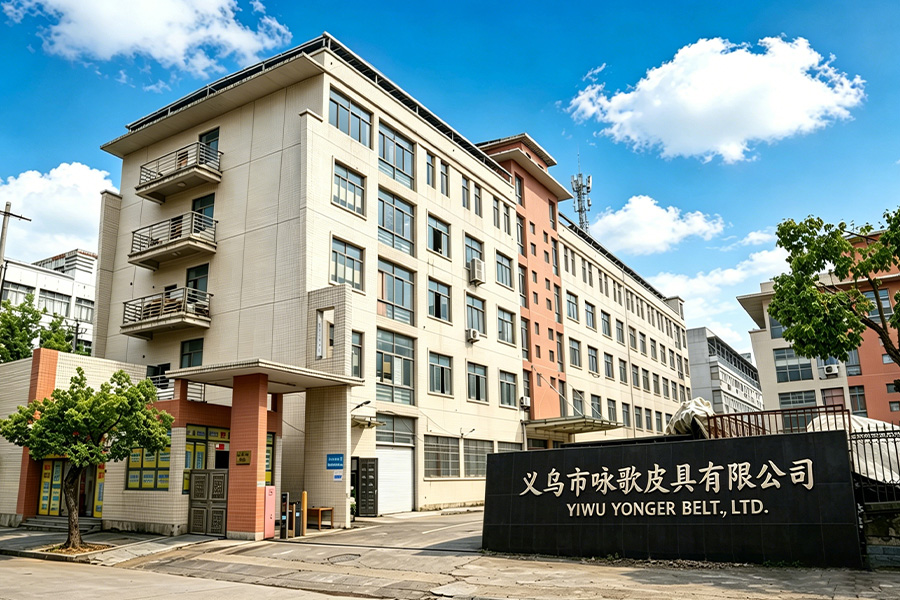
At Yonger, women's belts get developed with close attention to material performance, buckle finishing, edge durability, sizing comfort, and how adaptable a style actually is. Drawing on years of belt production experience, the factory works across a wide range of female belt designs, using genuine leather, PU, recycled leather, textile combinations, and mixed-material constructions depending on what the project calls for.
What Are Women's Belts?
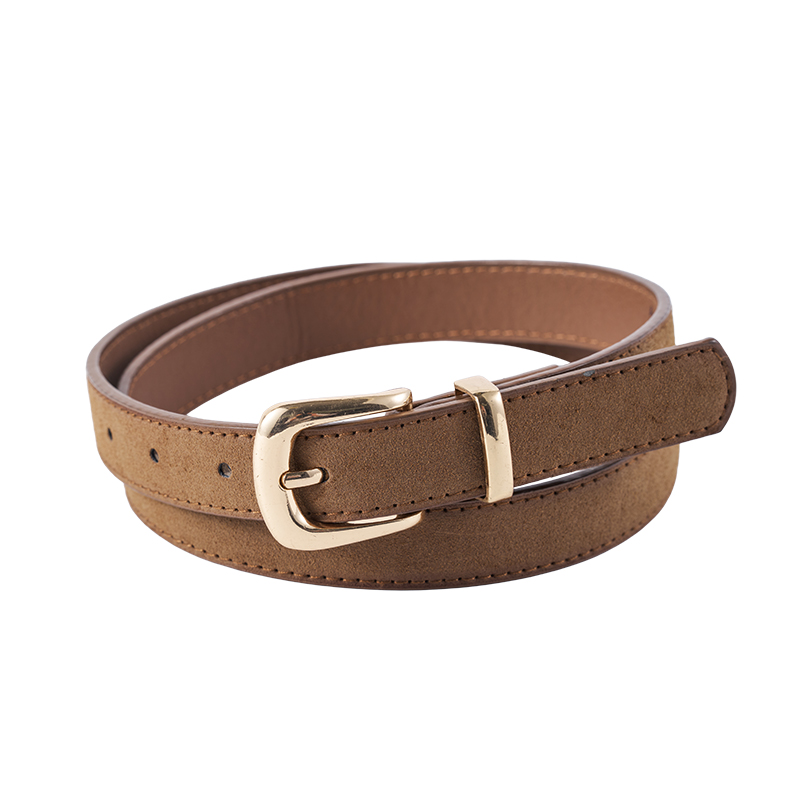
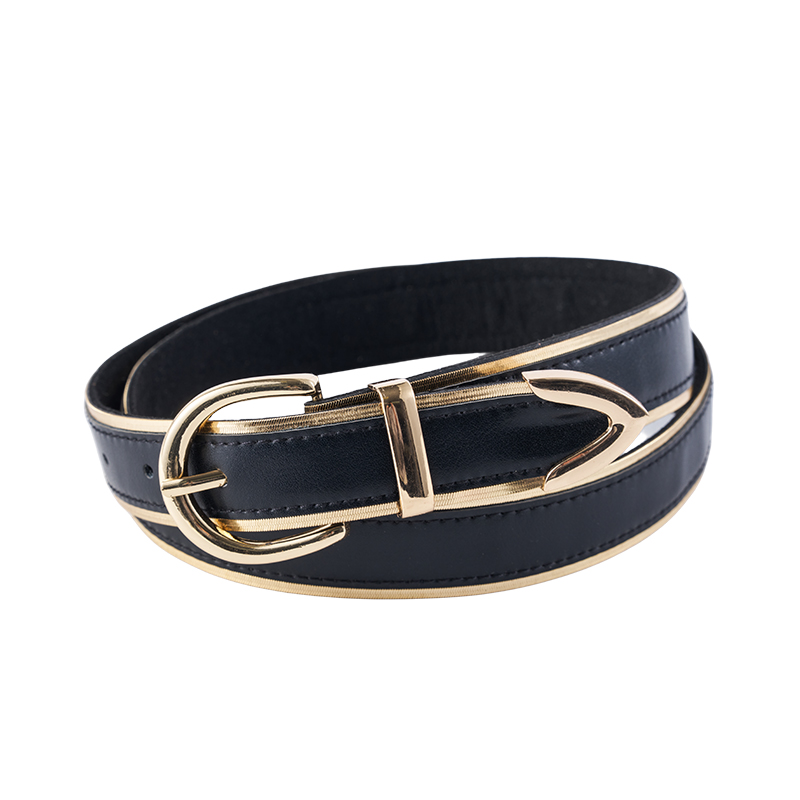
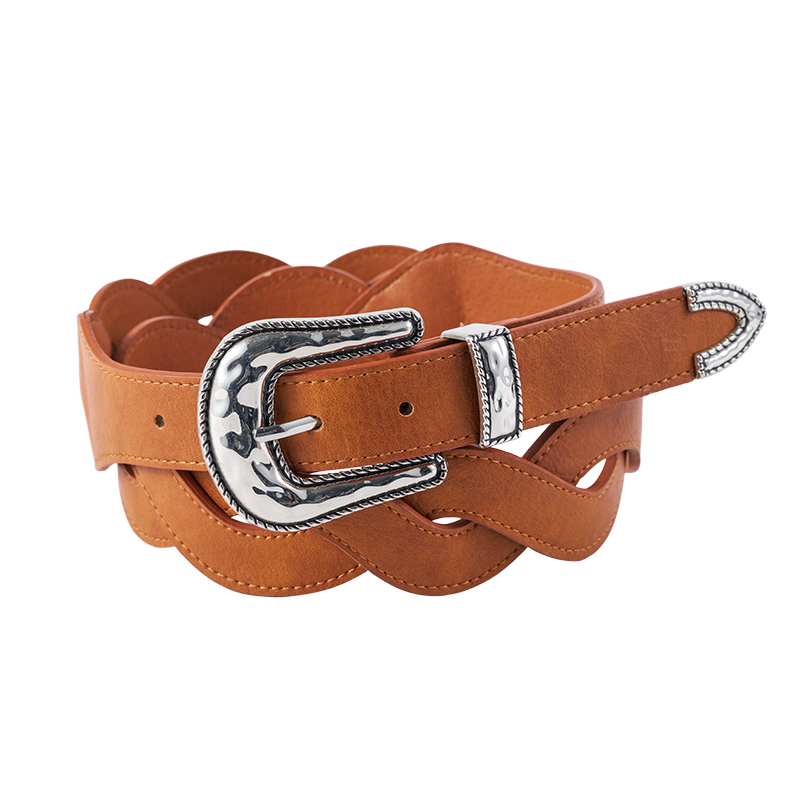
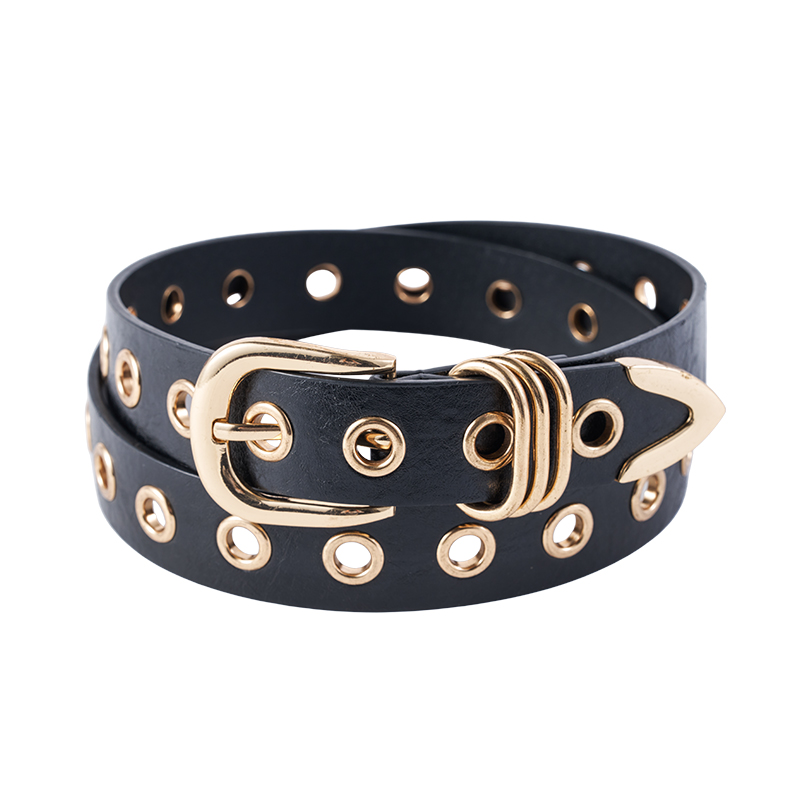
Women's belts serve as waist accessories built for both functional adjustment and fashion styling. Set against men's belts, women's styles typically carry a lot more variation—in width, color, buckle shape, surface texture, and decorative detailing. Depending on the piece, they might show up as jeans belts, dress belts, coat belts, skirt belts, or fashion waist belts.
Widths for women's belts generally fall somewhere between 2cm and 4cm, with the exact figure depending on the garment and the style being targeted. At Yonger, standard widths run at 2.5cm, 3.0cm, and 3.8cm, striking a balance between flexibility, wearing comfort, and resistance to abrasion. Narrower belts tend to get picked for dresses and lighter trousers, while wider ones work better with denim, casual pants, and outerwear.
A women's belt is typically built from several key components: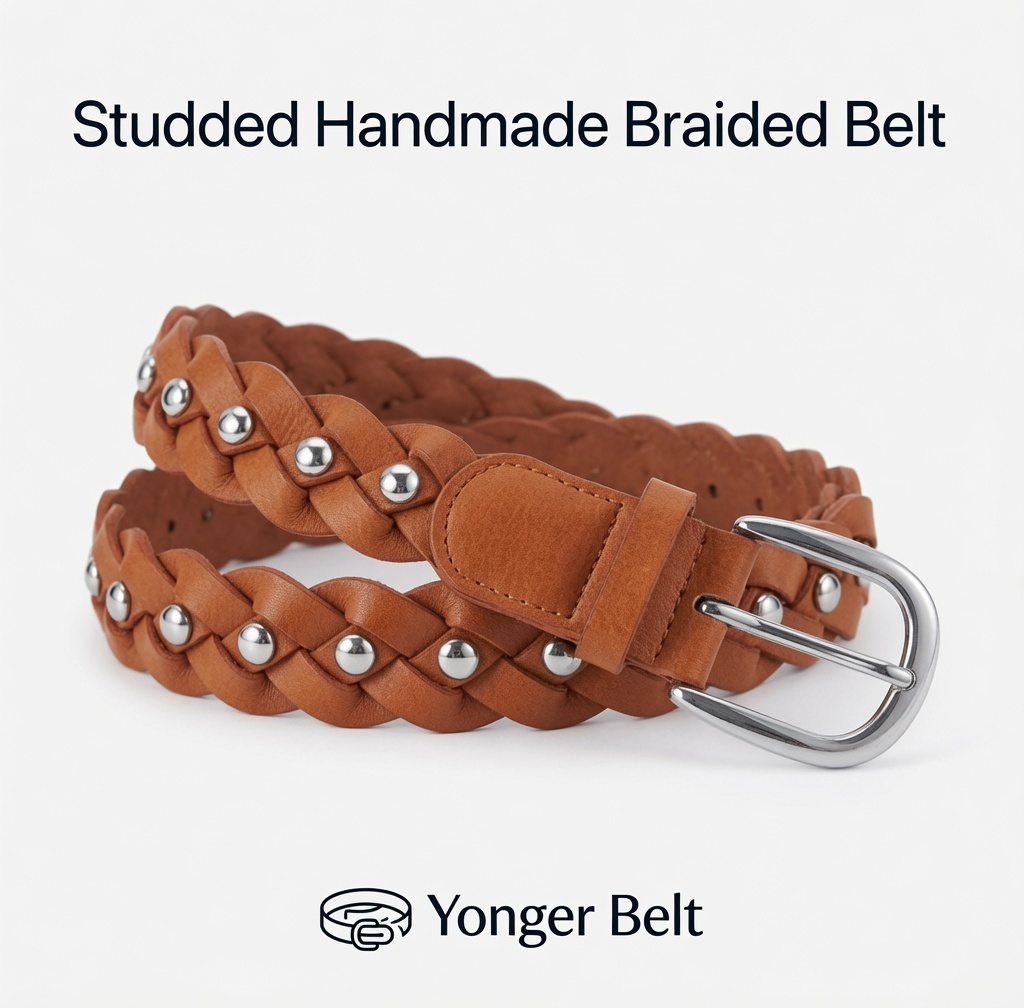
- Belt strap: the main body, made from leather, PU, recycled leather, fabric, or spliced materials
- Buckle: metal or covered buckle handling both fastening and visual design
- Keeper loop: fixed or movable loop holding the belt tip in place
- Holes: usually 5 or 7, allowing adjustable fitting
- Tip end: may carry embossing, a laser logo, stitching, or a special cutting shape
- Edge finishing: sealed or painted edges that cut down on cracking and improve overall appearance
Getting a women's jeans belt or fashion belt right, in the end, comes down to how well appearance, comfort, and long-term durability come together in one piece.
Product Features of Women's Belts
Women's belts lean heavily on style, but the construction underneath still has to hold up. A belt can look simple on the surface, yet every small detail plays into how it actually performs through daily wear.
Width and Wearing Comfort
Width shapes both how a belt looks and how it functions. A 2.5cm belt pairs naturally with dresses, skirts, and more elegant trousers. A 3.0cm width sits in the middle, working well for daily fashion and casual pants. Moving up to 3.8cm suits denim better, giving a stronger, bolder styling effect.
Yonger develops belts across widths from 2cm to 4cm, which gives different collections room to match garment loops, follow seasonal trends, and land where a brand wants to sit in the market.
Buckle Design and Surface Finish
The buckle usually ends up being the most eye-catching design element on a women's belt. Yonger works with buckle finishes including:
- Metal brushing for a refined, textured surface
- Matte plating for a softer, more modern look
- Baking varnish for colored, glossy, or semi-gloss buckle effects
- Polished metal suited to classic and dress-focused styles
- Antique finishing for vintage-inspired jeans belts
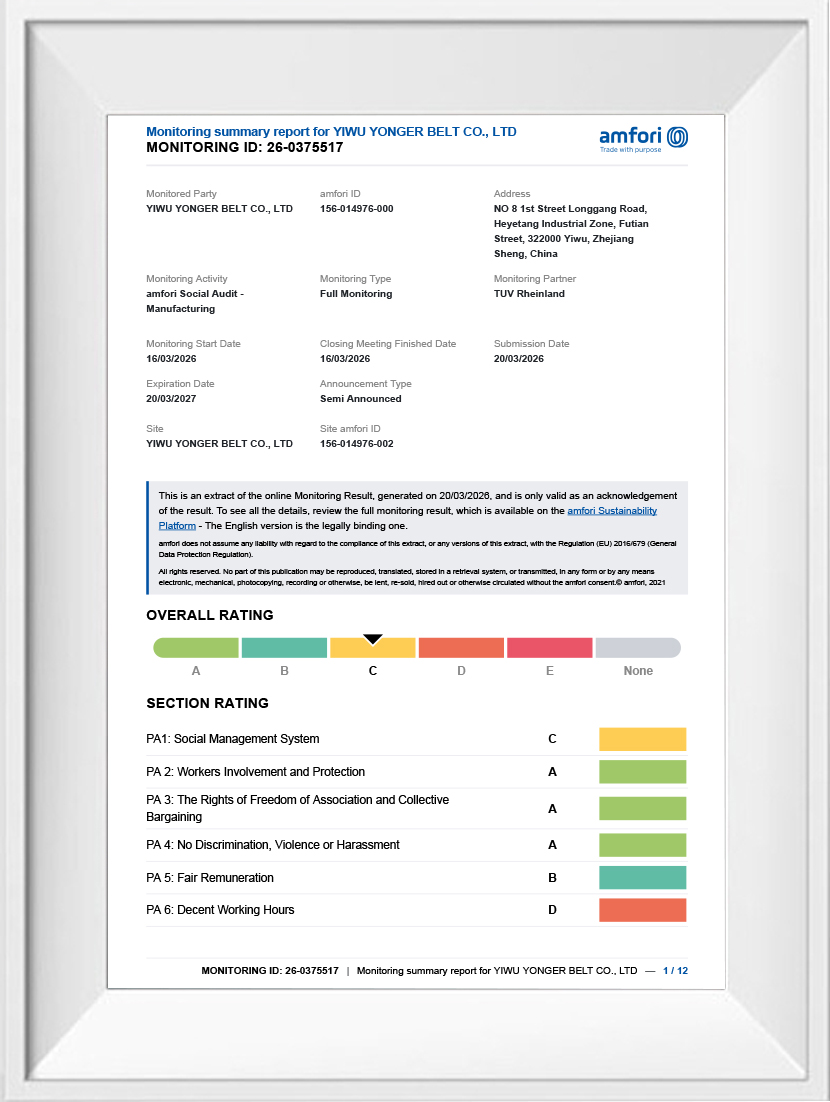
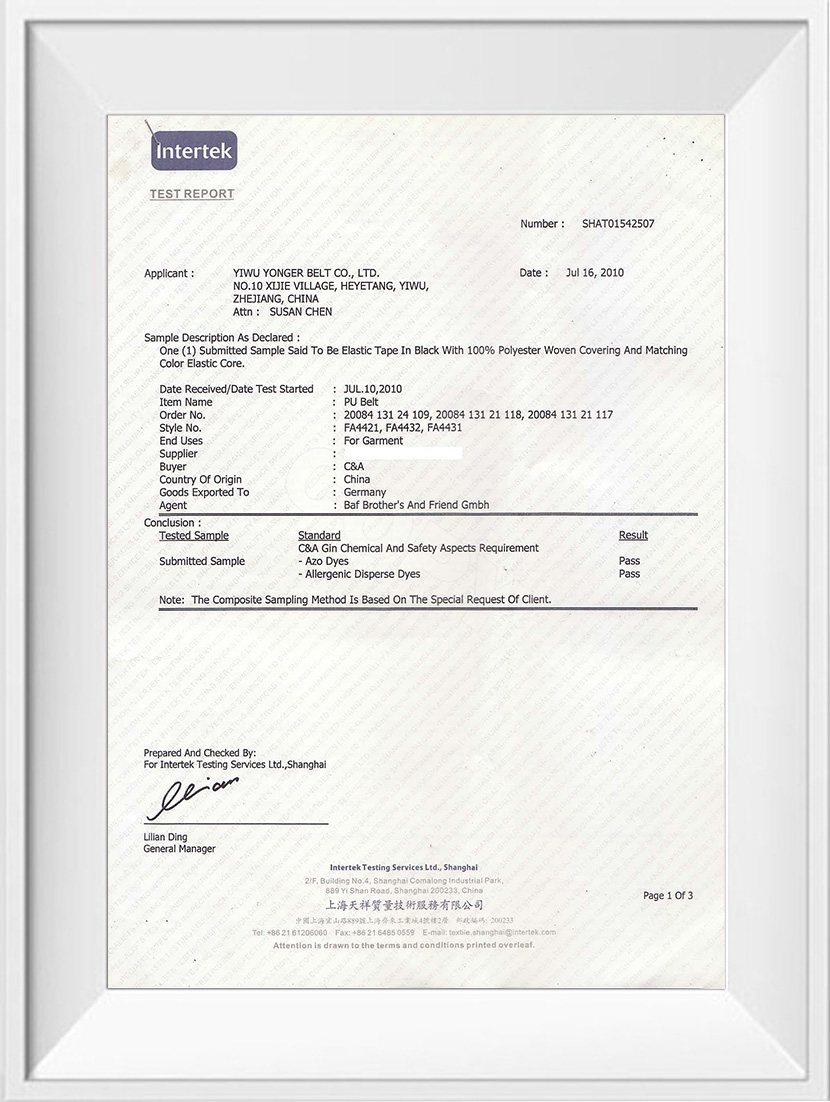
All metal components go through nickel release testing to confirm safe skin contact—a requirement that matters for accessories sold across many international markets.
Edge Sealing and Strap Durability
Cracking along the edge after repeated bending is a common weak point in lower-grade belts. Edge paint sealing helps address this—it covers the cut edge, keeps the visual line clean, and helps stop layered materials from separating over time.
For women's belts worn with jeans or everyday outfits, abrasion resistance matters even more. Material choice, glue quality, stitching tension, and how thick the edge coating is all feed into how well a belt holds up in the long run.
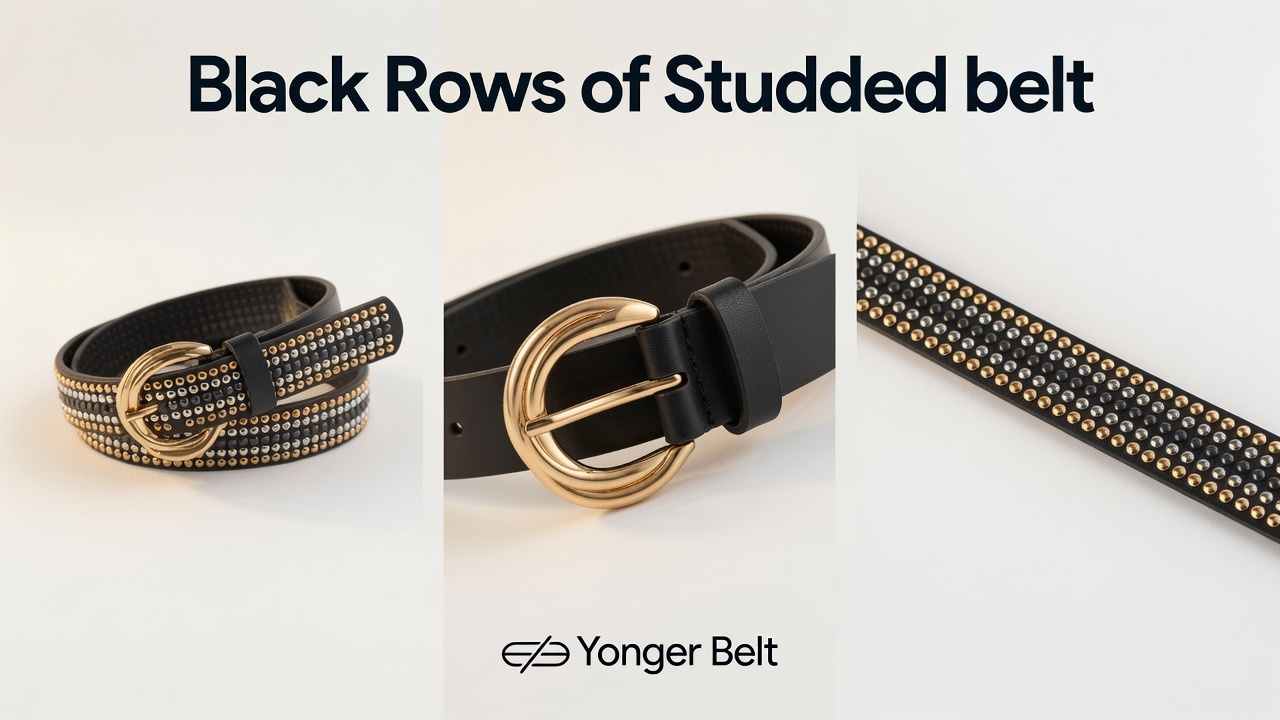
Common Materials and Manufacturing Processes
Material choice shapes a belt's feel, price positioning, appearance, and how long it lasts. On the manufacturing side, each material calls for its own approach to cutting, bonding, stitching, and finishing.
Genuine Leather
Genuine leather earns its place through natural grain, flexibility, and a premium hand feel that's hard to replicate. It shows up often in classic women's belt designs, dress belts, and jeans belts built to last. Depending on the leather type and finish applied, the surface can come out smooth, pebbled, waxed, or embossed.
What makes it stand out:
- Natural variation across the surface
- Good flexibility once properly conditioned
- A strong, elevated look suited to mid to premium collections
- Compatibility with embossing and edge paint finishing
Before cutting even begins, genuine leather needs checking for scars, color consistency, thickness variation, and stretch direction.
PU Material
PU sees heavy use in fashion belts precisely because it opens up so many colors, textures, and surface effects. It can mimic leather grain, take on a metallic sheen, go patent-shine glossy, or settle into a soft matte texture. For seasonal designs where color matching and cost control carry weight, PU belts tend to make sense.
Quality really comes down to:
- Surface adhesion strength
- Resistance to peeling
- Flexibility under bending
- Color fastness
- Base fabric strength
A PU belt that's put together well shouldn't crack around the buckle fold or hole area, even with regular use.
Recycled Leather
Recycled leather brings together leather fibers, binders, and backing materials to produce a leather-like appearance while making better use of raw material. It's a common choice for fashion belts needing a stable surface, consistent thickness, and a cost structure that stays competitive.
Getting the performance right calls for proper lamination, edge sealing, and bending tests that stay under control throughout production.
Fabric Splicing and Mixed Materials
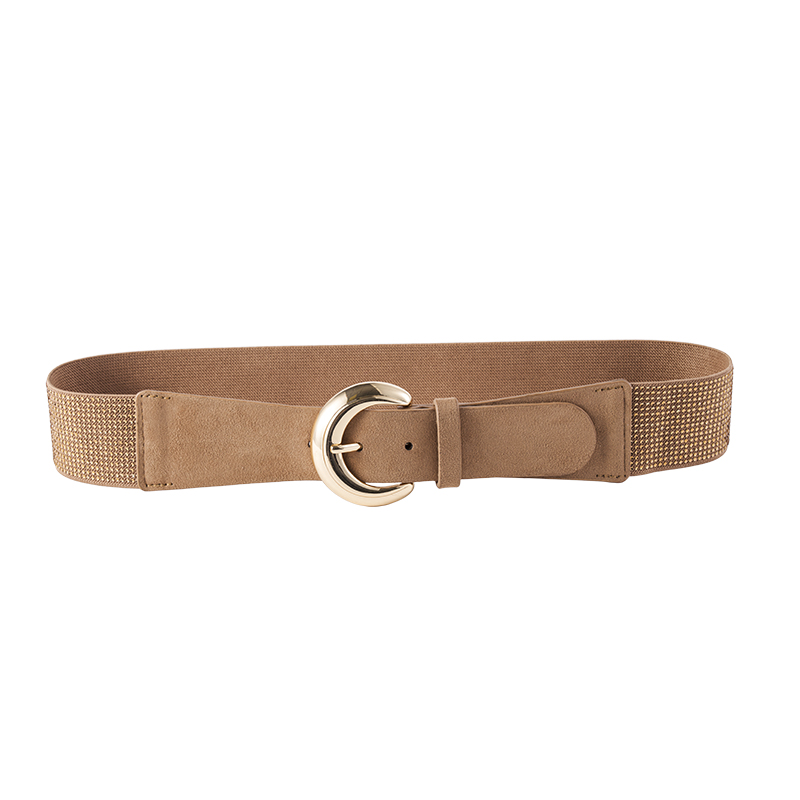
Fabric splicing brings textile panels together with PU, leather, or recycled leather sections. This construction turns up frequently in casual women's belts, seasonal fashion pieces, and decorative waist belts.
Fabric options commonly used include:
- Canvas
- Elastic webbing
- Jacquard textile
- Woven polyester
- Cotton-blend fabric
Splicing opens the door to more visual variety, letting soft fabric texture play off against more structured belt tips for contrast.
Style Classification of Women's Belts
A women's belt category, built out properly, tends to span several distinct style groups—each one tied to a different outfit function and merchandising role.
Women's Jeans Belts
Jeans belts typically run stronger and wider, usually landing somewhere around 3.0cm to 3.8cm. Features might include antique buckles, brushed metal finishes, thicker straps, contrast stitching, or embossed logos. Good abrasion resistance matters here, since denim loops create constant friction against the strap.
Dress Belts
Dress belts skew narrower and more refined, with 2.0cm to 2.5cm being the common range. They suit dresses, skirts, slim trousers, and office wear well. Smooth leather, fine PU, smaller buckles, and elegant edge paint tend to define this group.
Fashion Waist Belts
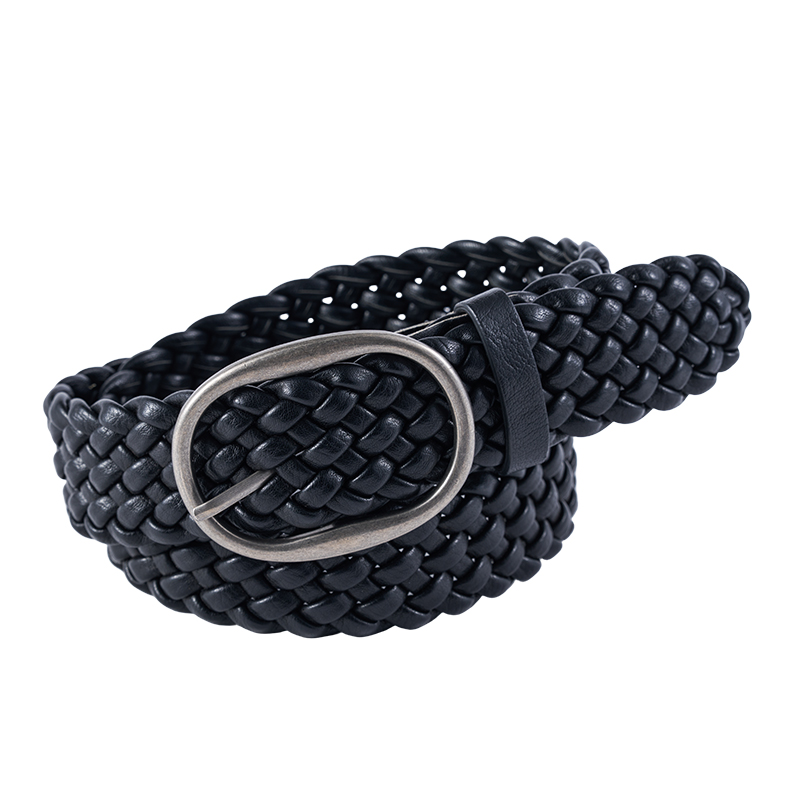
Fashion waist belts exist mainly to shape the silhouette, often worn over dresses, blazers, cardigans, or coats. Styles here range across wide straps, covered buckles, decorative metal parts, woven textures, and unconventional shapes.
Casual Everyday Belts
Casual belts prioritize comfort and versatility above all. Neutral tones—black, brown, tan, beige, white, navy—dominate this category. Simple buckles and medium widths keep these belts practical enough for daily wear.
Decorative and Seasonal Belts
Seasonal belts track whatever's trending at the moment. That can mean colorful PU, metallic surfaces, animal-print textures, fabric panels, chain details, or lacquered buckles. Yonger rolls out new styles on a quarterly basis, giving customers a way to keep collections aligned with shifting market trends.
Application Scenarios
Women's belts turn up across a wide range of apparel categories, and getting the design right really comes down to garment type, wearing occasion, and what the target consumer actually gravitates toward.
Where they typically show up:
- Jeans and denim pants: stronger straps, wider width, a buckle built to last
- Dresses: slim or waist-shaping belts that help define the silhouette
- Office trousers: clean lines, neutral colors, a refined buckle finish
- Coats and outerwear: wider belts or self-fabric matching styles
- Skirts: narrow to medium belts serving both waist adjustment and decoration
- Casual fashion: PU, fabric, or mixed-material belts in seasonal colors
Across Western Europe and North America, practical colors still hold their ground, but seasonal shades, buckle shapes, and material textures can shift sell-through performance quite a bit more than people might expect.
Custom and OEM Manufacturing Capabilities
At Yonger, women's belt development runs the full distance from concept through to finished product. Customization can touch nearly every part—belt width, strap material, surface texture, buckle design, logo position, hole quantity, color, stitching, and packaging.
Custom Belt Body
Belt body options on offer include:
- Genuine leather
- PU material
- Recycled leather
- Fabric splicing
- Elastic and textile combinations
- Smooth, pebbled, embossed, patent, matte, or metallic surfaces
Standard widths sit at 2.5cm, 3.0cm, and 3.8cm, though anything from 2cm to 4cm can be developed depending on what the garment calls for.
Buckle Customization
Buckles can be adjusted by shape, size, plating, and surface finish. Finishes available include:
- Brushed metal
- Matte finish
- Baking varnish
- Antique plating
- Polished plating
- Color-coated buckle surfaces
Picking a buckle isn't just about style—weight matters too. One that's too heavy can drag down wearing comfort, particularly on slim dress belts.
Logo and Branding Details
Brand details can appear subtly or make a statement, through options such as:
- Laser logo on the belt tip
- Embossed logo
- Debossed logo
- Printed logo on the inner strap
- Custom buckle mark
- Branded keeper loop
Yonger works with 5-hole or 7-hole configurations depending on the fit range needed, and hole spacing, tip shape, and strap length can all be adjusted as well.
Production Capacity and Replenishment Support
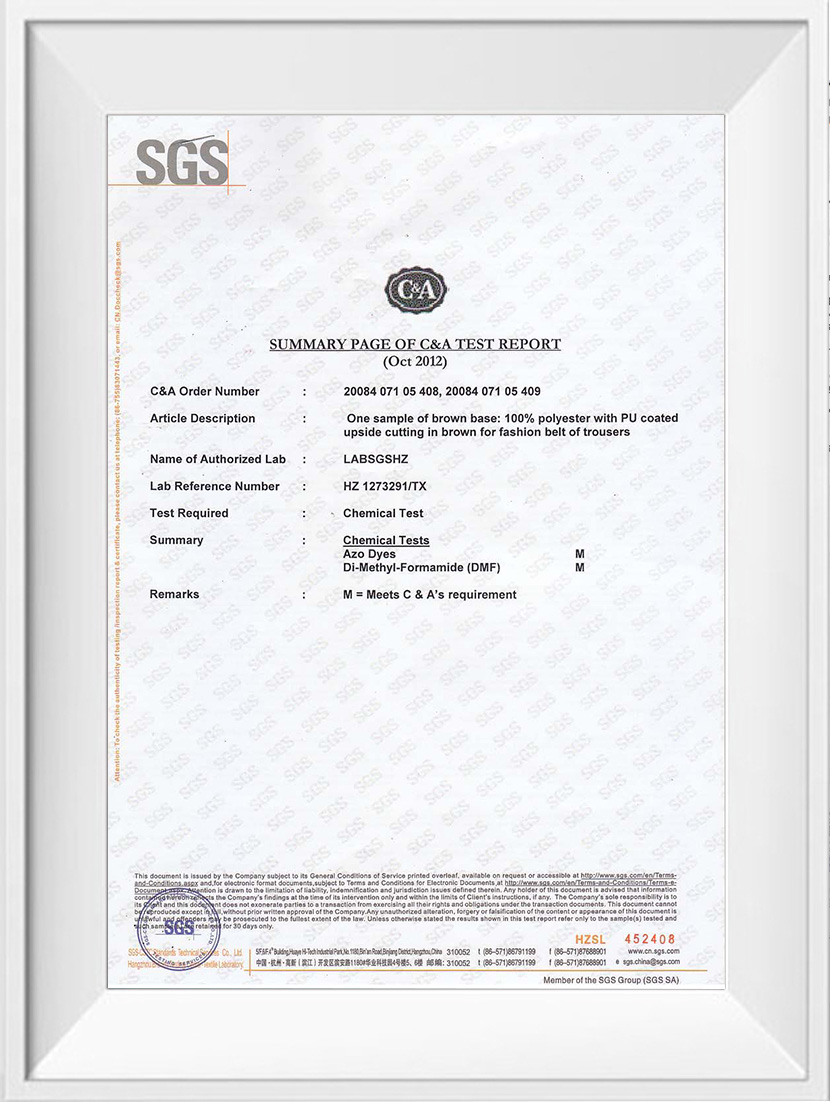
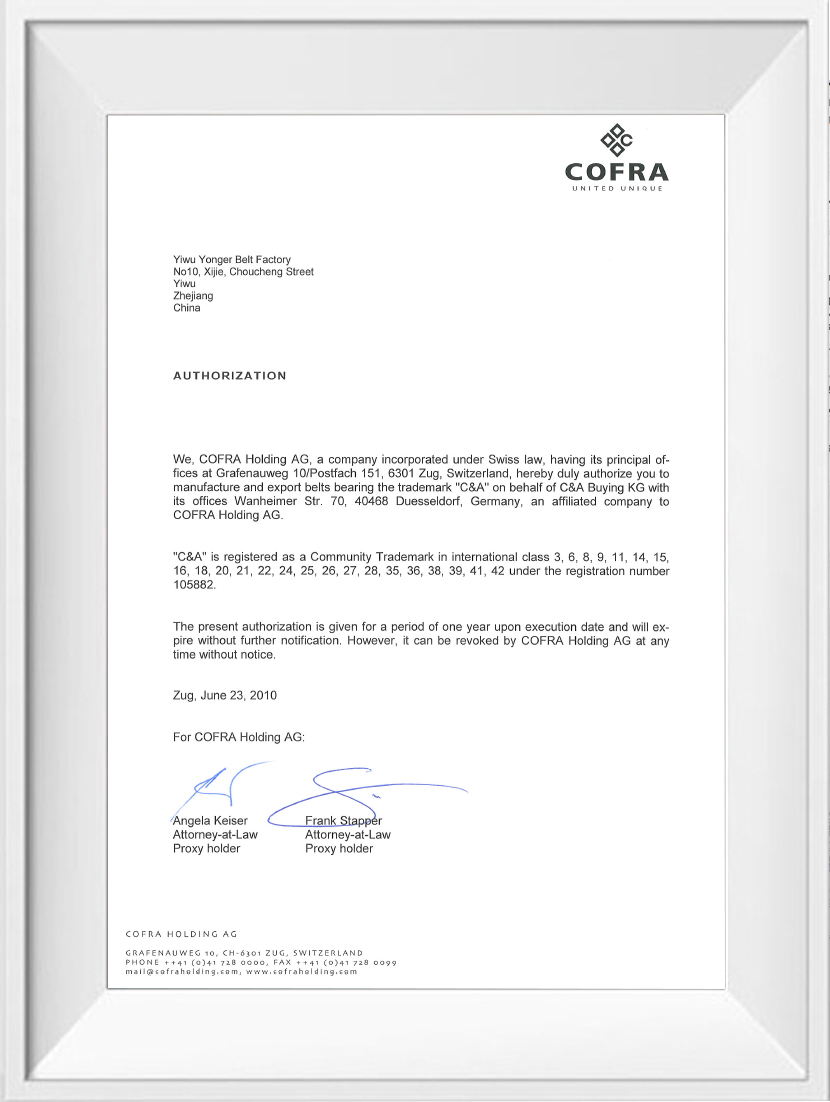
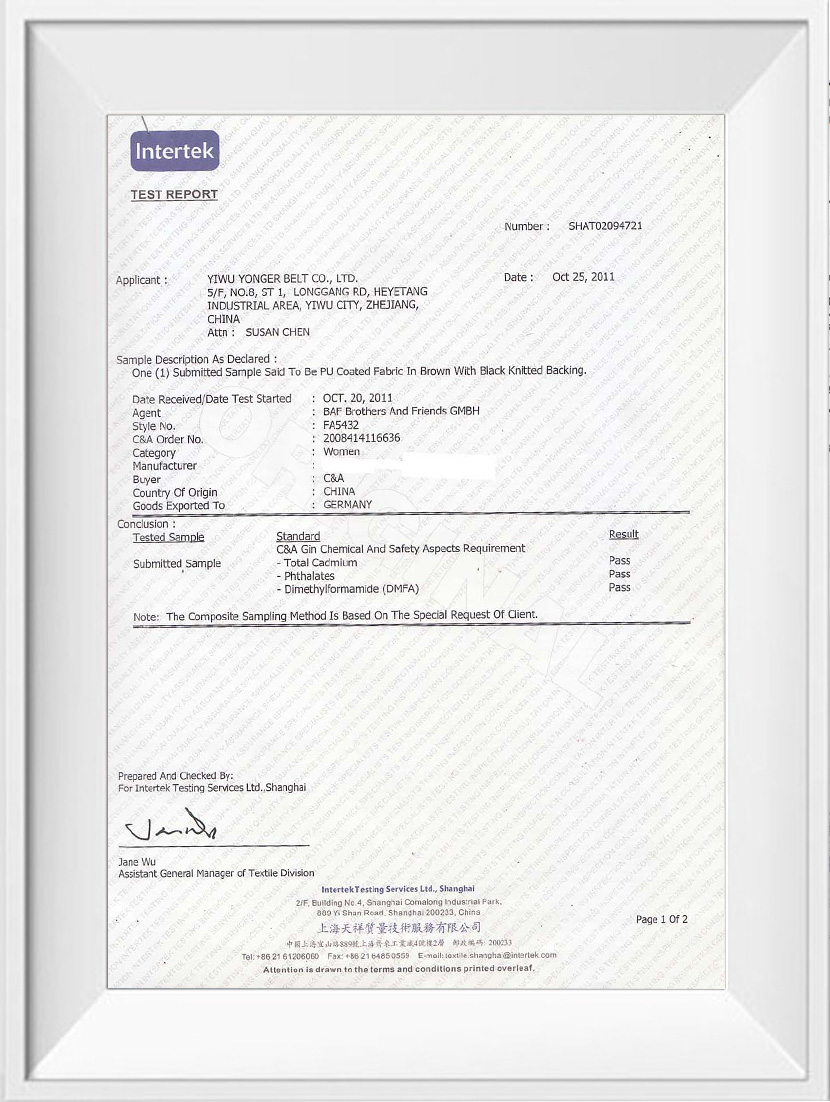
Monthly production capacity reaches 500,000 pieces, giving Yonger the ability to support stable program development alongside repeated seasonal supply. The company has a track record supplying fashion belts to recognized apparel names like C&A and NEXT, building up a working understanding of trend cycles across Western Europe and North America along the way.
New styles roll out on a quarterly basis, keeping fashion collections current while manufacturing standards stay reliable throughout.
Quality Considerations When Selecting Women's Belts
Judging a good women's belt takes more than a glance at appearance. From where a factory sits, a handful of technical factors end up mattering just as much.
Material Stability
The strap needs to hold its surface integrity through repeated bending. PU should resist peeling, leather should avoid cracking excessively, and recycled leather needs to stay stable right at the punched holes and buckle fold—spots where stress tends to concentrate.
Edge Finish
Edges should come out smooth, sealed, and consistent in color from one end to the other. Edge paint shouldn't separate easily from the strap after it's been flexed repeatedly.
Buckle Safety and Finish
Buckle plating needs to go on evenly, free of sharp edges or rough welding marks that could catch on skin or clothing. Nickel release testing carries real weight here too, given how directly the buckle contacts skin.
Stitching and Bonding
Where stitching is used, thread tension has to stay balanced and clean throughout. For laminated constructions, bonding strength needs testing to keep delamination from becoming an issue down the line.
Fit and Hole Placement
Hole spacing plays into overall comfort more than people might assume. Too few holes limit how much adjustment is possible, while holes that are punched poorly can tear after repeated use. Five or seven holes tend to cover most intended fit ranges.
Why Choose Yonger Manufacturer for Women's Belts?
At Yonger, material sourcing, belt engineering, surface finishing, and style development all run through one connected production system. That setup gives more direct control over appearance, comfort, durability, and how consistently orders get delivered.
Where the strengths line up:
- Women's belt widths spanning 2cm to 4cm
- Standard sizes at 2.5cm, 3.0cm, and 3.8cm
- Genuine leather, PU, recycled leather, and fabric splicing options
- Buckle finishes covering brushing, matte, and baking varnish
- Edge paint sealing that helps reduce cracking
- Nickel release testing on metal components
- 5-hole and 7-hole customization
- Laser logo work and embossing on belt tips
- New style development on a quarterly cycle
- Experience running fashion belt programs for Western Europe and North America
For brands and apparel companies looking for dependable belt production, Yonger brings practical manufacturing know-how, a working sense of trend timing, and capacity that scales with the order.
FAQ About Women's Belts
1. What width is best for women's belts?
The best width depends on the garment. 2.0cm to 2.5cm works well for dresses and formal trousers. 3.0cm is a versatile daily width. 3.8cm is suitable for jeans and casual pants.
2. Which material is better for ladies belts: leather or PU?
Genuine leather offers natural texture and longer wear potential, while PU provides more color and surface options at a flexible cost level. The best choice depends on the target style, price range, and expected use.
3. Can women's belts be customized with a logo?
Yes. Logos can be added by laser marking, embossing, debossing, printing, or buckle marking. The belt tip, inner strap, keeper loop, and buckle are common logo positions.
4. What buckle finishes are available for women belts?
Common buckle finishes include brushed metal, matte plating, polished plating, antique effect, and baking varnish. The finish should match the strap material and intended fashion style.
5. How can cracking on belt edges be reduced?
Edge cracking can be reduced through proper material selection, controlled cutting, suitable edge paint, and careful drying. Edge paint sealing is especially useful for layered PU, recycled leather, and leather constructions.
6. Are women's jeans belts different from dress belts?
Yes. Women's jeans belts are usually wider and stronger, often using thicker straps and more durable buckles. Dress belts are generally slimmer, lighter, and designed for a cleaner, more elegant appearance.



 English
  русский
  Español
  Deutsch