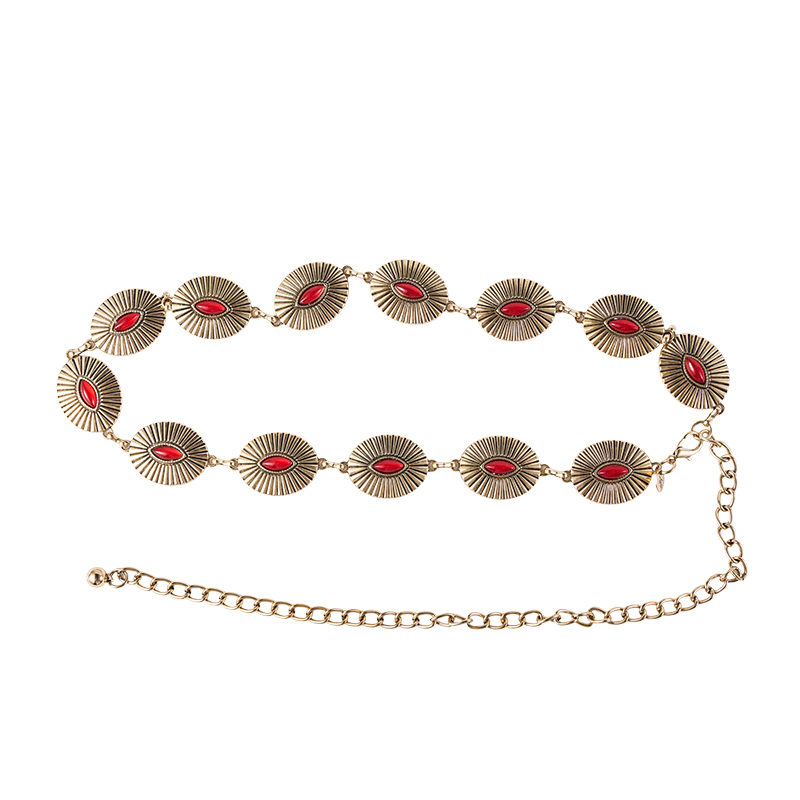
The Antique Gold Red Oval Gem Chain Belt carries a vintage feel that suits dresses, jeans, and evening pieces alike.
Key Feature: Oval red gemstones sit within an antique gold chain frame, giving the belt a look that leans toward heirloom jewelry more than a typical accessory. A secure clasp handles the fastening, and the length adjusts enough to sit comfortably at either the waist or hip.
Key Applications: This piece tends to work well with dresses, high-waisted jeans, jumpsuits, and skirts—suited for parties, festivals, weddings, or simply dressing up an everyday outfit.
This chain belt draws on vintage jewelry design, using red oval rhinestones set into antique gold-tone metal frames. The overall effect leans toward a simulated ruby look, which tends to pair well with dresses, skirts, high-waisted jeans, jumpsuits, evening wear, festival outfits, and bohemian-style collections.
The metal alloy base carries an antique gold-tone electroplated finish, keeping the belt lightweight but structurally sound. Each red oval stone sits in a prong setting for added stability, and the chain links work alongside a secure clasp to adjust the fit around the waist or hips.
Product Features
This oval gem chain belt was built with retailers in mind who need something decorative but still practical to sell across different markets.
Vintage Red Oval Gem Design
Red oval rhinestones give the belt a cabochon-inspired, simulated ruby appearance—the kind of detail that tends to stand out on a shelf or product listing.
Antique Gold-Tone Electroplated Finish
The antique gold-tone frame adds a slightly aged, heirloom quality, which works whether the styling calls for something casual or more dressed-up.
Adjustable Chain Link Closure
A secure clasp paired with adjustable chain links lets the belt fit waist or hip sizes roughly between 24 and 36 inches.
Lightweight and Comfortable Structure
The slim profile sits comfortably at the waist or hip without adding noticeable weight, even during extended wear.
Versatile Styling Application
This belt tends to work across a fairly broad range of contexts—dresses, jeans, jumpsuits, skirts, evening wear, party outfits, wedding guest looks, festival fashion, and bohemian collections.
Durable and Corrosion-Resistant Construction
The metal alloy chain, combined with the electroplated finish, holds up reasonably well over time and resists corrosion better than untreated metal would.
Quality Assurance
Production of the Antique Gold Red Oval Gem Chain Belt follows quality control steps focused on plating durability, gemstone security, clasp reliability, and skin safety.
Inspection covers the following areas:
Gemstone Setting Security
Prong-set red oval rhinestones go through pull testing, which helps catch loose settings before stones have a chance to fall out during normal wear.
Plating Uniformity
The antique gold-tone electroplating gets checked for even color, smooth coverage, and resistance to discoloration over time.
Clasp Durability
Each clasp undergoes testing to confirm it fastens reliably and holds up under repeated use.
Chain Durability
Chain links go through flex cycle checks, verifying both strength and flexibility hold up under regular movement.
Surface Smoothness
Metal components get checked by hand for sharp edges, burrs, scratches, or any rough spots that shouldn't be there.
Corrosion Resistance
Salt spray testing, run for 48–72 hours, checks plating integrity and supports the quality benchmarks typically required for export.
The following environmental and safety standards apply where required:
Nickel-Free for skin safety and hypoallergenic performance
Phthalates-Free for chemical safety
APEO-Free, compliant with ISO 18254
REACH Compliance for EU market requirements
RoHS Compliance for EU and North American markets
FAQ
Q1: What is the Antique Gold Red Oval Gem Chain Belt made of?
The belt uses a metal alloy base with an antique gold-tone electroplated finish, paired with prong-set red oval rhinestones designed to resemble simulated ruby or cabochon-style stones.
Q2: Is this gemstone chain belt adjustable?
Yes. At roughly 110 cm in length, the belt uses a secure clasp along with adjustable chain links, fitting waist or hip sizes in the 24–36 inch range.
Q3: Can the gemstone color be customized?
Yes. Options include turquoise, emerald green, sapphire blue, amethyst purple, black, clear, and multi-color combinations, depending on order requirements.
Q4: Can the gemstone shape be customized?
Yes. Oval is the standard shape, though round, square, teardrop, rectangular, and cabochon shapes can be developed with custom tooling as needed.
Q5: Is this belt suitable for sensitive skin?
Yes. The product can meet Nickel-Free and Phthalates-Free requirements, and supports APEO-Free, REACH, and RoHS compliance for international markets.
Q6: What is the MOQ for this oval gem chain belt?
Trial quantities from 10–600 pieces are available for standard designs. Custom designs typically start around 200 pieces, depending on the specifics of the customization.
Q7: How do you make sure the gemstones won't fall out?
Each red oval rhinestone is prong-set and checked through pull testing. Finished units then go through inspection covering gemstone setting security, clasp durability, plating uniformity, and chain strength.
Q8: What outfits does this chain belt pair well with?
It tends to work with dresses, high-waisted jeans, skirts, jumpsuits, evening wear, wedding guest outfits, party looks, festival outfits, and bohemian fashion collections.
Style: Vintage / Bohemian / Statement accessory
Closure Type: Secure clasp with adjustable chain links
Buckle Material: Alloy with antique gold-tone electroplated finish
Belt Material: Metal alloy chain with prong-set oval Rhinestone
Gemstone: Red oval-shaped Rhinestone (simulated ruby/cabochon style)
Width: Standard slim profile – designed to sit comfortably at waist or hip
Length: 110cm (standard); adjustable via chain links for various fits (fits waist approximately 24–36 inches)
Colour: Antique gold-tone with red rhinestones (primary); custom colour combinations available upon request
Product Characteristics: Lightweight, durable, vintage-inspired, versatile for casual and formal wear, corrosion-resistant construction
Place of Origin: Zhejiang, China
Q1: What is the MOQ for a trial order of the Antique Gold Red Oval Gem Chain Belt?
We offer flexible trial quantities starting from 10 pieces for standard designs . For fully customised orders, MOQ varies by complexity. Please contact us to discuss your specific needs.
Q2: Can I customise the gemstone colour and shape?
Yes. We offer full OEM/ODM customisation including gemstone colours (turquoise, emerald, sapphire, amethyst, etc.) and shapes (round, square, cabochon) . Custom engraving for branding is also available.
Q3: How durable are the gemstones and the antique gold plating?
Our chain belts use zinc alloy bases with multi-layer electroplating for enhanced durability. Gemstones are prong-set for security. We conduct salt spray tests (48–72 hours) to ensure plating quality and pull tests for stone setting integrity.
Q4: What safety standards does this belt meet?
The Antique Gold Red Oval Gem Chain Belt is certified to be Nickel-Free, Phthalates-Free, and complies with REACH and RoHS regulations .
Q5: How long does production take for a bulk order?
Sample production takes 7–10 days. Mass production typically requires 25–45 days after order confirmation, depending on order volume and customisation complexity.
Minimum Order Quantity (MOQ)
Standard Trial Orders: 10-600 pieces – flexible for market testing and initial sampling of the Antique Gold Red Oval Gem Chain Belt
Volume Orders: Bulk pricing tiers typically starting from 50–100+ pieces; optimal value at 500–1,000+ pieces
OEM Orders (Full Branding): Customisation MOQ varies by complexity; typically 200 pieces for custom designs; no minimum for stock logo branding
Production Lead Time
Sample Production: Typically 7–10 days for the Antique Gold Red Oval Gem Chain Belt
Mass Production: Approximately 25–45 days, depending on order volume and customisation complexity
Logistics & Packaging
Standard Packaging: Each piece packed in an OPP bag, then securely cartoned for bulk orders. Single package dimensions: 20 x 10 x 5 cm; unit gross weight: approximately 0.100 kg.
Custom Packaging: Private label, premium boxes, and branded packaging solutions available upon request.
Shipping: FOB, CIF, and other shipping terms negotiable. Shipping methods include by sea (25–40 days), by air, DHL, FEDEX, UPS, and TNT (3–7 days).
Payment Terms
T/T (30% deposit, 70% balance before shipment)
Export Documentation
We provide full export compliance support, including necessary certifications like CE, RoHS, UKCA, and ETL where applicable.
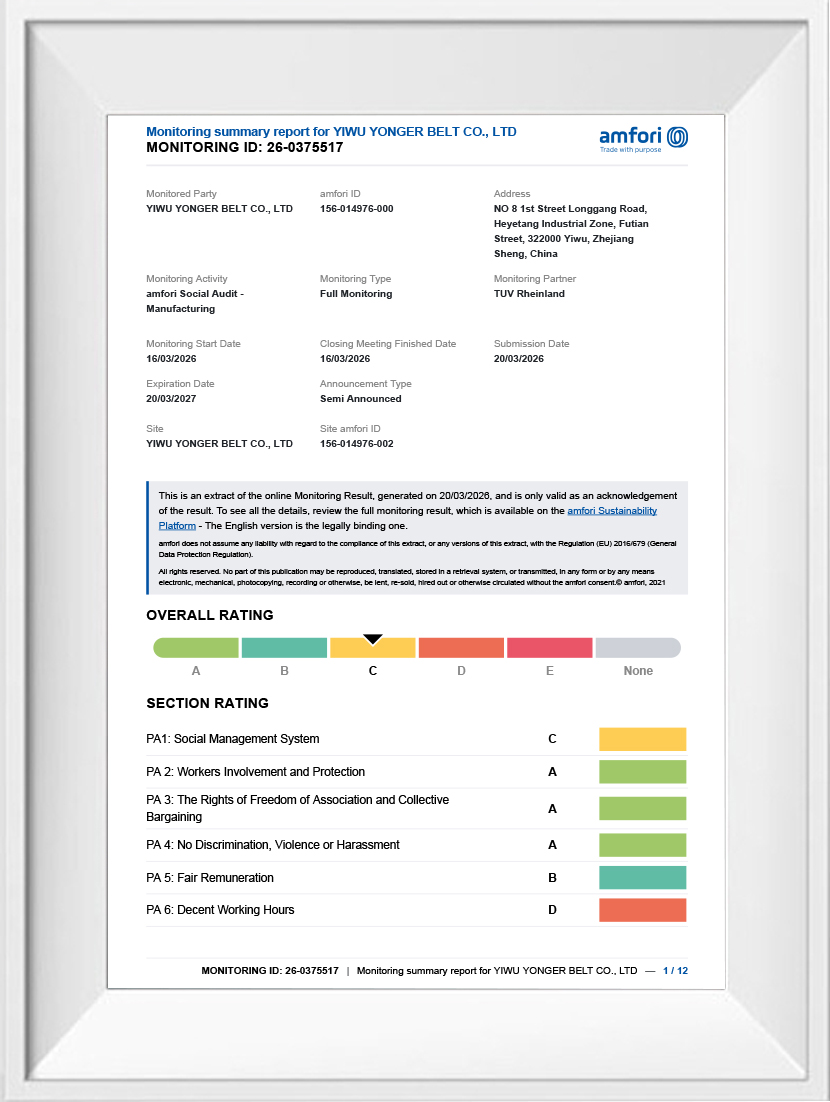
Yiwu Yonger Belt Co., Ltd. has specialized in manufacturing various fashion leather belts for over 18 years, with a monthly production capacity of up to 500,000 pieces.
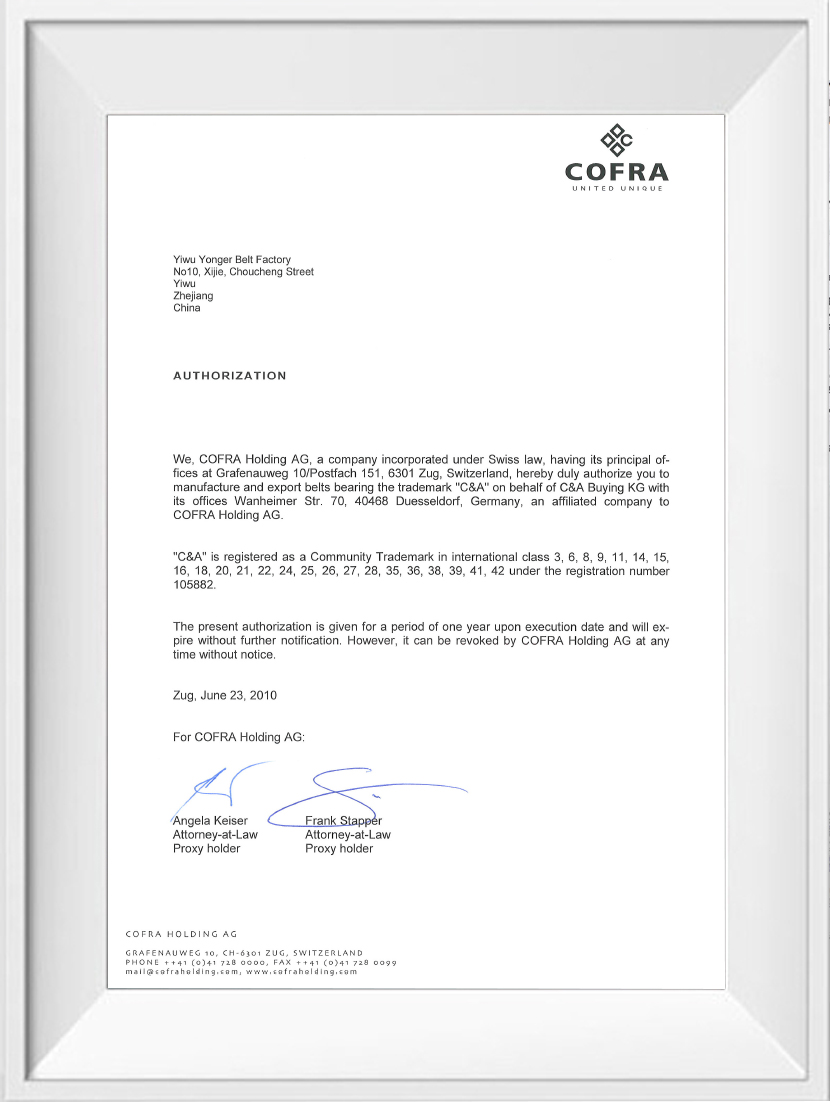
Our main markets include Western Europe and North America. We have worked with well-known international brands such as C&A, ORSAY, NEXT, and FOREVER 21.
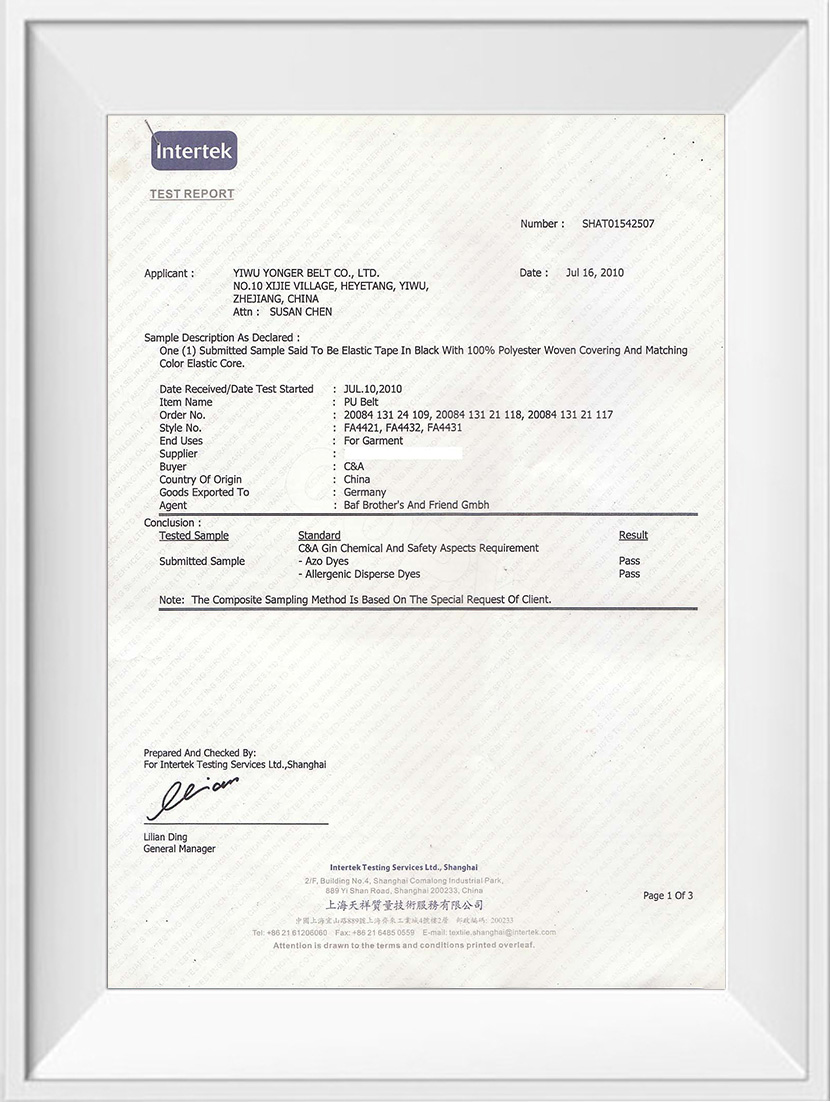
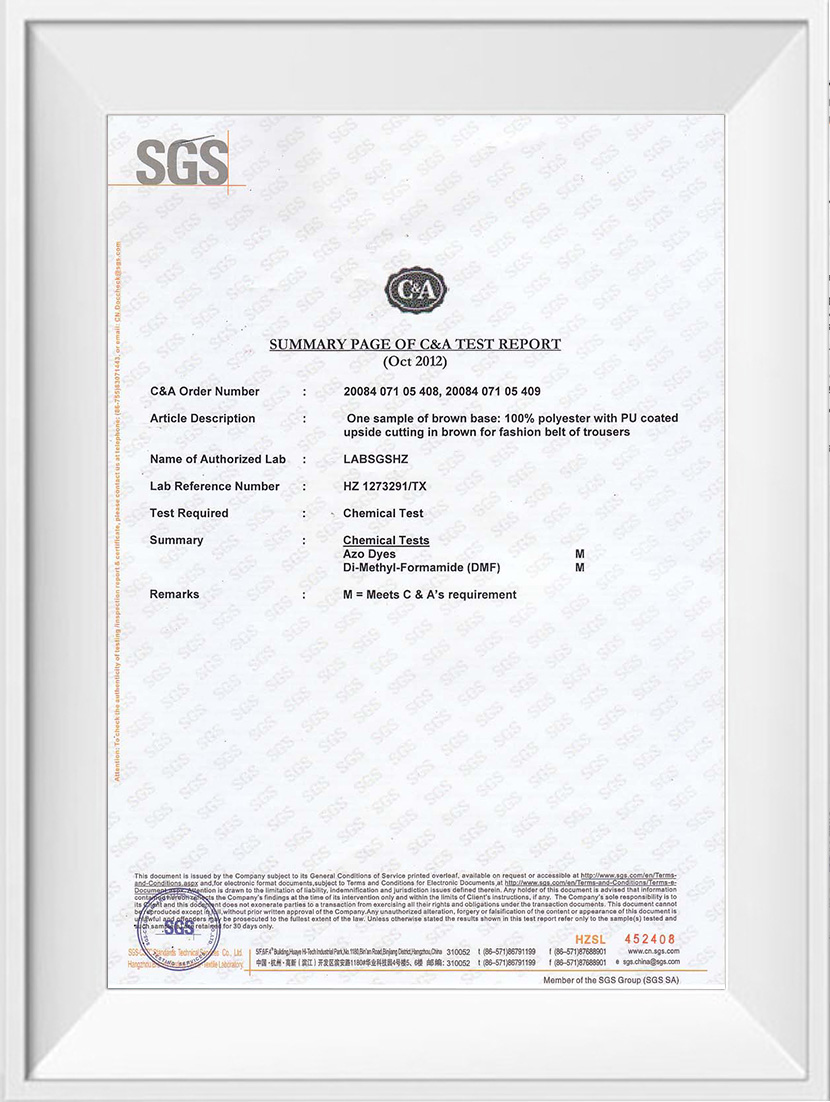
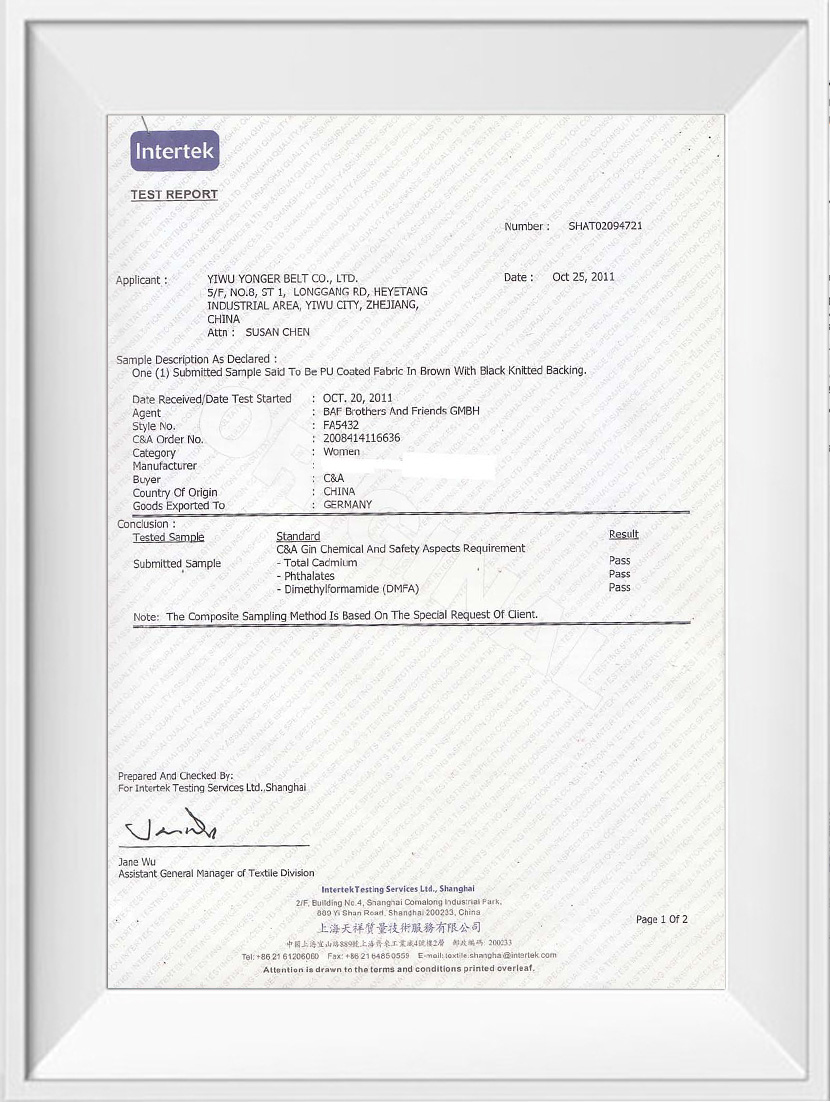
Our Antique Gold Red Oval Gem Chain Belt comply with the latest European standards, including requirements related to AZO, nickel, DMFa, cadmium, phthalates, disperse dyes, and other restricted substances. Quality is our top priority. We carry out strict supervision and inspection throughout the entire production process, as well as piece-by-piece inspection before packaging, to ensure consistent product quality.
As a Oval Gem Chain Belt Manufacturer with our own factory, we offer competitive pricing and professional service, helping customers expand their markets together with us. With a wide range of designs and styles, we continuously develop new products to keep pace with market trends and seasonal demand. We are committed to working closely with our customers to achieve greater market success.
Why a Silver Studded Belt Works with Casual Clothing
Adding Detail to Simple Everyday Pieces
Basic T-shirts, plain tops and standard jeans often need one clear accent to avoid looking unfinished. Silver studs along a belt catch light and create a line of small highlights at the waist without requiring patterned fabric or extra layers. The rest of the outfit can stay simple while the belt supplies the visual interest.
Creating Balance with Denim
Denim is matte and textured; metal studs are reflective and precise. That contrast is easy to read from a short distance and works across light, medium and dark washes. Belt colour and stud finish can sit quietly on soft blue denim or stand out more sharply on black or grey jeans, depending on how strong a statement is wanted.
How to Style a Silver Studded Belt with Different Jeans
Classic Blue Jeans
Straight or slim blue jeans pair naturally with a silver studded belt and a white T-shirt, a neutral casual shirt or a simple knit top. The metallic line at the waist breaks up the continuous denim and T-shirt block and gives a familiar outfit a defined focal point. Tucking the top makes the belt fully visible; a light untuck still shows the studs at the front.
Black Jeans
Black denim creates a darker base so silver hardware reads as brighter contrast. Graphic tees, plain black tops and leather-style or dark casual jackets sit well in the same palette. The belt links the upper and lower halves and stops the look from becoming a single flat block of dark fabric.
Light-Wash Jeans
Light blue denim and washed neutrals already feel open and relaxed. A studded belt adds a thin band of structure so the outfit does not appear formless. Soft grey, cream or pale tops keep the mood easy while the metal details mark the waistline.
Ripped and Distressed Jeans
Torn knees, frayed hems and worn patches lean toward street and rock-inspired dressing. A studded belt supports that direction when matched with graphic shirts or plain dark tees. The hardware echoes the tougher mood of the denim without needing additional heavy accessories.
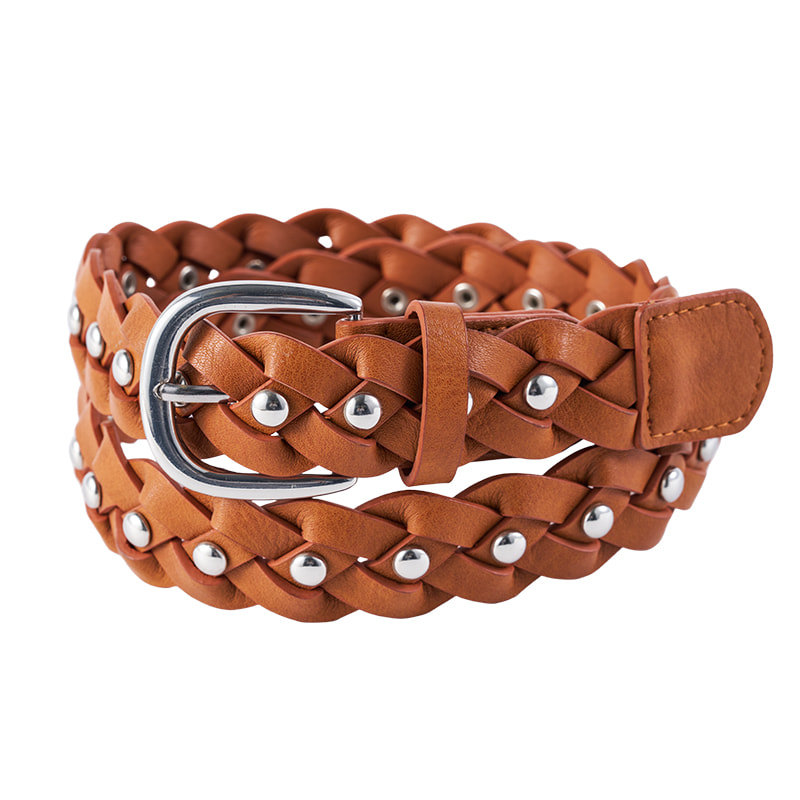
Matching a Silver and Gold Studded Leather Waist Belt
Basic T-Shirts and Denim
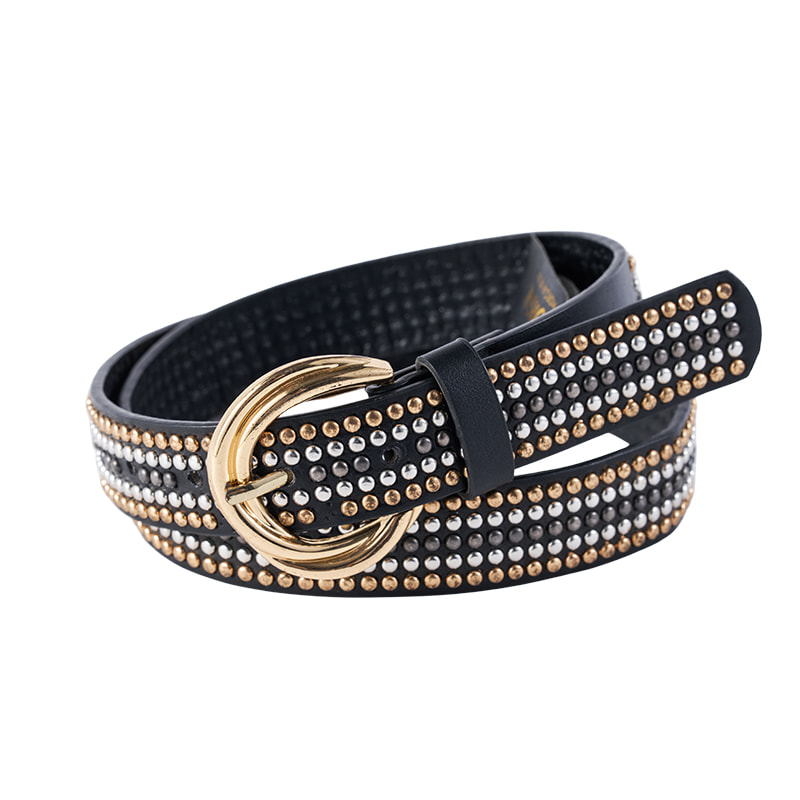
A leather waist belt finished with both silver and gold studs works as a small statement on a T-shirt and jeans combination. Two-tone metal adds depth that single-colour studs do not, so even a plain white or black tee gains a clearer accent at the waist. A Studded Belt Silver focus in the hardware still leaves room for the gold elements to warm the overall effect.
Casual Shirts
Tucked shirts—solid, plaid or denim—show the full belt path through the loops. The studded strap defines the waist and finishes the hem line so the shirt does not hang without structure. Leaving one or two buttons relaxed at the collar keeps the look casual rather than formal.
Hoodies and Casual Jackets
Hoodies, denim jackets and light outer layers often hide the belt if they fall long. Wearing the jacket open or choosing a shorter hem lets the studded section remain visible at the front. The belt then acts as a detail strip between relaxed upper and lower pieces instead of disappearing under fabric.
Building Different Casual Looks with the Same Belt
Everyday Casual
Blue jeans and a plain white or black T-shirt form the base. The belt's stud pattern becomes the main accent for commuting, weekends and informal meetings where clothing stays simple but not bare.
Streetwear-Inspired
Distressed jeans, a slightly oversized tee and casual sneakers shift the mood. The studded leather strap supports a more expressive silhouette while the rest of the clothing remains easy to move in.
Rock-Inspired Casual
Black jeans, a graphic top and a dark jacket create a heavier colour story. Leather texture and mixed metal studs reinforce that direction without requiring stage-level costume pieces.
Smart Casual Denim
Dark jeans, a tucked shirt and tidy casual shoes move the outfit slightly upward. The belt adds personality at the waist while the cleaner lines of the shirt and denim keep the overall look coordinated rather than noisy.
What Makes a Silver and Gold Studded Leather Belt a Useful Accessory
Silver and Gold Stud Details
Two-tone studs sit against both cool and warm clothing colours. Silver edges brighten blue and black denim; gold notes soften the metallic band so it does not feel purely cold. The mix suits rotation between different casual wardrobes without changing belts each time.
Leather Belt Appearance
Leather brings a natural grain and firm structure that contrasts with jersey T-shirts and soft shirts. The strap holds studs securely and keeps a straight line through denim belt loops, which helps the hardware read as intentional rather than scattered.
Versatility Across Outfit Types
The same belt can move from blue jeans and tees to black denim and jackets, or to ripped styles and hoodies, as long as width and colour still suit the loops and the rest of the clothing. Its role is decorative structure at the waist, not a full change of style category. Custom Studded Belts programmes for brands and retailers often start from this kind of versatile casual base when assortments need one studded option that covers several looks.
Styling Tips for Wearing a Silver Studded Belt
Choosing Belt Width for the Jeans
Width should pass freely through the belt loops without forcing or folding. A strap that fills the loops looks deliberate; one that is far too narrow can rattle and look undersized, while an oversized strap may not thread at all. Matching width to the jeans' loop size keeps the waistline tidy.
Coordinating Metal with Other Accessories
Watches, bag hardware and small jewellery in silver or mixed metal tones can echo the stud finish. Full matching sets are unnecessary; repeating one metal family somewhere else on the outfit is enough to avoid a random mix of unrelated finishes.
Keeping the Rest of the Outfit Balanced
When the belt is heavily studded, quieter tops and fewer competing patterns prevent visual clutter. Busy shirts or multiple shiny accessories can fight the waistline detail. One strong studded belt plus simple clothing usually reads more clearly than several loud elements at once. A Studded Waist Belt with mixed silver and gold hardware is easiest to wear when the garments around it stay relatively calm.
Outfit Pairing Overview for Studded Belts
Outfit base
Role of the studded belt
Styling note
Blue jeans and plain tee
Main accent at the waist
Tuck or half-tuck to show studs
Black jeans and dark top
Bright contrast on dark fabric
Works with graphic prints and jackets
Light-wash denim
Adds definition to a soft palette
Neutral tops keep the look relaxed
Ripped or distressed jeans
Supports street or rock-leaning mood
Pair with simple or graphic casual shirts
Tucked casual shirt
Defines waist and finishes the hem
Solid or light pattern shirts stay balanced
Hoodie or open jacket
Detail strip when outer layer is open
Avoid long hems that hide the belt entirely
Bringing Studded Belts into Everyday Casual Dressing
A silver studded belt—especially one that also carries gold-toned hardware on leather—gives jeans and simple tops a clear waistline accent without rewriting the whole outfit. Classic blue, black, light-wash and distressed denim each take the metal details differently, from quiet contrast to stronger street or rock-inspired emphasis. Width that fits the loops, moderate coordination with other metals and restraint in competing patterns keep the result intentional. Yiwu Yonger Belt Co., Ltd. produces belts including studded leather styles for casual and fashion accessory programmes. Review of stud finish, leather appearance, width and overall design against target jeans and tops supports selection of a studded belt that fits everyday, street-inspired and darker casual looks.
Plain tops, unadorned dresses and neutral-coloured jeans form the backbone of many everyday wardrobes. When every surface is smooth and every colour is quiet, an outfit can look unfinished rather than intentionally simple. A belt whose surface is built from open woven strands introduces pattern and depth without adding another printed garment. A Womens Boho Belt in a hollow-weave construction supplies that texture while still allowing the clothing itself to remain understated.
How Open Weave Creates Surface Interest on Plain Clothing
Pattern From Structure Rather Than From Print
The repeated openings and crossings of a hollow weave catch light differently from a flat fabric. Against a solid shirt or dress the belt reads as a deliberate band of pattern, yet it does not compete with figurative prints or bold graphics. A Boho Belt for Women made in this way can sit on a single-colour garment and still give the eye something to rest on.
Contrast Between Woven Texture and Smooth Cloth
Cotton jersey, washed denim and lightweight plain-weave fabrics present relatively even surfaces. A belt whose strands stand slightly proud of one another breaks that evenness. The contrast is visual rather than loud: the clothing stays calm while the waistline becomes the place where texture is concentrated. Colours that let the weave remain readable—neither so dark that the pattern disappears nor so busy that it fights the belt—keep the effect clear.
Texture as a Counterpoint to Neutral Palettes
Outfits built from beige, white, black, brown or grey rely on cut and fabric quality for interest. A woven belt adds another layer of detail without forcing a change in the colour story. The same belt can be repeated across several neutral combinations, linking them through a shared accessory rather than through identical garments. A Boho Womens Belt in a natural or muted tone supports that continuity while preserving a relaxed overall appearance.
Effect of a Hollow Woven Belt on Familiar Silhouettes
Definition of the Waist on Simple Dresses
A straight or gently shaped dress can appear shapeless when worn without a break at the waist. Sliding a woven belt over the fabric creates a visual division and draws attention to the narrowest part of the torso. Shirt dresses, plain day dresses and unadorned midi lengths all accept this treatment when the fabric is not too bulky and when the belt width suits the scale of the garment. The open weave keeps the accent light rather than heavy.
Texture on a Jeans-and-Top Combination
A basic T-shirt and a pair of jeans already form a complete outfit; a woven belt is not required for coverage, only for finish. The belt introduces a decorative strip that relates the upper and lower halves and can echo other casual materials such as a woven bag or simple sandals. Straight-leg jeans, denim shorts and plain tops all provide a quiet background against which the hollow pattern remains visible.
Separation of Blouse and Skirt
When a blouse is tucked into a skirt, a belt can sit at the junction and prevent the look from reading as two disconnected pieces. Denim skirts, plain woven skirts and simple tucked shirts benefit from the extra horizontal line. Placement—whether at the natural waist or slightly above or below—alters the perceived proportions of the outfit, so the belt is positioned with the garment's waistband and the wearer's preference in mind.
Shape Within Loose Garments
Oversized shirts, relaxed dresses and wide-leg trousers can swallow the waistline. A belt cinched over the fabric restores a point of definition without requiring a change of garment. Width of the belt, thickness of the clothing and comfort when sitting or moving all influence whether the combination remains practical for a full day. The hollow structure tends to feel less rigid than a solid leather belt of similar width, which can help when the belt is worn over softer fabrics.
Colour Choices That Keep the Weave Readable
Light Grounds That Show the Pattern Clearly
White and cream clothing provide a high-contrast field for a natural or coloured woven belt. Summer dresses, white shirts and cream skirts let the openings and crossings of the weave stand out without relying on strong colour opposition. The belt becomes noticeable through structure rather than through brightness.
Denim and Earth Tones as Compatible Partners
Blue denim, brown, beige and olive already sit comfortably with straw-like and natural-toned accessories. A woven belt in a related palette continues that relationship and supports a coherent, informal look. Repeating the belt's colour family in one other item—shoes or a bag—ties the outfit together without requiring every accessory to match exactly.
Coordination With Existing Bohemian or Floral Elements
When a garment already carries embroidery, floral print or other decorative detail, a hollow-weave belt can still be added if its own colour remains relatively quiet. The belt then supplies texture rather than another layer of motif. Outfits that already contain several strong patterns benefit from restraint in the accessory so that the overall appearance does not become crowded.
Practical Points When Selecting a Straw-Style Woven Belt
Width in Relation to Garment Proportions
A narrow belt sits easily in most belt loops and produces a finer line; a wider belt makes a stronger horizontal statement and needs enough plain fabric around it to avoid looking cramped. Dresses without loops, trousers with widely spaced loops and skirts with delicate waistbands each favour different widths. Checking the actual width of the belt against the intended garments prevents a mismatch after purchase.
Openness of the Weave and the Role of the Belt
A more open hollow pattern reads as lighter and more decorative; a tighter weave appears denser and closer to a conventional belt. When the belt is meant to be the main textured accent, simpler clothing surfaces allow that accent to remain visible. A Straw Belt Women design that relies on openwork is therefore often paired with solid colours or quiet prints rather than with heavily patterned cloth.
Material Feel, Flexibility and Everyday Suitability
How the belt sits against clothing and against the body, how easily it fastens, and how it behaves when the wearer sits or bends all affect whether it remains in regular rotation. Construction details and care instructions are read before the belt is put into daily use. Claims about durability or resistance to moisture are accepted only when they appear in the product documentation.
Occasions That Suit a Bohemian Hollow-Weave Belt
Everyday Casual Combinations
Jeans, plain tops, simple skirts and uncomplicated dresses form the usual setting for a woven belt. The accessory supplies a finished look without requiring a change in the rest of the wardrobe. Repeating the same belt across several casual outfits builds a consistent personal style with minimal effort.
Warm-Weather and Holiday Clothing
Lightweight dresses, shorts, airy skirts and relaxed shirts align naturally with an open-weave, straw-like belt. The visual reference to woven natural materials complements the season without demanding exact colour matching. The belt can move from daytime sightseeing to informal evening meals when the rest of the clothing remains simple.
Looks Built Around Bohemian Detail
Flowing dresses, embroidered tops and denim pieces already lean toward a relaxed, decorative aesthetic. A hollow-weave belt adds one more textured element. Balancing the number of such elements—perhaps limiting strong patterns to one garment and letting the belt provide structure—keeps the outfit coherent rather than overloaded.
Reasons to Consider a Hollow-Weave Bohemian Belt
Surface Pattern That Works With Plain Clothing
The hollow weave supplies a distinct texture that plain dresses, denim and neutral separates lack on their own. One belt can therefore serve many outfits that share a preference for simplicity.
Flexibility Across Categories of Clothing
Depending on length, width, colour and fastening, the same style of belt can appear with dresses, jeans, skirts and loose separates. Existing wardrobe contents guide the choice of which dimensions and colours will see the most use.
Details to Confirm Before Ordering
Length, width, colour options, fastening type, material composition and care advice are checked against personal measurements and preferred garments. Confirming these points before purchase reduces the chance of receiving a belt that does not fit the intended clothing or the intended frequency of wear.
Overview of Outfit Pairings for Hollow Woven Belts
Clothing Base
Role of the Woven Belt
Styling Note
Plain dress
Defines waist; adds texture against smooth fabric
Prefer solid colours so the weave stays visible
Jeans and simple top
Links upper and lower halves; decorative accent
Works with straight or relaxed denim
Tucked blouse and skirt
Marks the junction; organises the silhouette
Match width to waistband and belt loops
Loose shirt or wide trousers
Introduces shape without changing the garment
Check comfort when sitting; avoid excessive bulk
White or cream separates
High contrast for open-weave pattern
Suitable for warm-weather and daytime looks
Denim and earth tones
Continues informal, natural colour story
Coordinate lightly with shoes or bag
Floral or embroidered pieces
Adds texture without extra motif
Keep belt colour quiet if garment is already busy
Using Hollow Weave to Finish Minimal Outfits
Simple clothing gains definition and surface interest when a hollow woven belt is added at the waist. The open structure supplies pattern without print, contrasts with smooth fabrics and sits comfortably within neutral or lightly decorated wardrobes. Yiwu Yonger Belt Co., Ltd. produces woven and bohemian-style belts for women's apparel. Review of available lengths, widths, colours and fastening designs against the intended dresses, denim and separates supports selection of a belt that adds texture while remaining practical for regular wear.
Crocodile-embossed belts gain their distinctive surface from a pressed scale pattern that sits above the base material. The raised texture catches light differently from a smooth strap and gives the finished accessory a more layered appearance. A black version of this design pairs the embossed surface with a versatile dark tone suitable for formal and everyday clothing. Production moves from material selection through embossing, coloring, cutting, edge work, buckle attachment and final inspection. A Crocodile Pattern Belt therefore reflects the combined effect of material choice, pattern clarity and finishing quality rather than any single step.
Selection and Preparation of the Base Material
Choosing Leather Suited to Embossing
The base material determines how cleanly the pattern will form and how the finished strap will flex. Genuine leather and other leather-based materials respond differently to pressure and heat; consistent thickness and density across the sheet help the embossed scales remain uniform from one end of the belt to the other. Material that varies in density can produce shallow or broken texture in some areas while remaining clear in others.
Preparing a Clean and Even Surface
Before embossing, the sheet is inspected for scars, holes or thickness changes that would interrupt the pattern. Dust and surface irregularities are removed so that the embossing plate contacts the material evenly. A flat, defect-free surface allows the scale shapes to form with consistent depth and spacing.
Formation of the Crocodile-Inspired Texture
Pressure Application That Creates the Raised Scales
A patterned plate or roller presses the design into the prepared surface. In many processes heat is applied together with pressure so that the material retains the impression once the tool is withdrawn. The size of the individual scales, the distance between them and the depth of the relief together decide how pronounced the texture appears. Results vary with the hardness of the material and the exact settings used.
Maintaining Alignment and Uniform Depth
Pattern continuity across the full length of the future strap depends on steady feed and consistent pressure. Misalignment or fluctuating force can leave bands of weaker texture or overlapping scales. Controlled production settings and careful material preparation keep the design clear and continuous from tip to buckle end.
Color Application and Protective Finishing
Achieving an Even Black Surface
Color is introduced by dyeing, coating or a combination of both, according to the material and the process in use. Uniform coverage ensures that the raised scales and the recessed areas share the same tone. The dark finish makes the relief more visible by contrasting light and shadow across the textured surface.
Treatments That Help Preserve Appearance
Surface finishes may be applied to reduce the effects of ordinary abrasion and light moisture. Any coating must remain thin enough that the embossed detail stays sharp. Specific resistance properties are confirmed from the product data rather than assumed from the presence of a finish alone.
Cutting the Strap to Finished Dimensions
Forming the Belt Length and Width
The embossed and colored material is cut into straps of the required length and width. Straight, parallel edges keep the finished belt looking balanced and allow it to pass cleanly through a buckle. Accurate cutting also reduces waste and ensures that successive belts remain consistent in size.
Shaping the Tip and Placing Adjustment Holes
The free end is cut to the chosen tip shape—rounded, pointed or square according to the design. Adjustment holes are punched at regular intervals so that the belt can fit a range of waist sizes. Clean hole edges and even spacing prevent tearing and keep the visual rhythm of the strap intact.
Edge Finishing and Optional Stitching
Treatment of the Cut Edges
Edges may be trimmed, sanded, painted or sealed so that the cut face matches the color and sheen of the main surface. Consistent edge work along the full length removes the unfinished look of a raw cut and improves resistance to fraying.
Stitching Where the Design Requires It
Some constructions include a line of stitching near the edge or at the buckle end. Straight, evenly spaced stitches contribute to a tidy appearance; irregular stitching draws attention away from the embossed pattern. Methods vary with the belt style and are not present on every design.
Attachment of the Buckle
Matching Buckle Style to the Strap
Buckle size, shape, color and surface finish are chosen to complement the black embossed strap. The attachment method—clamp, screw, stitch or other—must suit the thickness and construction of the leather. A well-matched buckle completes the overall design without overpowering the textured surface.
Securing and Testing the Connection
The buckle is fixed so that it sits square to the strap and operates freely. Secure attachment prevents the hardware from loosening under normal tension. Materials and finishes of the buckle are verified against the specifications of the finished product.
Final Inspection Before Packaging
Review of Pattern, Color and Dimensions
The embossed scales are examined for clarity, even depth and freedom from crushed or missing areas. The black surface is checked for blotches, streaks or scuffs. Length, width, hole placement and edge finish are compared with the design standard.
Verification of Construction and Hardware
Stitching, where present, is inspected for continuity. The buckle is confirmed to be firmly attached and correctly aligned. Loose threads, damaged edges or other visible faults are identified and corrected or rejected before packaging.
Visual Character of a Black Embossed Design
The raised crocodile-inspired texture adds depth that a plain smooth belt lacks. Black remains compatible with formal, business and many casual outfits, so the same accessory can serve different clothing styles. Final appearance is the result of material quality, pattern consistency, surface finish and buckle selection working together. A Crocodile Pattern Belt finished in black therefore offers a textured alternative for those seeking a more distinctive strap.
Points to Examine When Selecting an Embossed Belt
Actual material composition is confirmed rather than judged by surface alone. Pattern clarity and finish uniformity are inspected across the full length. Dimensions, hole spacing and buckle construction are checked against the intended use. Preferred clothing style and buckle design guide the final choice. Care instructions and full product specifications are reviewed before purchase.
Overview of Production Stages and Quality Focus
Production Stage
Main Activity
Quality Focus
Material selection
Choosing leather suited to embossing
Thickness consistency and surface condition
Surface preparation
Cleaning and inspecting the sheet
Absence of defects that interrupt the pattern
Embossing
Pressing the scale design into the surface
Uniform depth, alignment and clarity
Color and finishing
Applying black tone and protective layers
Even coverage without masking the texture
Cutting and hole placement
Forming strap length, tip and adjustment holes
Straight edges and regular spacing
Edge work and stitching
Smoothing edges and adding stitches where required
Continuous finish and tidy stitch lines
Buckle installation
Attaching and aligning the hardware
Secure connection and free operation
Final inspection
Checking pattern, color, dimensions and construction
Freedom from visible defects before packing
From Prepared Leather to Finished Embossed Accessory
Material preparation, embossing, coloring, cutting, edge finishing, buckle attachment and inspection together shape the final belt. Appearance depends on the consistency of the pattern, the quality of the finish and the accuracy of assembly. Yiwu Yonger Belt Co., Ltd. produces crocodile-embossed leather belts in black and related finishes. Review of available material types, pattern clarity, surface treatments, dimensions and buckle options against the intended use and preferred style allows selection of a belt that combines textured surface with practical everyday wear.
An embossed crocodile pattern creates a distinctive raised surface that catches light and gives the belt visual depth. The depth of the embossing, the type of surface coating and the base material all influence how the belt looks over time and how it should be cleaned and stored. A black finish pairs readily with formal and everyday clothing, provided the surface remains free of scratches, cracks and discoloration. Different base materials respond differently to moisture, oils and cleaning agents, so the care method must match the actual construction. A Crocodile Pattern Belt with a clear embossed texture therefore requires attention to both the raised pattern and the protective finish that covers it.
Recognizing How the Embossed Surface Is Formed and Protected
The crocodile pattern is pressed into the surface under controlled pressure and heat so that the scales remain distinct. Deeper embossing produces stronger shadow lines; shallower embossing yields a subtler effect. A surface coating or finish is then applied to seal the material, reduce water absorption and help the color remain even. The combination of embossing depth and finish determines both the initial appearance and the later maintenance needs. Black embossed leather or leather-like material gains its formal character from the uniform color and the way light plays across the raised scales; that same surface will show dust, oil marks and abrasion more readily if left uncleaned.
Cleaning the Embossed Surface Without Flattening or Scratching It
Loose dust is removed with a soft, dry cloth wiped lightly across the surface. The cloth follows the direction of the scales so that particles are lifted rather than pushed deeper into the recesses. For light soiling a cleaner confirmed to be compatible with the base material is applied sparingly, again with a soft cloth, and the excess is removed at once. The recessed areas of the pattern receive particular attention because dirt tends to collect there and become harder to remove if left for long periods. Strong solvents, stiff brushes and any product not verified for the material are avoided; they can dissolve the finish or abrade the raised edges of the embossing. After cleaning the belt is left to air-dry away from direct heat and sunlight so that the finish is not stressed while still soft.
Protecting the Black Finish Against Common Sources of Damage
The surface coating slows the entry of moisture and helps the black color stay uniform. Prolonged contact with water, sweat, oils or household chemicals can still soften or stain the finish, so the belt is kept dry whenever possible and wiped promptly if it becomes damp. Any conditioning or protective product is tested on a small, inconspicuous area first to confirm that it does not alter the color or leave a sticky residue. Black surfaces can pick up dye from other dark materials under continuous friction; separating the belt from such items during storage reduces the risk of color transfer.
Reducing the Formation of Cracks, Creases and Localized Wear
Repeated sharp bending, especially near the buckle holes and the buckle attachment, concentrates stress and can open small cracks in the finish. Selecting a length that fits the waist without constant over-tightening keeps tension evenly distributed. After use the belt is relaxed rather than left under continuous stretch. Heavy objects placed on top of the belt or prolonged compression in a crowded drawer can flatten the embossing and crease the material. Periodic inspection of the edges, stitching, buckle connection and the embossed surface itself reveals early signs of wear so that further damage can be limited.
Storing the Belt So That Shape and Texture Remain Intact
A dry, ventilated place away from direct sunlight prevents the finish from drying out or fading. The belt may be laid flat or hung loosely so that tight folds do not form. High heat, persistent humidity or rapid temperature swings are avoided because they can cause the material to expand and contract unevenly. Sharp metal objects or rough surfaces that could scratch the embossing are kept separate. Belts that will not be worn for an extended period are checked occasionally to ensure the storage conditions remain suitable.
How Material Choice and Embossing Quality Influence Care Requirements
Base Material and Its Response to Cleaning and Flexing
Genuine leather, coated leather and synthetic materials differ in flexibility, abrasion resistance and the cleaners they tolerate. A material that remains soft under repeated flexing is less likely to crack, yet it may still need protection against oils and moisture. The care routine is therefore matched to the specific substrate rather than applied uniformly.
Clarity and Consistency of the Embossed Pattern
Uniform embossing with well-defined scales holds its visual interest longer and is easier to clean because dirt sits in predictable recesses. Uneven or shallow embossing can wear unevenly and may show surface abrasion more quickly.
Surface Finish and Its Effect on Appearance and Maintenance
A well-applied finish resists light moisture and helps the black color remain even. The same finish dictates which cleaners and conditioners can be used safely; incompatible products may dull or streak it.
Edge Treatment and Its Contribution to Overall Durability
Neatly finished edges resist fraying and moisture ingress. Edges that are left rough or poorly sealed can open and collect dirt, shortening the useful life of the belt.
Stitching and Buckle Attachment as Structural Anchors
Secure stitching and a firmly attached buckle keep the belt functional even as the surface ages. Loose threads or a shifting buckle concentrate stress on adjacent material and accelerate local wear.
Common Care Errors That Shorten Surface Life
Cleaners formulated for unrelated materials can strip the finish or leave permanent marks. Aggressive scrubbing flattens the embossing and abrades the raised scales. Leaving the belt in direct sun or near heat sources dries the finish and encourages cracking. Storing a damp belt traps moisture and can promote staining or mold. Applying untested oils or waxes may darken or soften the surface in unintended ways. Neglecting regular inspection of edges, stitching and the buckle area allows small problems to become structural failures.
Selecting a Black Embossed Belt for Both Appearance and Daily Wear
A black crocodile-pattern surface pairs with formal and casual clothing and remains versatile across seasons. Material type, embossing depth, belt width, length and buckle design are all confirmed against the intended use. Surface finish and structural details influence both the initial look and the amount of care required later. Available color, size and buckle options, together with any branding or packaging requirements, are reviewed when the belt is intended for retail or bulk supply. Clear material and process specifications allow the finished product to meet both visual and durability expectations.
Overview of Care Practices and Their Effect on Surface Longevity
Care Aspect
Recommended Practice
Risk if Neglected
Daily dust removal
Soft dry cloth following the embossed pattern
Dirt embeds in recesses and becomes harder to remove
Spot cleaning
Compatible cleaner applied sparingly and wiped off
Stains set or finish is damaged by wrong products
Moisture and chemical contact
Keep dry; wipe promptly; avoid untested substances
Softening, staining or loss of color uniformity
Flexing and tension
Correct length; avoid sharp bends and constant over-tightening
Cracks near holes and buckle attachment
Storage
Dry, ventilated, away from sun and sharp objects
Fading, permanent creases or surface abrasion
Periodic inspection
Check edges, stitching, buckle and embossed surface
Small defects grow into irreversible damage
Preserving the Embossed Surface Through Consistent and Suitable Care
Regular light cleaning, protection from moisture and chemicals, avoidance of excessive stress, proper storage and attention to material-specific requirements keep the embossed texture and black finish intact. Material choice, embossing quality and surface treatment determine both the initial appearance and the care methods that can be used safely. Yiwu Yonger Belt Co., Ltd. produces embossed crocodile-pattern belts for everyday and formal use. Review of available materials, embossing styles, finish options and size ranges against the intended wear conditions and care preferences allows selection of a belt whose surface can be maintained in good condition over repeated use.
Recognizing the Distinctive Look of Embossed Crocodile Texture Belts
Belts carrying an embossed surface that mimics the natural scale pattern of crocodile hide create a textured surface that catches light in irregular ways. The raised scales give depth that plain smooth leather lacks, allowing the accessory to shift between formal trousers and more relaxed outfits without looking out of place. Classic dark tones, warmer brown shades, and varied buckle finishes appear across many collections. A Crocodile Pattern Belt works alongside tailored jackets, open-collar shirts, or casual denim depending on the surrounding colors and the shape of the buckle.
Assessing the Base Material Used in Construction
Genuine leather, synthetic alternatives, and blended surfaces each behave differently under daily wear. Natural leather tends to flex and develop a soft surface over time while holding the embossed pattern with greater depth. Synthetic versions often resist moisture more readily and keep a uniform appearance longer, though the texture may feel less substantial. Product descriptions must be read carefully because the same visual pattern can sit on very different base materials. Matching the material to the expected frequency of use and the climate of the market prevents early surface cracking or flattening of the scales.
Inspecting Pattern Clarity and Embossing Depth
Uniform scale size and even spacing across the full length of the belt determine whether the texture looks deliberate or accidental. Clear definition of each raised scale, without blurred edges or flattened zones, keeps the surface interesting under both natural and indoor light. Surface finishing after embossing should leave the pattern sharp rather than rounded or shiny in uneven patches. Available pattern variations and surface treatments cover a range of visual densities so that the finished belt can suit different style directions.
Reviewing Stitching Lines and Edge Treatment
Even, tight stitching along the length and around the buckle area signals careful assembly. Cleanly sealed or painted edges prevent fraying and give the belt a finished outline that sits neatly through trouser loops. Loose threads, skipped stitches, peeling edge coating, or visible glue marks indicate rushed production and often appear first at stress points. Consistent workmanship across an entire production run becomes especially important when the belts move into retail or wholesale channels where appearance must remain uniform.
Selecting Buckle Shape, Finish, and Attachment Method
Simple pin buckles remain common, while other profiles appear in more fashion-oriented ranges. The metal tone, surface polish, and overall size of the buckle alter the visual weight of the complete accessory. Secure riveting or stitching at the attachment point keeps the buckle from shifting under tension. Different buckle choices allow the same embossed strap to move from office wear into evening or casual settings without requiring a second belt.
Matching Length and Width to Intended Use
Length selection follows the waist measurement plus the allowance needed for the chosen fastening style. Width must pass freely through the belt loops of the trousers or skirts that will be worn most often. Clear size charts and consistent width options prevent returns and simplify ordering for both single purchases and larger stock quantities. Available length and width combinations cover the range of common clothing proportions so that fitting remains straightforward.
Coordinating Color with Surrounding Garments and Accessories
Dark belts sit comfortably with charcoal, navy, and black clothing while warmer brown tones pair more readily with earth-colored fabrics and lighter shoes. Buckle finish can either blend with or contrast against the metal of a watch or shoe hardware. Coordinating the belt with footwear and other leather or metal details produces a more deliberate overall appearance. Multiple colorways allow selection according to the dominant palette of a particular wardrobe or market preference.
Weighing Longevity, Care Requirements, and Purchase Cost
Material choice, stitching density, edge treatment, and buckle construction together decide how long the surface texture and structural integrity last. Gentle wiping and storage away from direct heat keep the embossing clear and the edges intact. Price comparisons gain meaning only when material type, embossing quality, and finishing details are held constant. Overall value emerges from the balance of these factors rather than from the surface pattern alone.
Points of Attention for Larger-Volume Purchasing
Uniform appearance from belt to belt matters when the same style moves into multiple retail locations or brand collections. Material options, color range, size assortment, buckle variations, and packaging style all influence how readily the product fits an existing assortment. Examining physical samples, confirming full specifications, clarifying minimum quantities, and reviewing delivery timelines reduce later discrepancies. Custom color matching, alternative buckle styles, discrete logo placement, or specialized packaging can be arranged when production capacity allows.
Overview of Selection Factors Across Common Purchase Considerations
Selection Aspect
Primary Visual or Functional Effect
Related Practical Concern
Base material
Flexibility, surface depth, aging behavior
Climate suitability and maintenance effort
Embossing clarity
Scale definition and light reflection
Consistency across the full belt length
Stitching and edge finish
Clean outline and structural hold
Resistance to fraying at stress points
Buckle design and attachment
Visual weight and fastening security
Compatibility with formal or casual outfits
Length and width range
Fit through loops and waist coverage
Ease of stock planning for multiple sizes
Color and finish options
Coordination with clothing and footwear
Market preference coverage
Overall construction balance
Expected service life under regular wear
Value relative to material and workmanship
Aligning Product Details with Intended Style and Use Conditions
Material, embossing quality, stitching, buckle design, sizing accuracy, and overall construction all require joint attention. Matching these details to the expected clothing combinations and daily wear conditions produces a belt that remains serviceable and visually consistent. Direct examination of the actual materials and finishing standards remains the most reliable step before any purchase decision. Yiwu Yonger Belt Co., Ltd. produces embossed crocodile-pattern belts in a range of materials, colors, and buckle styles. Review of the available specifications against the intended market and style requirements allows selection of belts that fit both visual preferences and practical durability expectations.
A shopper reads “size 100” on a belt listing, then measures the belt and finds a different number. The product may not be incorrect. The label and the customer's measurement may simply use different reference points.
For a wholesale belt collection, the size method should be settled before the labels and online listings are designed. It is a small detail that influences how clearly the product can be sold.
Define the start and finish points
Ask the supplier how each labelled size is measured. Is it a specified distance to a fastening point, an overall length or another defined method? Record the answer with a simple diagram.
The diagram should identify whether the buckle is included in the measurement. Avoid using an illustration from another product unless the method has been checked against the belts being ordered.
Show the usable adjustment range
Where relevant, record the available fastening or adjustment range in addition to the size label. A customer needs to know how the product can be worn, not only the total length of material supplied.
For different buckle constructions, confirm whether the same sizing method is appropriate. A change in fastening design may require a different explanation even when the collection uses the same size names.
Review the physical range
Compare the proposed sizes using a consistent measurement method. Include the smallest and largest versions, and record the approved dimensions and tolerances with the supplier.
Check the size information on the product, packaging and order records. If a label has been attached to a sample manually, confirm what will appear on the production version.
Keep the product description precise
Material descriptions should identify what is actually supplied. Do not describe a belt as leather merely because its appearance resembles leather, or add a durability claim that has not been established.
Photograph the sizing method used for the collection and use consistent wording in customer instructions. If the range is sold in several markets, check that any unit conversion remains clear and accurate.
Before approving production, give the draft size chart to someone who has not seen the specification. Ask them to measure a sample using only that chart. If they need a verbal explanation, the chart needs another edit. A well-defined method allows the same size information to serve the supplier, retailer and customer.



 English
 русский
 Español
 Deutsch