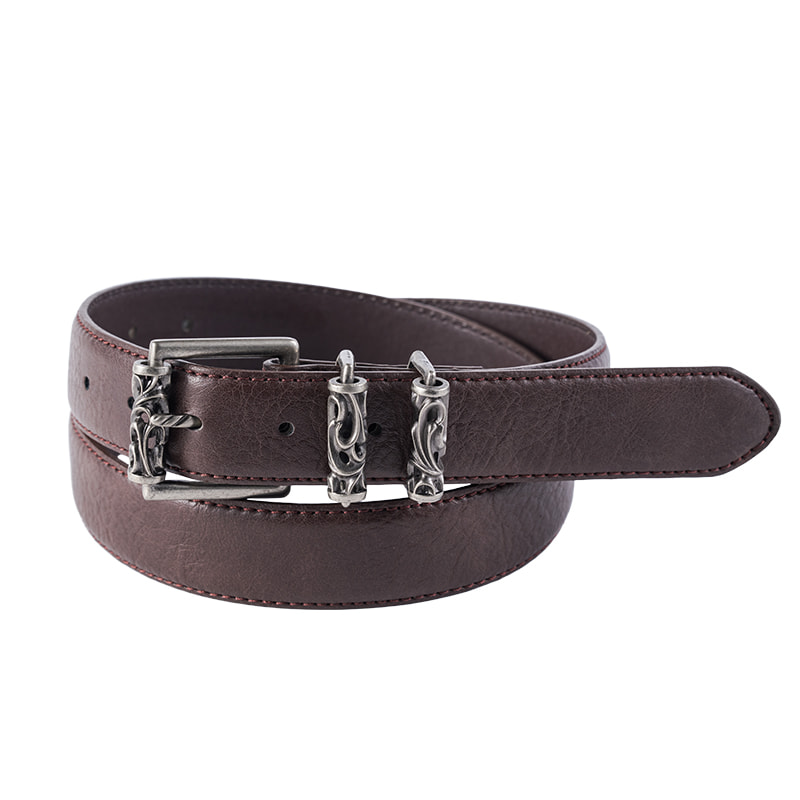
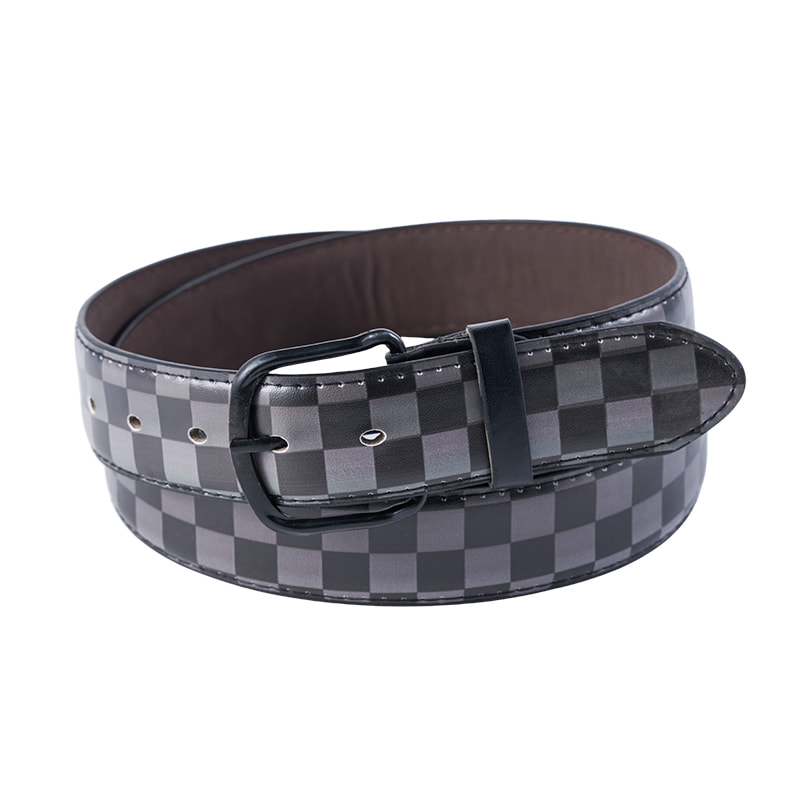
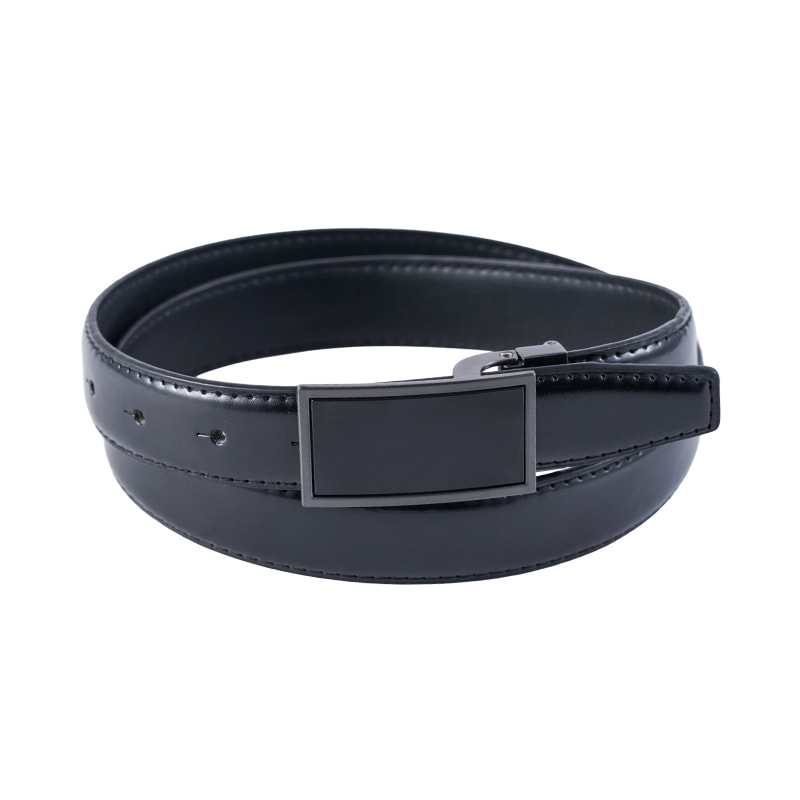
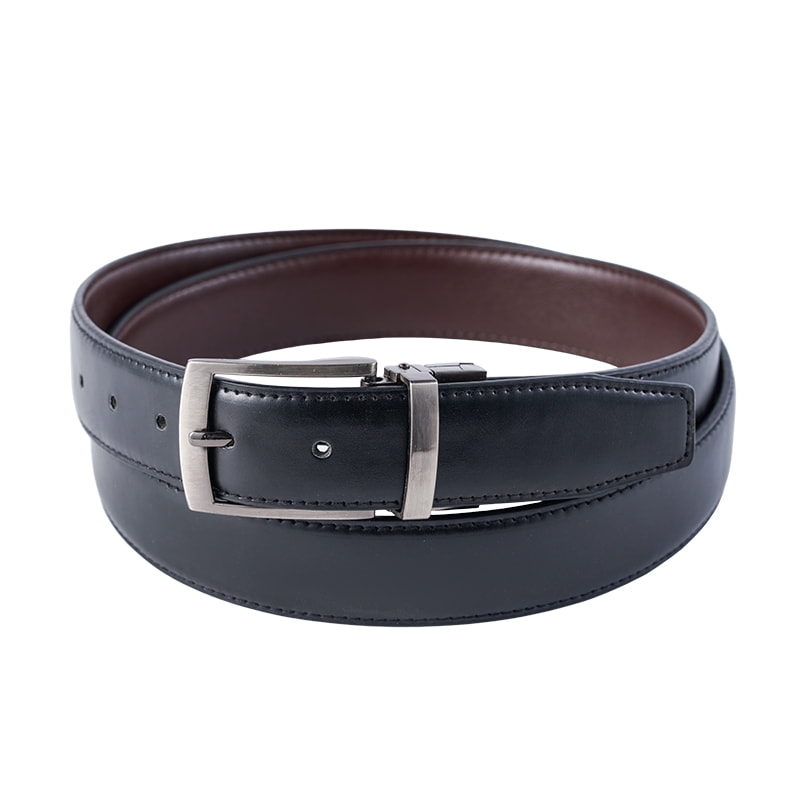
Fashion Belts Designed from Material, Function, and Market Use
Fashion belts might look like a small accessory on paper, but they end up carrying a surprisingly heavy load within apparel design. A belt has to hold garments securely, sit comfortably against the body, work with seasonal styling, meet material safety expectations, and still hold up to close inspection. For brands, retailers, and accessory developers, getting the belt category right involves more than picking a strap and a buckle—it means building a product that performs the same way from the first sample through to final delivery.
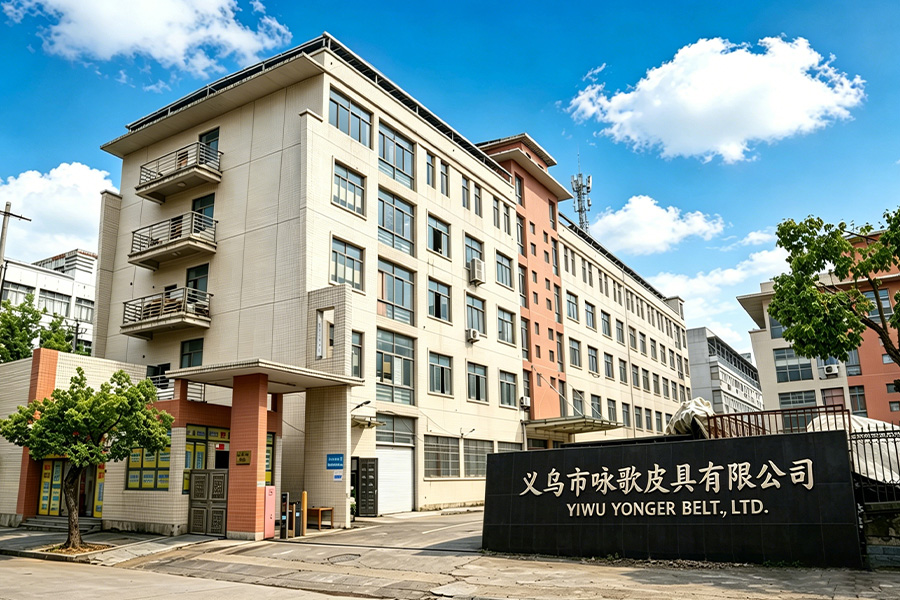
Yiwu Yonger Belt Co., Ltd. manufactures fashion belts across women's, men's, children's, casual, formal, and decorative styling categories. Eighteen-plus years in belt production has given our factory a practical grasp of how material behavior, buckle structure, edge finishing, stitching, and compliance requirements all feed into the finished product. What follows looks at fashion belts from that same manufacturing angle—what they actually are, how they get made, how customization works, and what's worth thinking through when developing a belt collection.
What Is a Fashion Belt?
A fashion belt serves as a wearable accessory that adjusts fit, defines the waistline, and shapes how an outfit reads visually. It can lean functional, purely decorative, or land somewhere between the two. Some belts exist to hold up trousers or jeans, while others are built specifically to style dresses, coats, skirts, uniforms, or pieces tied to a particular season.
A fashion belt, put together properly, usually breaks down into a few key components:
- Strap: the belt's main body, built from leather, PU, fabric, webbing, elastic, chain, or a mix of materials
- Buckle or closure: the fastening piece, made from alloy, steel, brass, plastic, covered material, or decorative hardware
- Adjustment system: holes, sliders, D-rings, automatic buckles, Velcro, elastic sections, or snap closures
- Finishing details: stitching, edge paint, embossing, printing, rivets, eyelets, weaving, charms, or logo marks
Evaluating a belt in manufacturing goes beyond how it photographs on a model or product page. It comes down to how it feels in hand, how smoothly the buckle operates, how stable the color stays, and how the strap holds up once it's been worn repeatedly.
Product Features That Matter in Belt Development
Building a belt collection that actually works starts with knowing exactly where each product sits. A women's decorative chain belt, a men's formal leather belt, and a child's elastic webbing belt call for entirely different materials, workmanship, and quality benchmarks—treating them the same rarely ends well.
Wearing Comfort
Comfort comes down to strap flexibility, weight, surface smoothness, buckle shape, and how the edges are finished. A strap that's too stiff won't sit well around the waist, and a buckle that's too heavy can end up dragging down lighter garments. Children's belts need extra care here—softer materials, rounded edges, and adjustment that stays simple.
Shape Retention
A belt needs to hold its intended shape through actual use, not just on the shelf. Men's belts typically need a firmer internal structure to resist bending or twisting over time. Women's slim belts can afford a softer hand feel, but still need enough internal stability to avoid deforming. Webbing belts, meanwhile, have to maintain tension without stretching out excessively.
Surface Durability
Materials age in their own ways. Genuine leather tends to develop a natural patina over time, while PU depends heavily on coating adhesion to avoid peeling. Fabric belts need solid color fastness and resistance to abrasion. Metal chain belts rely on plating quality to keep tarnishing, scratches, and rough spots from becoming a problem.
Functional Buckle Performance
A buckle's job is simple in theory—fasten smoothly, hold the strap securely—but getting there takes precision. Pin buckles need accurate hole spacing. Automatic buckles depend on smooth internal movement. D-ring and slider buckles have to grip webbing firmly without slipping. Decorative buckles walk a line between looking good and still functioning properly.
Consistent Appearance
Fashion accessories get looked at closely, so small details matter more than they might seem to. Straight stitching, clean edge paint, centered holes, even embossing, smooth hardware plating, and accurate color matching all shape how the finished belt actually reads in someone's hands.
Materials Commonly Used for Fashion Belts
Getting material choice right shapes nearly every other decision in belt development—cost, style direction, how long the product lasts, comfort levels, compliance requirements, and where it ultimately sits in the market.
Genuine Leather
Genuine leather tends to get picked for belts aiming at a premium look, thanks to its natural grain, inherent strength, and the way it holds up over years of wear. It works well across men's dress belts, women's refined styles, jeans belts, and classic accessory lines.
Finishes worth knowing include:
- Smooth leather
- Pebbled leather
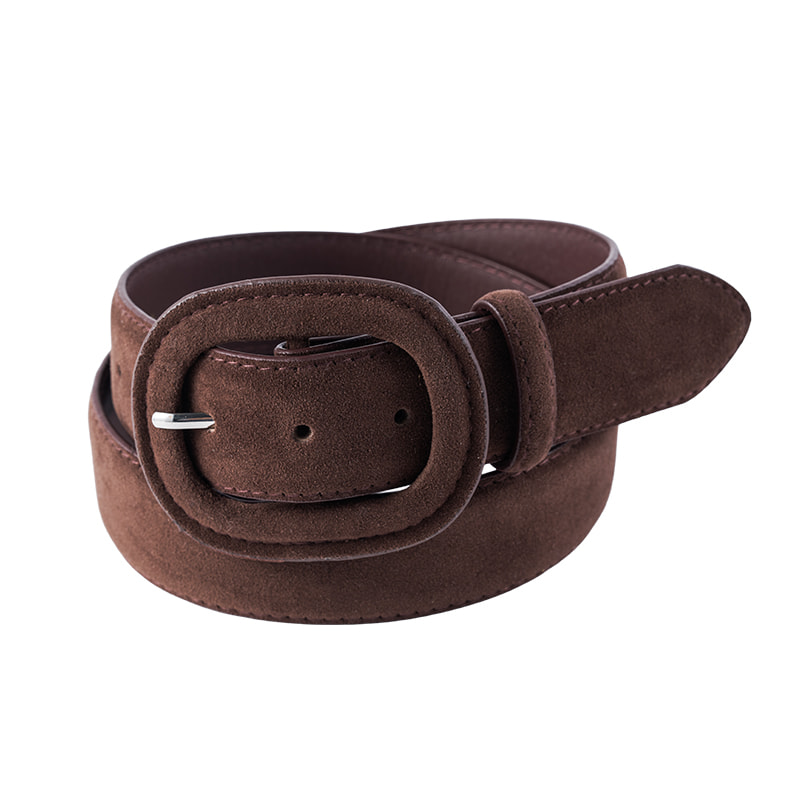
- Suede
- Embossed leather
- Waxed or vintage-effect leather
- Brushed surface leather
On the manufacturing side, thickness control, surface consistency, color fastness, edge finishing, and choosing the right leather backing all matter quite a bit.
PU and Synthetic Leather
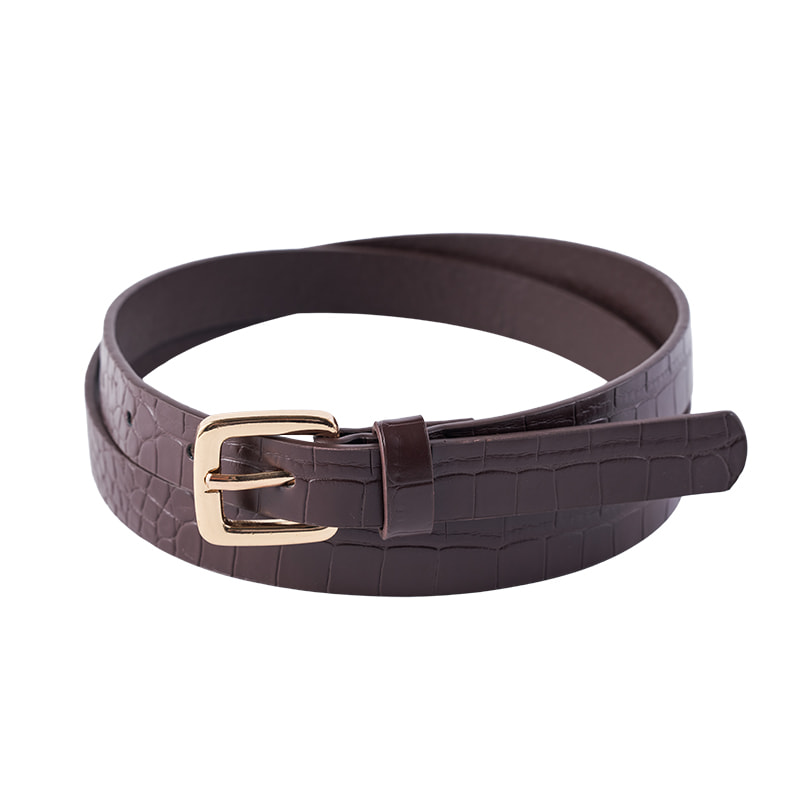
PU shows up frequently in fashion belts because it opens up flexible color options, a wide range of surface textures, and plenty of design variety. It can mimic smooth leather, crocodile grain, metallic effects, patent shine, matte finishes, or soft-touch surfaces depending on how it's processed.
This makes PU a good fit for trend-driven styles, vegan-friendly lines, bold seasonal colors, and decorative pieces. Quality here really comes down to coating strength, how stable the backing is, bonding performance, and whether it resists cracking or peeling over time.
Fabric and Canvas
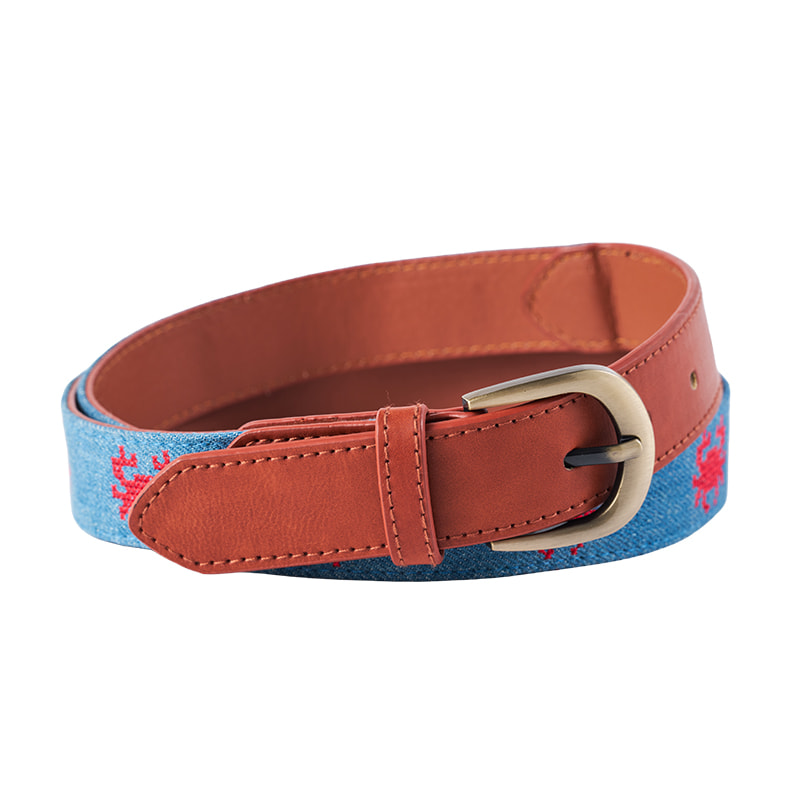
Fabric belts stay lightweight and casual, and they pair naturally with prints, embroidery, or woven patterns. Cotton canvas, polyester, linen blends, jacquard fabric, and printed textiles show up often in summer wear, children's accessories, resort collections, and relaxed casual apparel.
Working with fabric means paying close attention to fraying control, color fastness, stitching strength, and how securely hardware attaches.
PP Webbing
PP webbing brings practicality and durability to adjustable belt designs. It's a common choice for casual belts, children's belts, outdoor-style accessories, schoolwear, uniforms, and sporty pieces.
Its strengths lie in being lightweight, offering stable color options, staying flexible, and running efficiently through production.
Elastic
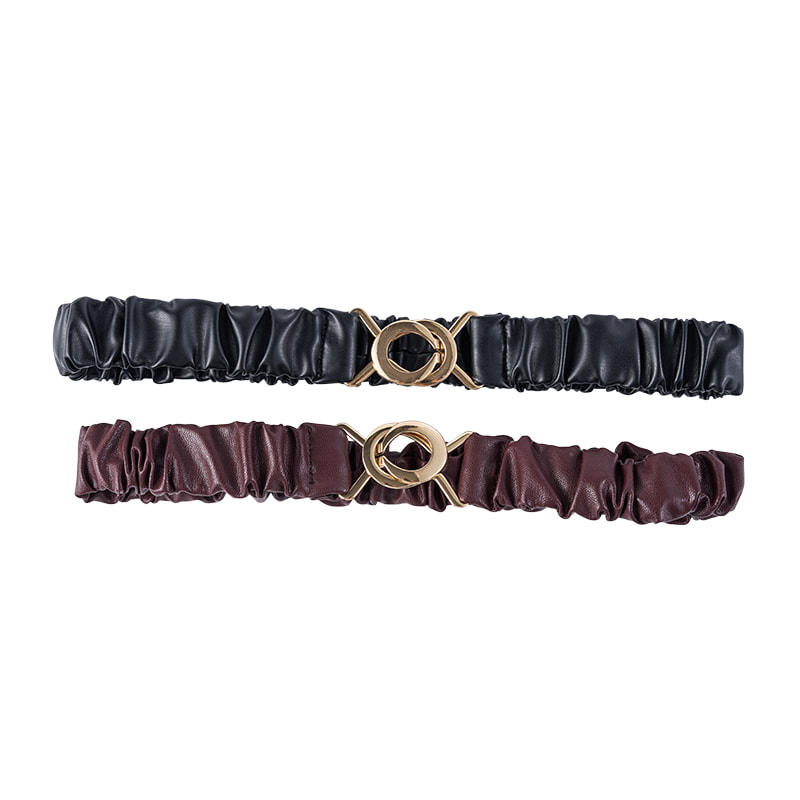
Elastic belts prioritize comfort and adjustability, making them popular for children's belts, maternity-friendly designs, stretch waist styles, and casual fashion pieces. Quality gets judged on recovery strength, how stable the stretch stays over time, and resistance to deformation.
Metal Chain
Chain belts function mainly as decorative pieces, showing up often on women's dresses, skirts, partywear, and statement fashion looks. They can incorporate alloy links, pearls, beads, charms, rhinestones, or combinations of different materials. Getting the plating smooth and the connection points secure matters more than it might seem at first glance.
Main Style Categories
Yonger's manufacturing lineup covers a broad mix of belt types, built to fit different apparel and accessory collections.
Women's Belts
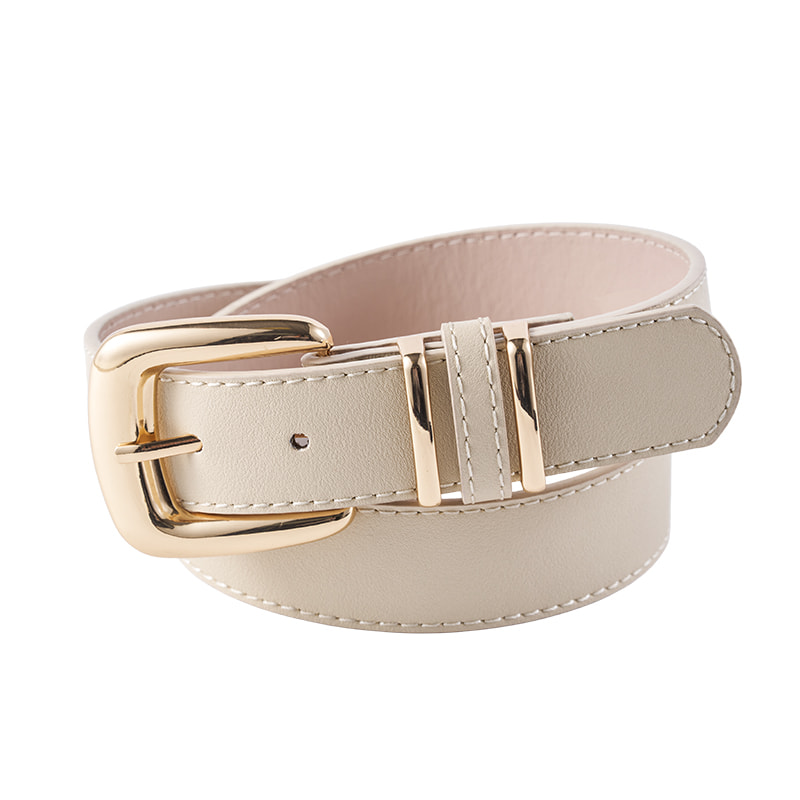
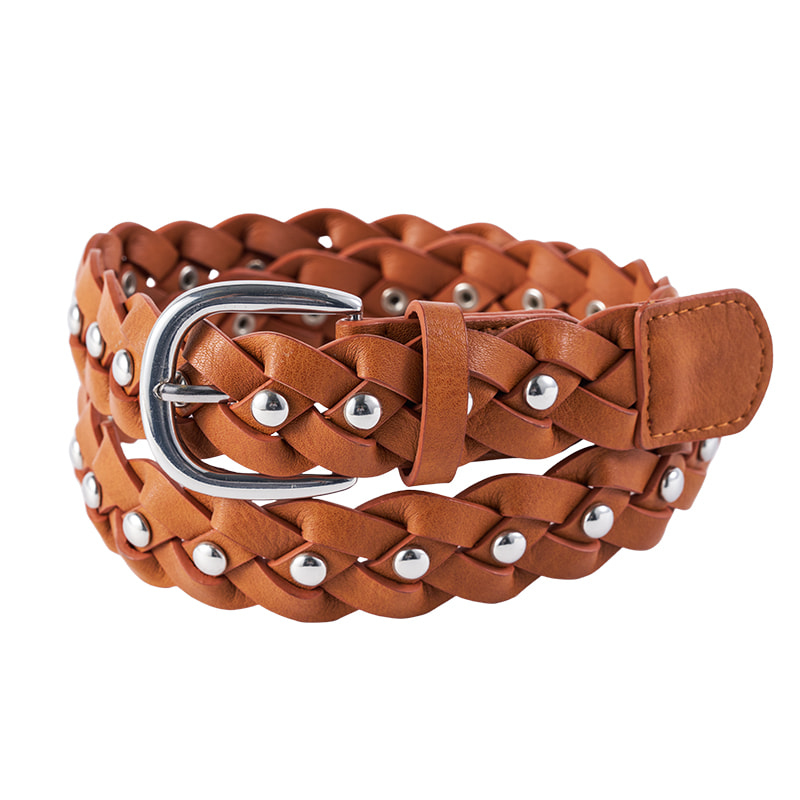
Women's belts tend to lean heavily on styling and silhouette. Slim belts, wide waist belts, chain belts, braided belts, reversible belts, elastic belts, corset-style belts, and decorative buckle belts all come up frequently as popular choices. Details that tend to draw attention include high-gloss metal buckles, vintage-style hardware, soft color palettes, embossed textures, and refined stitching work.
Men's Belts
Men's belts generally prioritize durability, practicality, and a clean overall look. Formal leather belts, casual jeans belts, woven belts, reversible belts, automatic buckle belts, and interchangeable strap systems make up the common styles. Black, brown, tan, navy, and dark grey continue to hold steady as go-to colors across men's collections.
Children's Belts
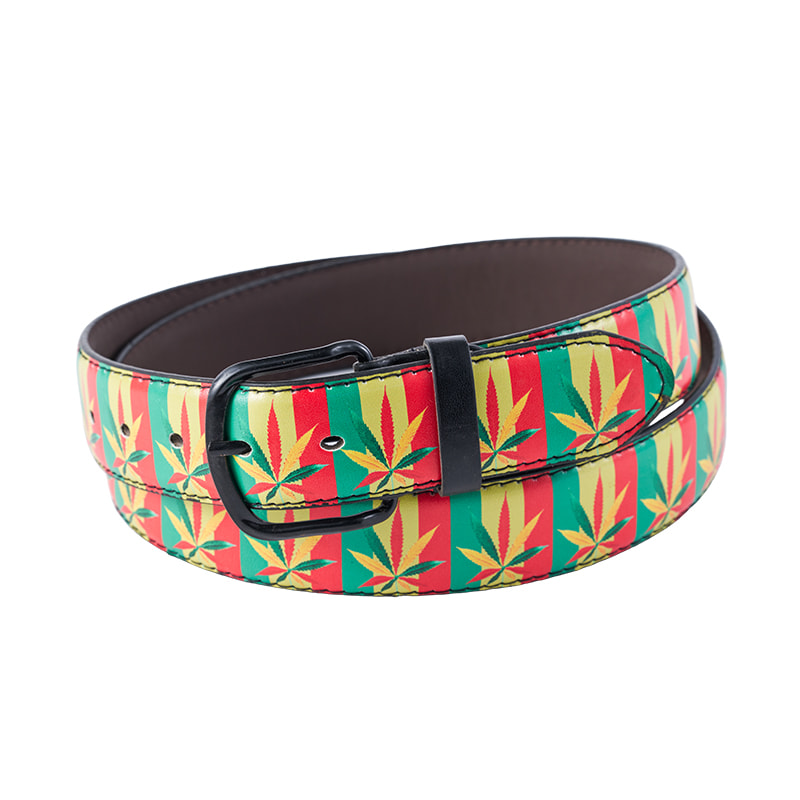
Children's belts demand a much sharper focus on safety and comfort. Lightweight webbing, elastic materials, Velcro closures, soft PU, smooth-edged buckles, cartoon prints, rainbow colors, and easy-adjust designs tend to work best here. Restricted substance control and mechanical safety need to stay front and center throughout development.
Webbing Belts
Webbing belts suit casual, sporty, school, travel, and outdoor-inspired styling. D-ring buckles, plastic buckles, slider buckles, and metal adjusters show up as the typical hardware choices.
Suspenders
Suspenders bring together elastic straps, clips, adjusters, and back patches into one piece. They find use in formalwear, uniforms, children's clothing, vintage-inspired looks, and functional apparel more broadly. Clip strength and how well the elastic recovers its shape stand out as the key quality checkpoints.
Chain Belts
Chain belts work as decorative accessories for dresses, skirts, trousers, and occasionwear. Depending on chain size, plating color, and added decorative elements, they can read as delicate and minimal or bold and eye-catching.
Application Scenarios
Belt design tends to follow the clothing it's paired with and the occasion it's meant for—those two factors shape almost every decision that follows.
Common applications span:
- Jeans, chinos, trousers, and casual pants
- Business attire and formal menswear
- Dresses, coats, skirts, and layered women's styling
- Children's clothing and schoolwear
- Resort wear and summer fashion
- Uniforms and practical apparel
- Partywear and decorative styling
- Gift-ready accessory collections
- Seasonal fashion ranges
Take jeans, for instance—they call for a sturdier strap body and hardware built to last. A summer dress, on the other hand, usually works better with something lightweight and a buckle that leans decorative. Children's belts sit in their own category entirely, where safety, easy adjustment, and soft contact surfaces take priority over almost everything else.
Customization and OEM Manufacturing Ability
Yonger takes on custom belt development shaped around style direction, target market, material preference, and any technical specs a brand brings to the table. Our factory works across a range of strap materials, buckle structures, surface treatments, and decorative processes to get there.
Customization runs across several areas:
- Strap material: genuine leather, PU, suede, canvas, polyester, PP webbing, elastic, chain, or mixed materials
- Strap dimensions: width, length, thickness, and end shape
- Buckle material: alloy, steel, brass, plastic, covered buckle, or custom metal hardware
- Buckle finish: shiny gold, silver, gunmetal, matte black, antique brass, brushed metal, enamel, or painted effect
- Closure type: pin buckle, automatic buckle, D-ring, O-ring, slider buckle, Velcro, snap button, or hook closure
- Surface design: embossing, printing, embroidery, weaving, punching, or logo marking
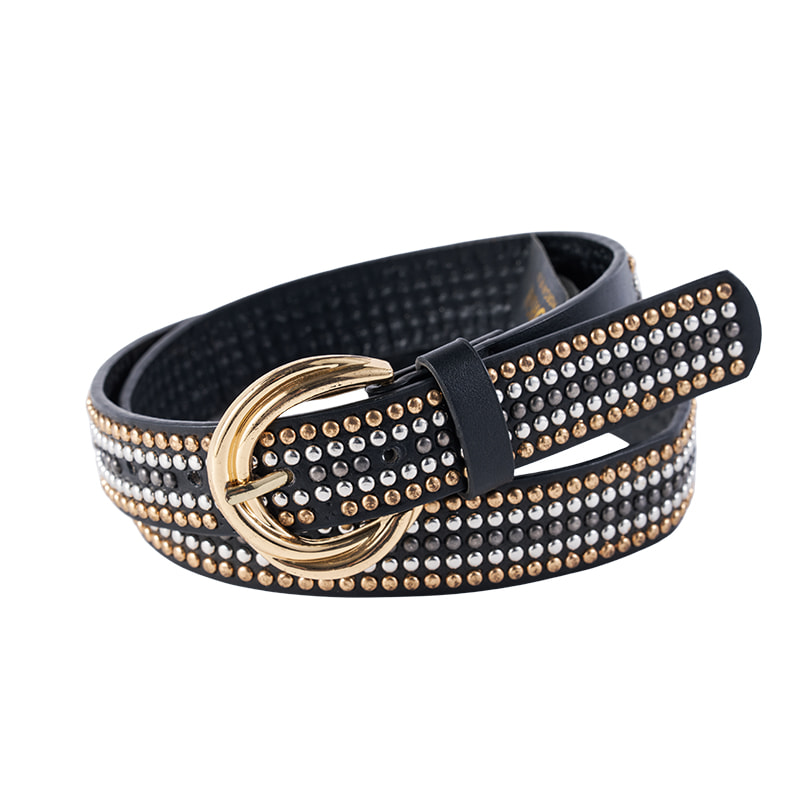
- Decorative elements: rivets, eyelets, studs, pearls, beads, charms, chains, and loops
- Edge finishing: painted edge, folded edge, stitched edge, sealed edge, or raw-look finish
- Packaging: built for retail display or brand-specific presentation
Development tends to go more smoothly when a brand comes prepared with reference images, preferred materials, color codes, strap width, buckle style, size range, packaging needs, and any testing standards required for wherever the product's headed.
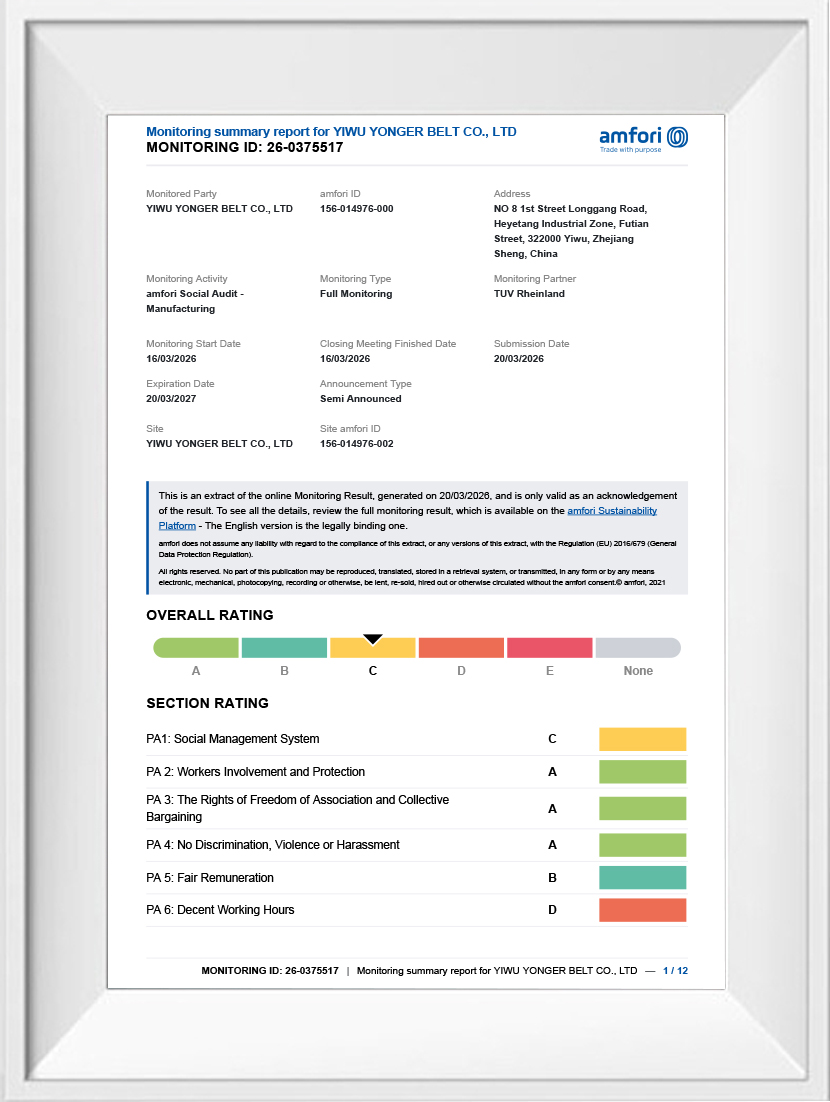
Quality and Compliance Considerations
A belt looks straightforward from the outside, but it's actually made up of several components that each need proper control along the way.
Material Testing Awareness
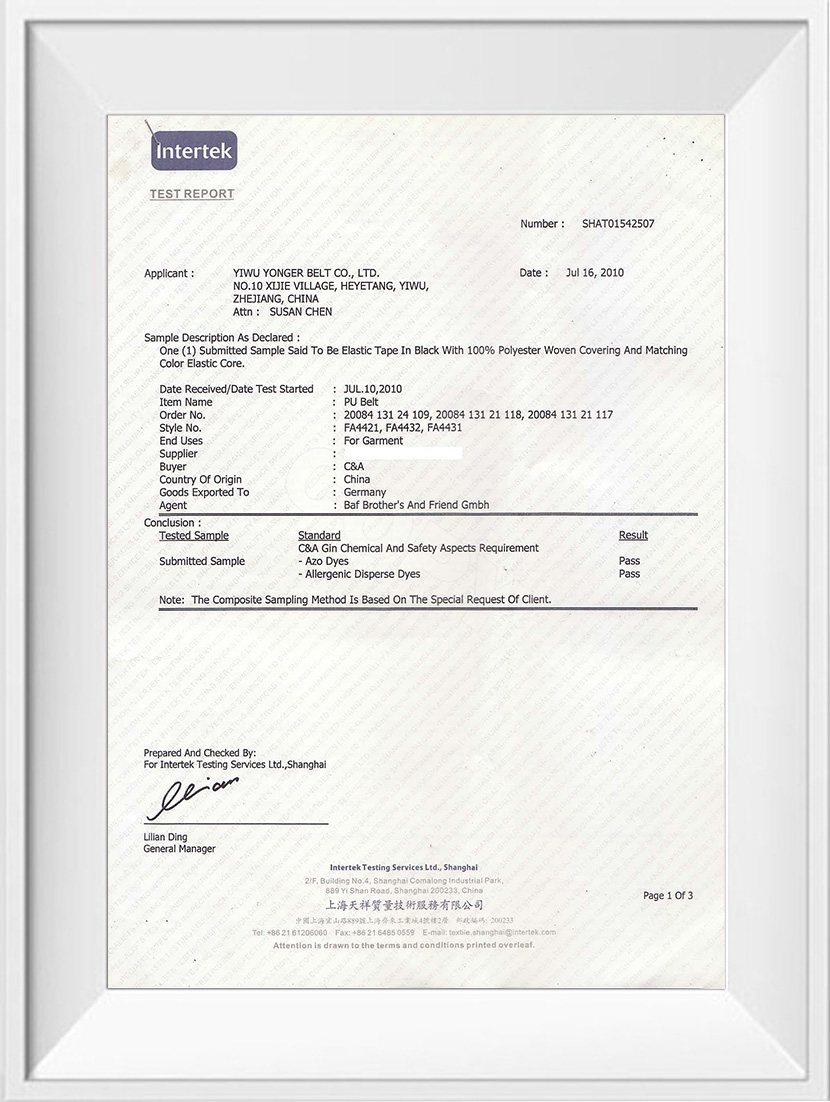
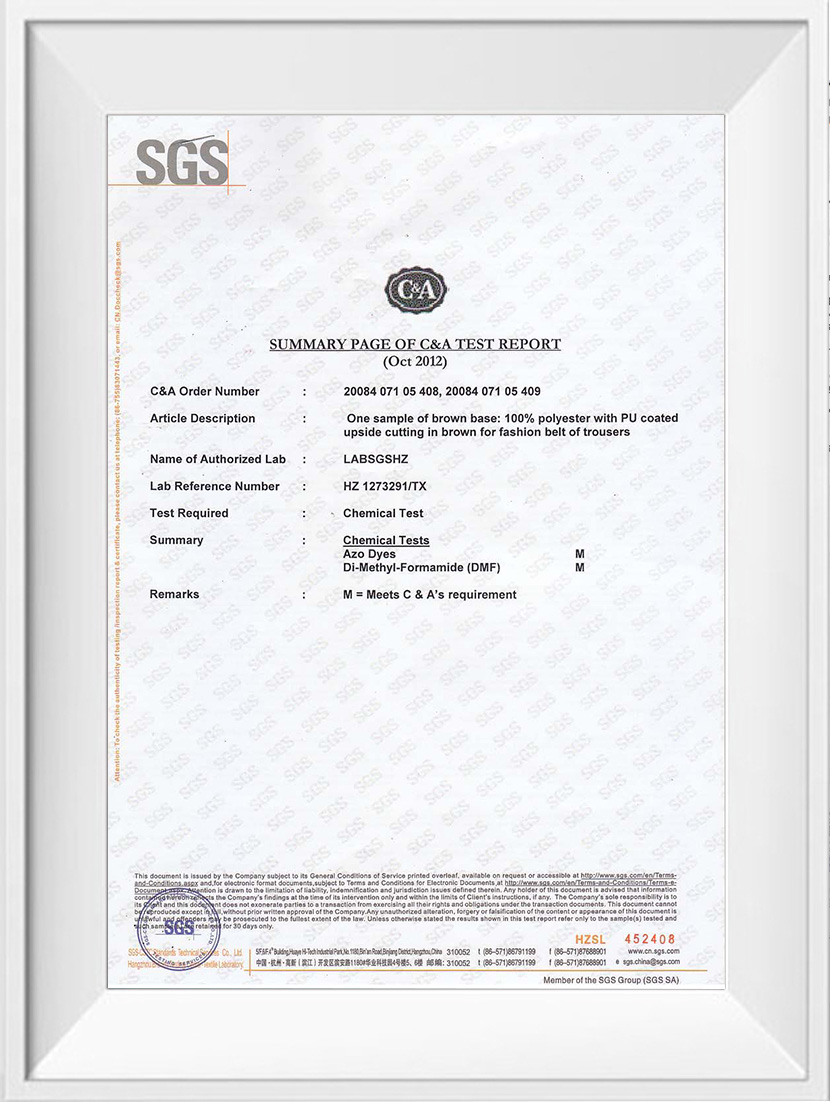
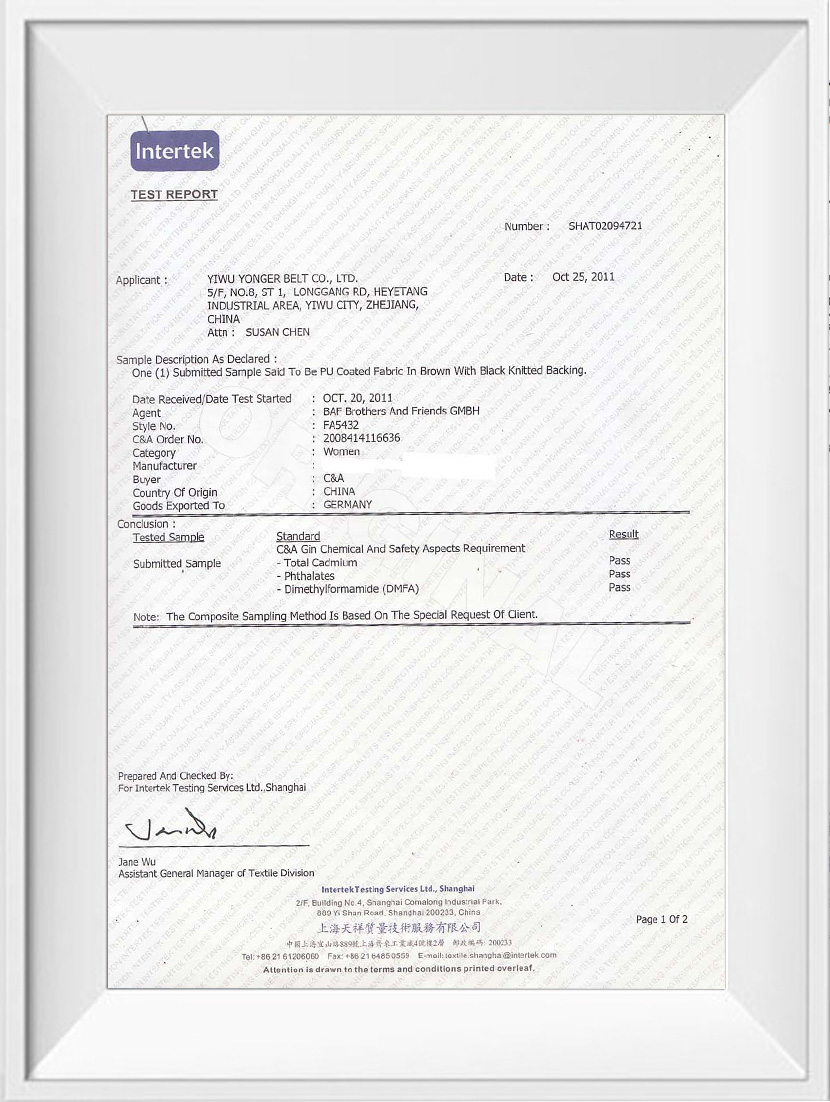
Leather, PU, textiles, coatings, adhesives, and dyes can all carry restricted substances depending on how they're processed. For European and North American markets, the usual concerns center on AZO dyes, nickel release, DMFa, cadmium, phthalates, disperse dyes, lead, and other regulated substances.
Hardware Safety
Metal buckles, rivets, clips, chains, and eyelets need checking for plating stability, sharp edges, corrosion resistance, and how securely they're attached. Children's belts call for extra scrutiny here, given the small-parts and injury risks involved.
Production Consistency
Color, texture, length, buckle finish, stitching, and packing all need to hold steady across a full production run—this becomes especially important when a single style spans multiple colors or size groups.
Final Inspection
Yonger keeps oversight running throughout production, with piece-by-piece checking before anything gets packed. Inspection typically covers appearance, length, buckle function, stitching, hole position, edge finishing, surface defects, hardware security, and packing accuracy.
Why Choose Yonger Manufacturer?
Yiwu Yonger Belt Co., Ltd. has spent more than 18 years focused specifically on belt manufacturing. Monthly output reaches up to 500,000 pieces, with annual capacity running past 6 million.
What sets our factory apart comes down to hands-on manufacturing control:
- Long-standing experience in fashion belt production
- Coverage across women's, men's, children's, webbing, suspender, and chain belt categories
- Supply chain support spanning leather, buckles, embroidery, printing, and related processing
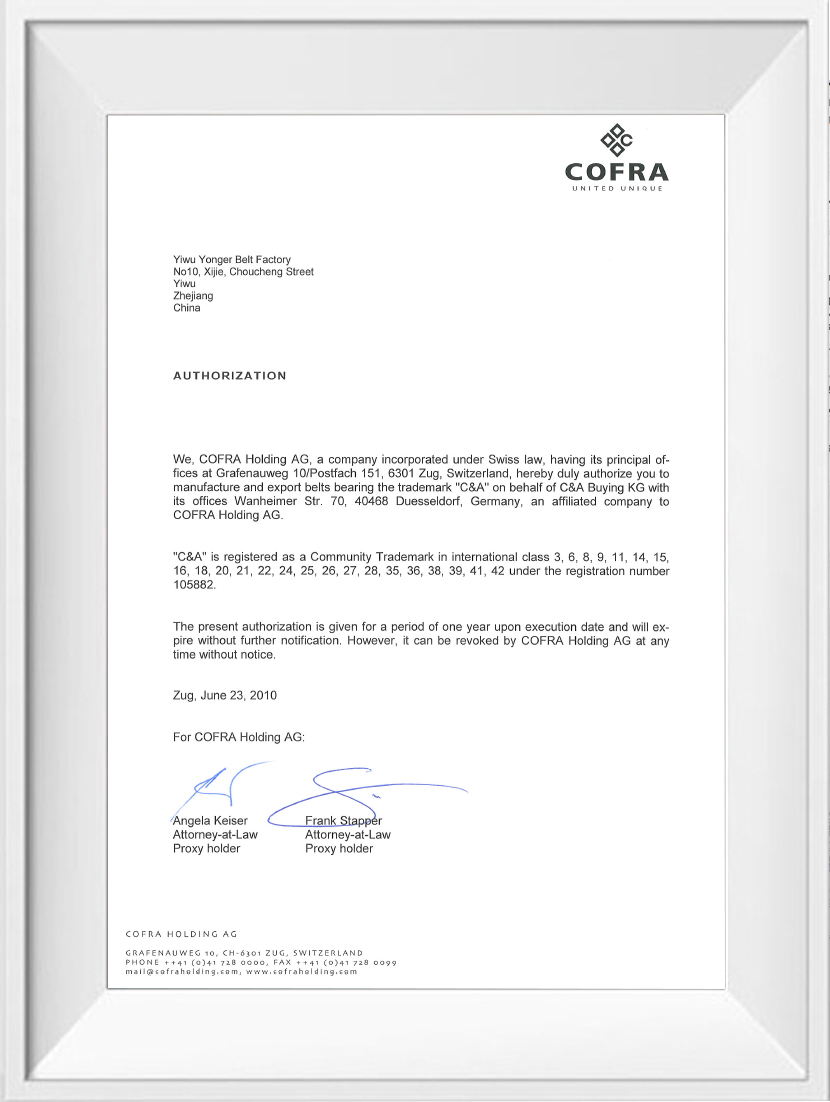
- Working familiarity with European compliance requirements
- Track record serving Western Europe, North America, and Japan
- A wide range of materials and craftsmanship options
- An inspection team monitoring production and handling final checks
- Convenient export logistics near Ningbo and Shanghai ports
Yonger's focus stays on producing belts that are stylish, wearable, compliant, and consistent in quality. Rather than stopping at an attractive sample, our production team tracks the repeatable details that keep finished products matching the approved design.
How to Purchase Fashion Belts from Yonger
The purchasing process generally moves through a few practical steps:
- Share a product idea, reference image, drawing, or existing sample.
- Confirm material, strap width, buckle type, color, size, and finishing details.
- Review compliance requirements for the target market.
- Develop a sample and adjust details as needed.
- Confirm the final sample, specification, and packaging method.
- Start production under quality control.
- Complete final inspection and prepare shipment documents.
Clear communication early on tends to cut down sampling time and helps the final product land closer to what was originally intended.
FAQ
1. What types of belts does Yonger manufacture?
Yonger manufactures women's belts, men's belts, children's belts, webbing belts, suspenders, chain belts, leather belts, PU belts, fabric belts, elastic belts, and decorative fashion belts.
2. What material is best for a durable belt?
Genuine leather is often preferred for long-term durability and premium texture. High-quality PU can also perform well when the coating, backing, and bonding are stable. Webbing is a strong option for casual and adjustable belts.
3. Can a belt be made with custom buckle designs?
Yes. Buckles can be developed in different shapes, sizes, materials, and finishes. Options include alloy, steel, brass, plastic, covered buckles, shiny plating, matte finishes, antique effects, enamel details, and logo elements.
4. What should be checked when developing children's belts?
Children's belts should be lightweight, easy to adjust, smooth to touch, and safe in structure. It is important to check restricted substances, sharp edges, small parts, buckle strength, and comfort during wearing.
5. Which belt styles are suitable for women's fashion collections?
Popular women's belt styles include slim waist belts, wide belts, reversible belts, chain belts, braided belts, elastic belts, decorative buckle belts, and belts with embossed or metallic finishes.
6. What information helps the factory make an accurate sample?
Useful information includes reference images, strap material, color, width, thickness, buckle type, size range, logo position, decoration details, packaging method, and required compliance standards.



 English
  русский
  Español
  Deutsch